Controller Integration: 5 Proven Hardware Choices for Reliable Automation
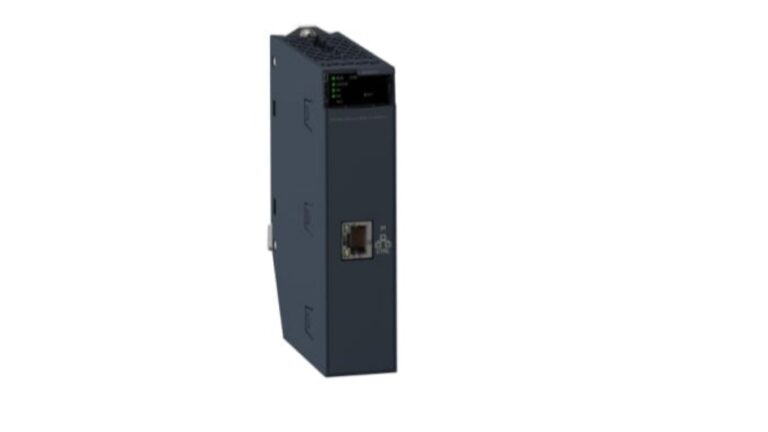
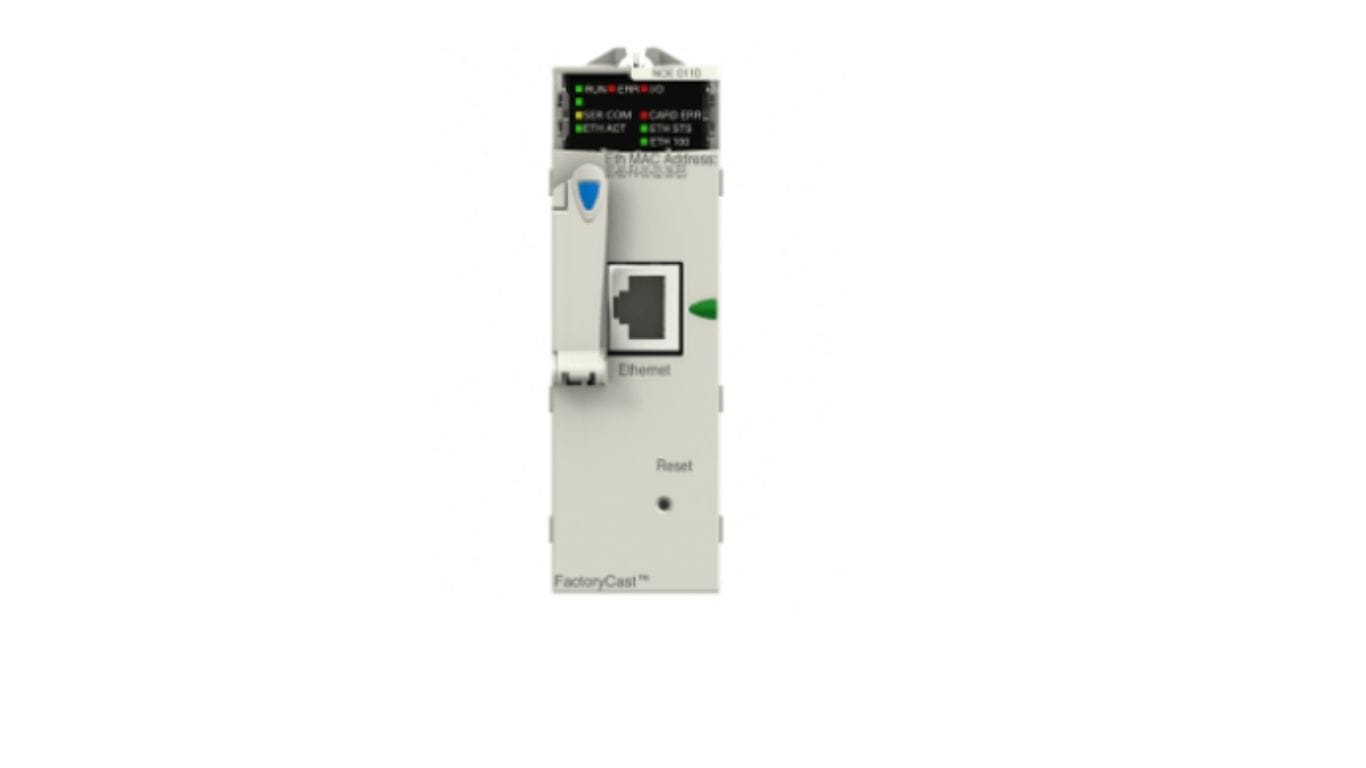
In modern industrial environments, selecting the right hardware for control systems is crucial. As automation grows more sophisticated, making sure controllers, communication modules, and I/O devices work seamlessly is key to performance, stability, and efficiency. Reliable hardware — such as the BMXNOE0110 Ethernet TCP/IP network module — improves integration, reduces downtime, and leaves room for future upgrades.
This article explains why hardware reliability matters for controller integration, the key factors when choosing components, how to evaluate compatibility, and practical steps for performance optimization.
Why Reliable Hardware Matters for Controller Integration
Automation systems rely on many components — communication modules, I/O interfaces, sensors, and controllers — that must all communicate correctly. When the wrong or incompatible hardware is chosen, the results include:
- Frequent communication errors
- System crashes or unpredictable behavior
- Increased maintenance requirements
- Higher long-term operational costs
Reliable hardware behaves predictably even under electrical noise, temperature swings, and vibration. Robust construction and a strong testing history reduce the risk of unexpected failures.
Understanding Controller Integration
Controller integration is the hardware’s ability to interface and communicate with the central processor of an automation system — usually a PLC or industrial computer. To integrate seamlessly, hardware must support the right communication protocols, deliver consistent data accuracy, offer low-latency transfer, and be electrically compatible with existing components. An Ethernet communication module, for example, must interface cleanly with the controller’s network port and share packets without loss.
5 Key Factors to Evaluate When Choosing Hardware
1. Electrical and Environmental Compatibility
Verify voltage ranges and power requirements, check isolation and I/O protection, and assess resistance to heat, humidity, and dust. Industrial-rated hardware withstands harsh conditions and lasts longer.
2. Communication Protocol Support
Controllers use standards like EtherNet/IP, Modbus TCP, and ProfiNet. Confirm the component supports the right protocols — and for real-time data exchange, choose high-speed options that improve responsiveness.
3. Scalability and Future-Proofing
Pick modular hardware with expandable I/O capacity so the system can grow without complete replacement.
4. Testing and Certification
Vendor testing and certifications build confidence. Look for electromagnetic compatibility (EMC) testing, shock and vibration testing, temperature and humidity cycling, and industrial safety certifications.
5. The Role of Communication Modules in Controller Integration
The communication module is one of the most important elements of controller integration, letting controllers exchange data with sensors, actuators, and supervisory systems. Modules supporting TCP/IP with robust error handling raise reliability significantly. Pair them with well-isolated analog input modules so measurement data isn’t corrupted by interference. Examples like the BMXNOE0110 Ethernet TCP/IP network module and the BMXART0814 analog isolated input module are foundational building blocks for reliable integration.
Installation and Configuration Best Practices
Even reliable hardware needs proper setup:
- Follow manufacturer guidelines: Use the supplier’s wiring diagrams, configuration notes, and power requirements — wiring mistakes are a common fault source.
- Use shielded cabling: Shielded, grounded cables preserve signal integrity, especially on high-speed Ethernet TCP/IP.
- Verify network integrity: Network analyzers and diagnostic software confirm links are clean and packet-loss-free.
- Keep firmware up to date: Run the latest stable firmware for bug fixes and security improvements.
Evaluating Performance Optimization
Once integrated, shift focus to optimization:
- Monitor real-time performance: Track data flow, response times, and error rates to find bottlenecks.
- Implement redundancy: In critical systems, redundant network paths or backup input modules keep operations running if a component fails.
- Maintain and test regularly: Periodic checks of connections, environment, and firmware prevent unscheduled downtime.
Comparing Hardware Options
| Model | Communication | Input Type | Isolation | Environment |
|---|---|---|---|---|
| BMXNOE0110 Ethernet TCP/IP | Ethernet TCP/IP, industrial nets | Comm module | Standard industrial | Control systems, factory networks |
| Competitor A Ethernet Interface | Ethernet TCP/IP & Modbus TCP | Network module | Enhanced isolation | Harsh environments |
| Competitor B Real-Time Adapter | High-speed Ethernet, protocol options | Comm module | High protection | High-demand automation |
| BMXART0814 Analog Isolated Input | N/A | Analog low-level | Galvanic isolated | Sensor data collection |
| Competitor C Multi-Channel Analog | N/A | Multi-channel analog | Industrial isolation | Process control |
| Competitor D Precision Analog | N/A | High-resolution analog | High isolation + filtering | Lab & industrial automation |
Final Thoughts
Reliable controller integration isn’t just about features — it’s about long-term stability, scalability, and minimal downtime. By prioritizing compatibility, environmental suitability, protocol support, and robust design, you build a system that runs efficiently and adapts to future needs. Well-chosen components like the BMXNOE0110 Ethernet TCP/IP network module and the BMXART0814 analog isolated input module form a solid foundation for seamless controller integration. Browse our communication and I/O modules to build a dependable system.
What is controller integration in industrial automation?
Controller integration is the process of connecting hardware — communication modules, I/O cards, sensors — so they interface and exchange data reliably with a PLC or industrial computer. Good integration means smooth data flow, low latency, and stable operation.
What should I check before choosing automation hardware?
Confirm electrical and environmental compatibility (voltage, isolation, temperature rating), the communication protocols it supports, its scalability, and whether it carries EMC, vibration, and safety certifications. These ensure it integrates cleanly and survives real-world conditions.
Why are communication modules so important?
They let the controller talk to sensors, actuators, and supervisory systems. A module with robust error handling and the right protocol support (like Ethernet TCP/IP) prevents communication faults that would otherwise cause crashes or data loss.
How do I keep an integrated system running reliably?
Follow manufacturer wiring guidelines, use shielded grounded cabling, keep firmware current, monitor real-time performance, and add redundancy for critical paths. Schedule regular maintenance to catch issues before they cause downtime.