Future Trends in Intelligent Power Management for Industrial Applications
Industrial facilities are rapidly evolving with the integration of advanced technologies and digital infrastructure. As energy demand grows and operational efficiency becomes a priority, intelligent power management systems are becoming essential for modern industries. These systems help organizations monitor, analyze, and optimize energy usage while maintaining safety, reliability, and sustainability. Solutions such as SCHNEIDER ELECTRIC NWBM85C002 are often referenced in discussions about advanced monitoring components that support efficient electrical infrastructure management.
In the coming years, intelligent power management will play a significant role in improving industrial productivity, reducing downtime, and supporting global sustainability goals. With the help of smart monitoring devices, automation, and data analytics, industries can achieve better control over their electrical networks, ensuring stable operations and more efficient energy utilization across complex industrial environments.
The Growing Importance of Intelligent Power Management
Energy management has always been a critical aspect of industrial operations. However, traditional power systems often lacked real-time monitoring and advanced analytics capabilities. Today, industries require systems that can detect anomalies, prevent failures, and provide actionable insights into power consumption patterns.
Intelligent power management solutions combine sensors, communication technologies, and data platforms to create a connected ecosystem. These solutions allow operators to track electrical parameters such as voltage, current, power factor, and energy consumption in real time. By using this data, facility managers can identify inefficiencies and optimize their energy usage.
Another important aspect is predictive maintenance. Instead of waiting for equipment failures, intelligent systems analyze trends and send alerts before problems occur. This proactive approach helps prevent costly downtime and ensures continuous operations.
Integration of Industrial IoT in Energy Systems
The Industrial Internet of Things (IIoT) is transforming the way industries manage their power infrastructure. Connected devices can communicate with centralized systems, providing continuous streams of operational data.
Through IIoT integration, intelligent power management platforms can analyze energy consumption patterns across different departments, production lines, and equipment. This data-driven approach allows companies to make informed decisions regarding energy optimization.
Additionally, cloud-based monitoring systems enable remote access to power data. Engineers and operators can view system performance, analyze reports, and troubleshoot issues from any location. This flexibility improves operational efficiency and simplifies maintenance procedures.
Real-Time Monitoring and Data Analytics
One of the most significant trends in intelligent power management is the use of advanced data analytics. Real-time monitoring systems collect massive amounts of electrical data and transform it into meaningful insights.
Data analytics platforms can identify irregular patterns in voltage fluctuations, current overloads, or abnormal energy consumption. With automated reporting tools, facility managers can quickly understand where energy losses occur and take corrective actions.
Real-time monitoring also supports compliance with regulatory standards and energy efficiency goals. Many industries must follow strict guidelines regarding energy consumption and environmental impact. Intelligent monitoring systems provide the necessary transparency and documentation for compliance audits.
Automation and Smart Grid Compatibility
Automation is another key trend shaping the future of industrial power management. Automated systems can adjust electrical loads, optimize power distribution, and respond instantly to system abnormalities.
Smart grids are becoming more common in industrial environments. These advanced networks allow two-way communication between power systems and monitoring devices. When integrated with intelligent management platforms, smart grids can balance loads, detect faults, and restore power automatically.
Automation also improves operational safety. In the event of a fault or abnormal condition, automated systems can isolate affected sections of the electrical network and prevent further damage.
Sustainability and Energy Efficiency
Sustainability is a major driving force behind the adoption of intelligent power management technologies. Industrial sectors are under increasing pressure to reduce carbon emissions and improve energy efficiency.
By implementing advanced monitoring systems, industries can track energy usage in detail and identify opportunities for energy savings. Optimizing power consumption not only reduces environmental impact but also lowers operational costs.
Renewable energy integration is another emerging trend. Many facilities are incorporating solar, wind, or hybrid energy sources into their power infrastructure. Intelligent power management platforms help coordinate these energy sources with traditional grid supply to maintain stable operations.
Cybersecurity in Connected Power Systems
As power management systems become more connected, cybersecurity is becoming a critical concern. Industrial energy networks now rely on digital communication protocols, cloud platforms, and remote monitoring tools.
To protect sensitive operational data, modern systems include encryption, authentication mechanisms, and secure network architectures. Organizations must implement strong cybersecurity practices to ensure the reliability and safety of their power infrastructure.
Regular software updates, secure communication channels, and strict access control policies help protect industrial energy systems from potential cyber threats.
Workforce Training and Digital Skills
Another important trend is the growing need for skilled professionals who can manage advanced energy systems. Intelligent power management requires knowledge of data analytics, automation technologies, and electrical engineering principles.
Industries are investing in workforce training programs to ensure their teams can effectively operate and maintain these sophisticated systems. Skilled technicians can analyze energy data, respond to system alerts, and implement optimization strategies that improve overall performance.
Continuous learning and digital skill development will be essential as power management technologies continue to evolve.
Common Alerts, Alarms, and Errors of Product XYZ
| Alert / Alarm | Possible Cause | Recommended Action |
| Communication Failure | Network connection issue or configuration error | Check communication cables and system settings |
| Overvoltage Alarm | Voltage level exceeds safe operating limit | Inspect incoming power supply and stabilize voltage |
| Undervoltage Warning | Insufficient voltage supply | Verify power source and load conditions |
| Current Overload | Excessive load connected to the system | Reduce load or upgrade system capacity |
| Temperature Alert | Device operating beyond safe temperature range | Improve ventilation or cooling |
| Data Logging Error | Storage or memory issue | Reset logging system or clear storage |
| Phase Imbalance | Uneven load distribution across phases | Balance electrical loads across phases |
| Sensor Fault | Malfunctioning measurement sensor | Replace or recalibrate sensor |
| Power Factor Warning | Poor power factor in electrical network | Install correction equipment |
| System Restart Alert | Unexpected system reboot | Check firmware and power stability |
The Role of Advanced Monitoring Modules
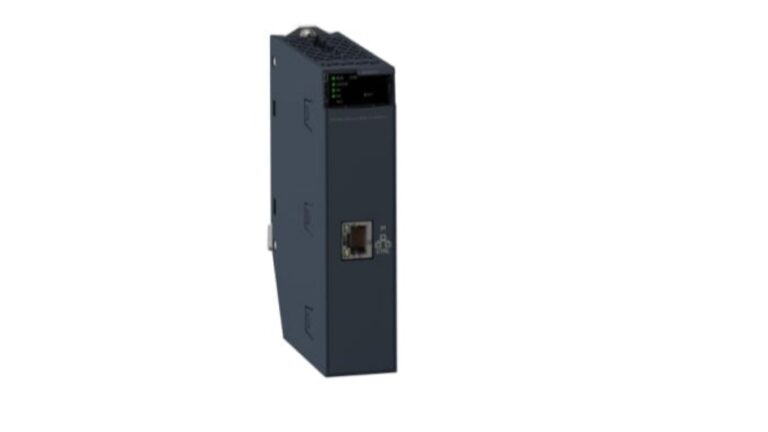
Modern industrial power systems often require additional monitoring and communication modules to expand functionality. These modules allow operators to collect detailed electrical data, monitor system conditions, and integrate with larger energy management platforms. One example frequently referenced in technical discussions is SCHNEIDER ELECTRIC NWBM85C002, which is commonly associated with advanced monitoring capabilities in electrical systems and demonstrates how modular technologies support intelligent power management.
As industrial infrastructures continue to modernize, integrating modular components becomes essential for scalable and flexible energy management solutions.
The Future of Intelligent Power Monitoring Technologies
Looking ahead, intelligent power management will continue to evolve with innovations in artificial intelligence, machine learning, and predictive analytics. These technologies will enable systems to automatically identify inefficiencies, forecast energy demand, and optimize power distribution across complex industrial environments.
Advanced monitoring devices such as METSEPM89M2600 PowerLogic PM8000 – I/O Module represent the type of technology that supports these developments by enabling detailed data collection and system integration. With enhanced monitoring capabilities, industries can build smarter, safer, and more efficient electrical infrastructures that support long