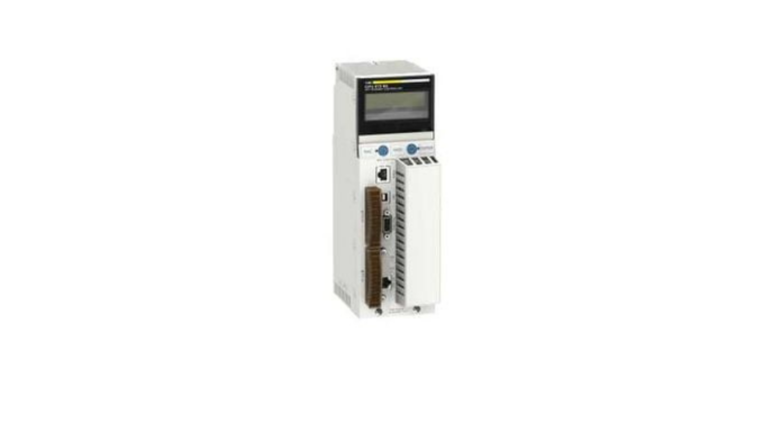
A Comprehensive Overview of the High-Performance Modicon Quantum CPU Module
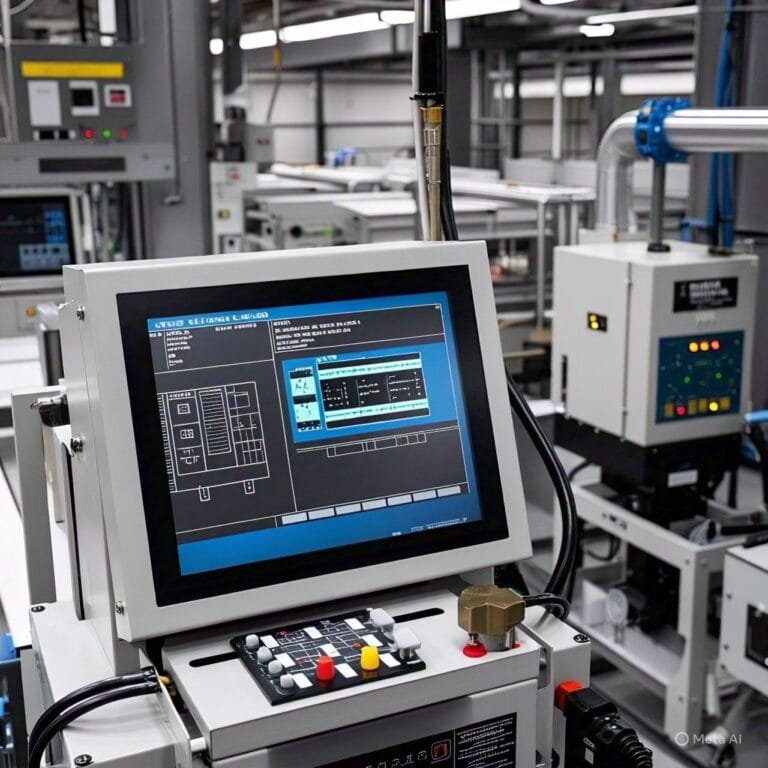
Modern industrial systems demand powerful, reliable, and highly flexible processing units to manage complex automation tasks. A high-performance CPU module designed for modular industrial controllers plays a central role in ensuring speed, accuracy, and stability throughout the entire automation environment. This article provides an in-depth look at the structure, capabilities, applications, and advantages of such a CPU module—without referencing any specific brand name—while maintaining focus on performance, reliability, and integration features.
Introduction to High-Performance Industrial CPU Modules
Industrial CPU modules form the decision-making core of process automation. These modules coordinate input and output signals, manage communication protocols, execute control logic, and ensure smooth interaction between various automation components. High-performance CPU units are engineered for demanding environments where fast cycle times, precise data handling, and long-term reliability are essential.
Such modules are commonly used in manufacturing, processing plants, power systems, and large-scale industrial facilities where system downtime cannot be tolerated.
Core Features of an Advanced CPU Module
Embedded Processing Power
A powerful CPU module offers fast execution speed, allowing rapid response to real-time industrial signals. This performance is essential for complex control tasks such as motion control, continuous process regulation, and high-speed data acquisition.
Modular Architecture
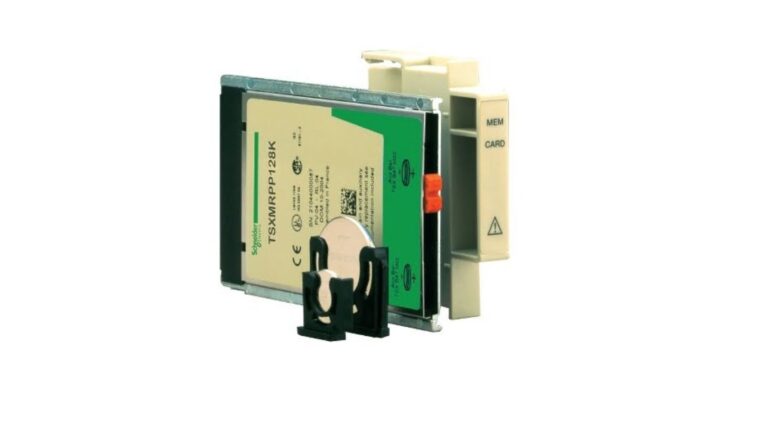
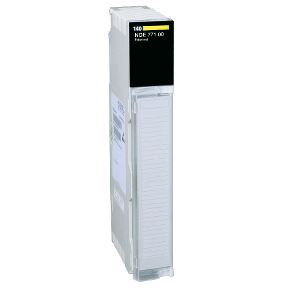
The modular nature of these CPU units allows easy integration with various components such as communication cards, input/output modules, memory extensions, and power supplies. This modularity ensures that systems can scale or adapt as requirements grow.
Real-Time Execution
One of the key characteristics of a high-performance industrial CPU module is its ability to execute logic in real time. Fast scan cycles support time-sensitive processes, helping maintain precision in manufacturing, material handling, and process automation.
High Data Throughput
Modern systems require handling large amounts of data from sensors, actuators, and communication networks. A high-performance CPU module ensures:
- Fast data processing
- Seamless communication
- Efficient resource allocation
These capabilities allow operators to monitor and control processes with increased accuracy.
Multiple Industrial Protocols
Advanced CPU modules are built to support a wide range of industrial communication protocols. These may include serial communication, Ethernet-based industrial networks, and fieldbus systems. Multi-protocol compatibility enables smooth connection with diverse equipment across the facility.
Integrated Ports and Expansion Options
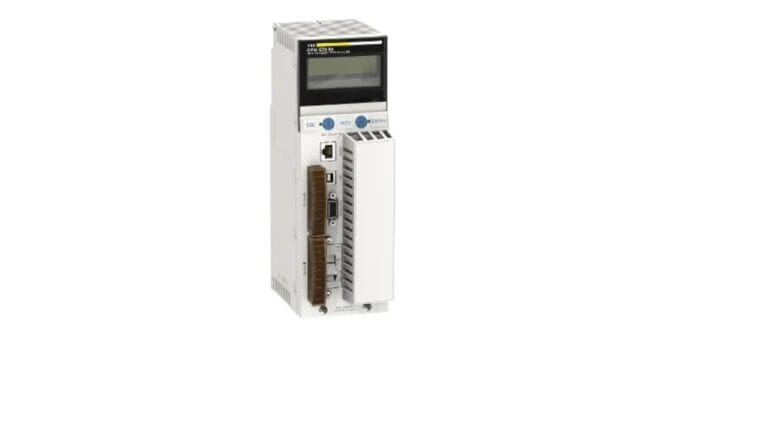
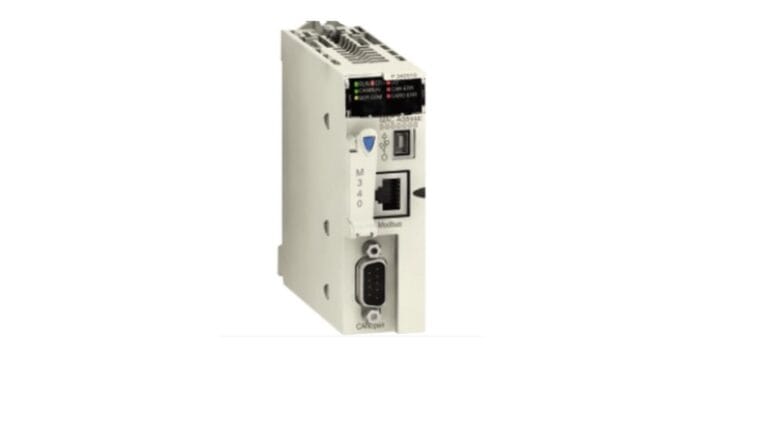
A typical high-performance CPU unit includes:
- Ethernet ports for SCADA and HMI communication
- Serial ports for legacy system integration
- Expansion slots for additional communication cards
Such flexibility ensures smooth connectivity with both new and existing automation systems.
Programming and Configuration Flexibility
Support for Multiple Programming Languages
CPU modules used in industrial automation typically support several programming languages such as:
- Ladder logic
- Function block diagrams
- Structured text
- Sequential function charts
This flexibility allows engineers to develop control programs using the most suitable method for the application.
User-Friendly Configuration Tools
Modern CPU units come with intuitive software environments that provide:
- Program editing
- Diagnostics
- Simulation tools
- Real-time monitoring
These tools reduce programming complexity and improve overall system management.
Benefits of Using a High-Performance Industrial CPU Module
Increased Efficiency
By processing instructions rapidly and reliably, these CPU modules enable industrial systems to operate more efficiently with minimal delays.
Scalability for Future Growth
The modular design ensures that additional modules, memory, or communication interfaces can be added as system requirements evolve.
Conclusion
A high-performance industrial CPU module serves as the backbone of modern automation systems. Its powerful processing capabilities, flexible communication options, robust design, and scalable architecture make it suitable for a wide range of industrial applications. Whether used in manufacturing, processing, or energy management, such a controller module ensures precision, reliability, and long-term operational efficiency.
If you would like a 1500–2000 word version, need specific keywords added, or want this article rewritten for SEO, technical documentation, or marketing style, just let me know!