A Deep Dive Into High-Reliability Industrial Output Technology
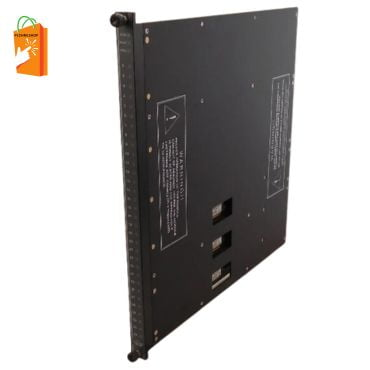
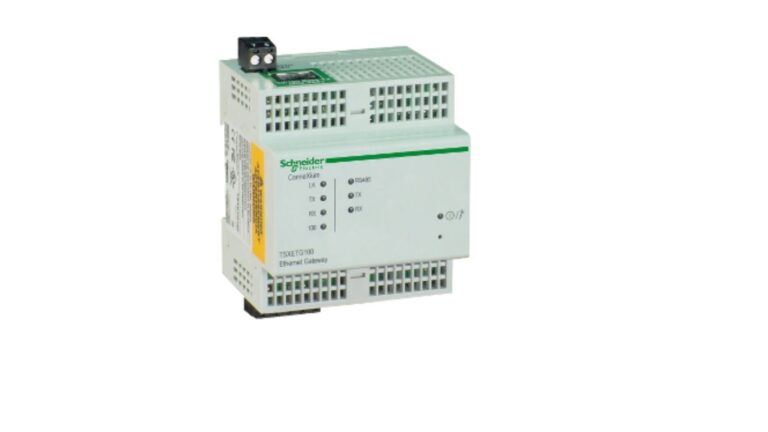
High-reliability output technology plays a crucial role in modern automation systems, ensuring accurate signal transmission and robust control performance across demanding industrial environments. Whether integrating advanced components such as TRICONEX OUTPUT MODULE 3636R or communication solutions like the BMXNOE0110H Ethernet TCP/IP network module, Modicon M340, industries rely on these tools to maintain dependable operations. Understanding how these output technologies function, and why they matter, is essential for engineers, technicians, and system designers aiming to optimize system performance and safety.
Understanding High-Reliability Output Technology
High-reliability output systems are engineered to handle complex industrial tasks with precision and durability. These modules frequently operate in environments where equipment failure is not an option—such as energy production, chemical processing, manufacturing, and critical infrastructure. Their primary role is to convert controller signals into actionable outputs that drive field devices, often with redundancy, diagnostic capabilities, and strong electromagnetic resilience.
Why Reliability Matters in Industrial Output Systems
Industrial facilities depend heavily on continuous and accurate signal delivery. If an output module experiences a fault, the entire process may slow down, shut down, or enter a safety risk zone. This is why reliability is emphasized in every stage of design and deployment. A resilient output system ensures:
- Stable control actions for actuators, solenoids, and valves
- Reduced downtime due to fault detection and diagnostics
- Improved safety and system integrity
- Extended equipment life through consistent performance
These benefits translate directly into operational efficiency and reduced maintenance costs.
Key Elements of High-Reliability Output Hardware
To provide dependable performance, advanced output systems incorporate multiple critical features.
Redundant Internal Architecture
Many high-reliability output components incorporate internal redundancy. This means the device contains backup circuits ready to activate if a fault occurs. This architecture helps maintain output integrity even under adverse conditions.
Intelligent Self-Diagnostics
Modern industrial systems feature self-monitoring capabilities that track:
- Load integrity
- Temperature fluctuations
- Signal inconsistencies
- Voltage and current stability
These diagnostics allow maintenance teams to pinpoint issues long before they escalate into system failures.
Fail-Safe Performance
Fail-safe mechanisms ensure that if an output module fails, it does so in a predictable and safe way. This is vital in environments where improper actuation could cause equipment damage or safety incidents.
Integration of Output Systems With Modern Industrial Networks
Output technologies rarely function alone. They must seamlessly integrate with controllers, communication modules, and network systems.
Role of Communication Modules in Output Reliability
Modern industrial operations increasingly rely on Ethernet-based communication, and modules such as TCP/IP interfaces enhance data exchange between control systems and field equipment. These modules ensure that output commands are transmitted accurately, quickly, and securely.
High-reliability output performance is only as strong as the communication layer supporting it. Consistent data flow, low latency, and accurate synchronization are essential for ensuring output stability.
Scalability and Flexibility for Industrial Demands
As industries evolve, their automation systems must scale accordingly. Output technologies designed for high reliability often support flexible I/O configurations, allowing easy expansion or reconfiguration as processes grow or shift.
Applications Across Industrial Sectors
Various industries depend on high-reliability output technology to ensure smooth and safe operations.
Process Automation
In continuous processes involving temperature, pressure, flow, and chemical reactions, precise output control ensures process accuracy and safety. Output modules manage actuators and valves, helping maintain optimal process conditions.
Manufacturing and Robotics
Automated machinery and robotics depend on quick and reliable output signals for motion control, sequencing, and tool engagement. High-reliability output systems minimize production errors and downtime.
Energy and Infrastructure Operations
Power generation, water distribution, and transportation systems require dependable output technology to maintain critical operations. Fail-safe performance and redundancy are especially important in these settings.
Design Considerations for Implementing High-Reliability Output Systems
When integrating high-reliability output hardware, designers must consider several factors.
Environmental Conditions
Industrial environments expose electronics to:
- Dust
- Vibration
- Moisture
- Temperature extremes
High-reliability output systems are built to withstand these challenges, but proper placement and enclosure design enhance longevity.
Signal Type and Load Requirements
Different field devices require different signal levels and types. Proper matching of outputs to loads ensures compatibility and efficiency.
Network Compatibility
Ensuring that output modules integrate smoothly with existing communication frameworks is crucial for maintaining performance. This is particularly important when using Ethernet-enabled modules.
Future Trends in High-Reliability Output Technology
Emerging technologies are redefining how output systems are designed and utilized.
Smart Output Modules
Next-generation output components incorporate machine learning algorithms, advanced diagnostics, and predictive maintenance capabilities. These improvements reduce maintenance effort and improve system responsiveness.
Increased Cybersecurity Measures
As industrial systems become more connected, cybersecurity becomes essential. Future output modules will include stronger protection against unauthorized access or malicious interference.
Integration with IIoT (Industrial Internet of Things)
IoT-enabled output systems transmit real-time data to cloud platforms, enabling remote monitoring, analytics, and optimization across entire facilities.
Conclusion
High-reliability industrial output technology serves as the backbone of modern automation systems, ensuring consistent, safe, and accurate control across a wide range of industries. With equipment such as the TRICONEX OUTPUT MODULE 3636R and networking tools like the BMXNOE0110H Ethernet TCP/IP network module, Modicon M340, facilities gain robust performance, intelligent diagnostics, and seamless communication capabilities. As industries continue evolving toward smarter and more connected operations, the demand for advanced, durable output systems will only grow, making their selection and implementation vital for long-term success.