A Powerful Industrial Workstation Built for Demanding Environments
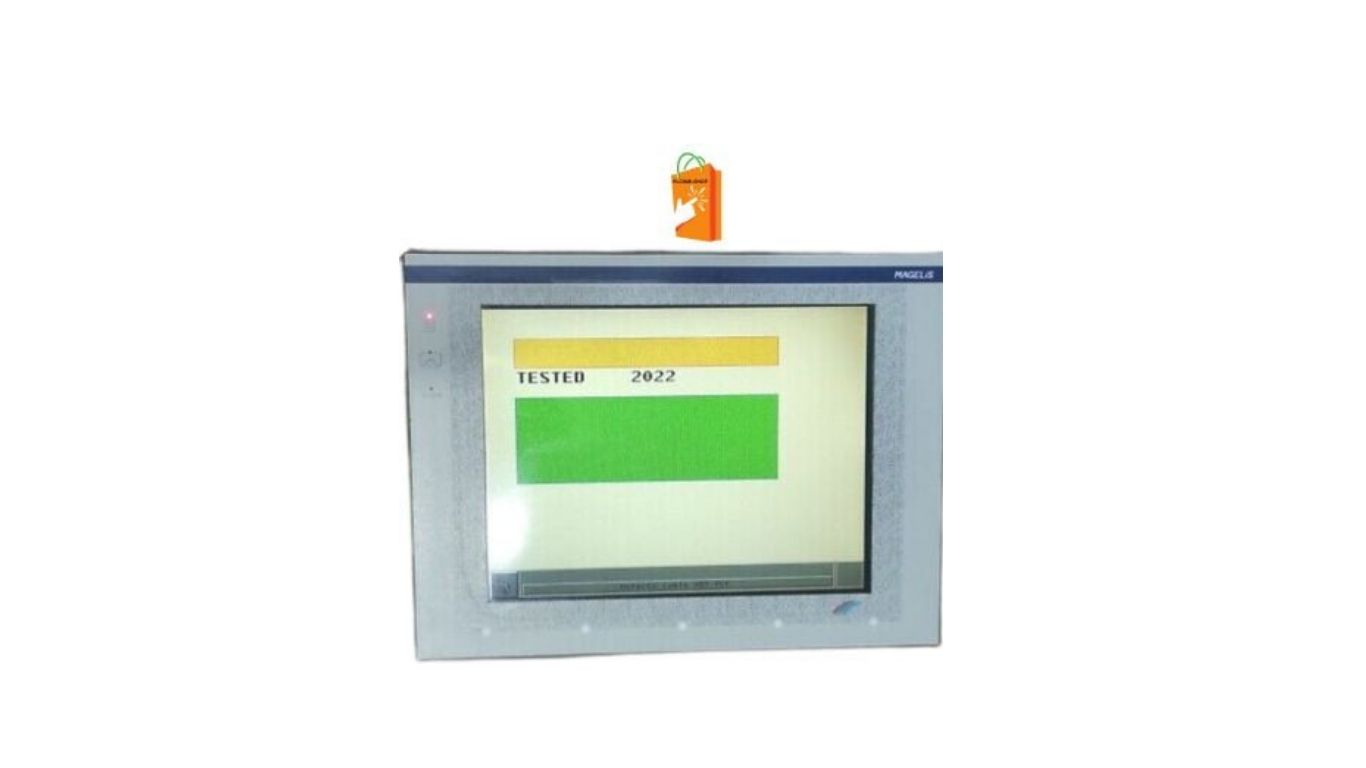
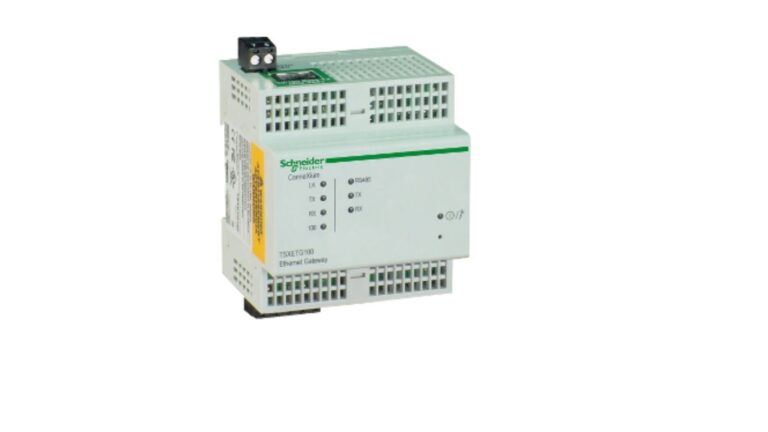
In today’s fast-paced industrial landscape, solutions like ALLEN BRADLEY 6180W12BPXPHDC, XBTF034310 Schneider Electric are often referenced when professionals search for reliable, high-performance computing platforms that can withstand harsh conditions and deliver uninterrupted control across complex operations.
The Rise of Rugged Industrial Workstations
Industrial workstations are no longer simple computers placed on a factory floor. They have evolved into highly specialized platforms designed to operate in environments where dust, vibration, temperature extremes, moisture, and electromagnetic interference are everyday challenges. These systems must process data in real time, interface with multiple control systems, and provide operators with a clear, responsive visual interface.
Unlike consumer-grade machines, an industrial workstation is built to last for years in continuous operation. This longevity is critical in facilities where downtime translates directly into lost productivity and revenue. A powerful industrial workstation provides not only computational strength but also stability, reliability, and adaptability to changing industrial requirements.
Why Demanding Environments Require Specialized Systems
Factories, processing plants, and automated warehouses are filled with hazards that would quickly degrade standard hardware. Extreme temperatures can cause electronic components to fail, while airborne particles and vibration can lead to connection issues or physical damage. Humidity and liquids pose an additional threat, especially in food processing or chemical production.
A workstation designed for these environments must include sealed enclosures, shock-resistant mounting, and thermal management systems that keep internal components within safe operating ranges. These design choices ensure that the system remains functional and accurate even when exposed to conditions that would cripple conventional equipment.
Core Capabilities of a High-Performance Industrial Workstation
Processing Power and Stability
At the heart of any industrial workstation is its processing capability. Modern industrial applications require significant computing power to handle real-time analytics, automation logic, and visualization tasks. Whether managing machine vision, robotics, or complex production workflows, the workstation must be able to process large volumes of data without lag.
Stability is just as important as speed. Industrial operations cannot tolerate random crashes or slowdowns. A powerful workstation is engineered to run continuously for long periods, maintaining consistent performance without overheating or memory errors.
Visual Interfaces for Operators
A clear and responsive display is essential for monitoring and controlling industrial processes. Operators rely on visual dashboards to understand machine status, production rates, and system alerts. High-resolution touchscreens and ruggedized displays allow users to interact with the system even when wearing gloves or working in dusty environments.
This visual clarity reduces the risk of human error and improves reaction time when something goes wrong. The better the interface, the safer and more efficient the operation becomes.
Integration with Industrial Systems
One of the greatest strengths of an industrial workstation is its ability to integrate seamlessly with a wide range of industrial devices. From programmable controllers and sensors to cameras and barcode scanners, the workstation acts as a central hub that collects, processes, and distributes information.
This integration enables real-time decision-making. For example, if a sensor detects an abnormal temperature, the workstation can trigger an alarm, adjust machine parameters, or even shut down a process to prevent damage. Such responsiveness is critical in environments where safety and precision are paramount.
Built for Long-Term Reliability
Hardware Designed for Longevity
Industrial workstations are not replaced every few years like office computers. They are designed for long service lives, often a decade or more. Components are selected for durability, and systems are tested to withstand extreme operating conditions.
This long-term reliability reduces total cost of ownership. While the initial investment may be higher, fewer replacements, less downtime, and lower maintenance requirements make these systems more economical over time.
Software Compatibility and Support
In addition to hardware durability, software compatibility is crucial. Industrial environments often rely on specialized applications that must remain functional for many years. A powerful workstation supports long-term operating system stability and backward compatibility, ensuring that critical software continues to run smoothly even as technology evolves.
Enhancing Productivity Through Automation
Automation is at the core of modern manufacturing, and industrial workstations play a central role in making it possible. By connecting machines, monitoring production, and analyzing data, these systems enable factories to operate with greater efficiency and precision.
A powerful workstation can identify bottlenecks, predict maintenance needs, and optimize workflows. This leads to higher output, reduced waste, and improved product quality. In competitive industries, these advantages can make the difference between success and failure.
Safety and Compliance in Industrial Settings
Safety is a top priority in any industrial environment. Workstations contribute to safety by providing real-time monitoring and alerts that help prevent accidents. If a machine begins to operate outside safe parameters, the system can notify operators immediately or take corrective action automatically.
Additionally, many industries must comply with strict regulations regarding data logging, traceability, and process control. An industrial workstation ensures that all relevant data is recorded accurately and securely, making audits and compliance reporting far easier.
Scalability for Growing Operations
As businesses grow, their technology must grow with them. A powerful industrial workstation is designed with scalability in mind. Additional inputs, outputs, and software modules can be added as production lines expand or new processes are introduced.
This flexibility allows companies to adapt quickly to market changes without needing to overhaul their entire control infrastructure. The workstation becomes a long-term platform that supports both current operations and future innovation.
The Human Factor: Improving Operator Experience
While automation is important, human operators remain a vital part of industrial operations. A well-designed workstation improves their experience by providing intuitive controls, clear feedback, and fast response times. When operators can easily understand what is happening and take action quickly, errors are reduced and confidence increases.
Better ergonomics and usability also reduce fatigue, which is especially important in facilities that run around the clock. A powerful industrial workstation supports not only machines but also the people who work alongside them.
Conclusion
In a world where reliability and performance are essential, references such as ALLEN BRADLEY 6180W12BPXPHDC, XBTF034310, and Schneider Electric highlight the type of rugged, high-performance solutions that professionals seek when building or upgrading industrial control systems designed to thrive in the most demanding environments.