Achieving Nonstop Operations with Advanced Control System Failover Design Principles
Industrial operations today demand continuous availability. Downtime is no longer a minor inconvenience—it can result in safety risks, production losses, and reputational damage. To meet these challenges, engineers rely on advanced control system failover design principles that ensure uninterrupted operations even when individual components fail. This article explores how redundancy, intelligent failover, and modern visualization interfaces work together to achieve nonstop industrial performance.
The Importance of Nonstop Operations in Industrial Environments
Continuous operation is essential in sectors such as manufacturing, energy, water treatment, and transportation. These environments often run 24/7, and any interruption can have cascading effects across supply chains and critical services.
Failover design principles focus on maintaining control and visibility under all conditions. Instead of reacting to failures, systems are proactively designed to tolerate them. This philosophy shifts reliability from being a goal to being a built-in feature.
Core Principles of Control System Failover Design
Eliminating Single Points of Failure
A fundamental rule of failover design is the elimination of single points of failure. Any component—whether a controller, communication link, or power supply—can fail. Systems must be architected so that no single failure can stop operations entirely.
Redundant hardware paths, parallel communication networks, and backup processing units form the backbone of this approach. When one path fails, another immediately takes over without disrupting the process.
Seamless Transition Between Active and Backup Systems
Failover is only effective if transitions are smooth. A poorly designed switchover can be as disruptive as a failure itself. Advanced systems are designed to synchronize data continuously, ensuring that backup components are always ready to assume control.
Technologies such as hot standby architectures allow a secondary system to mirror the primary one in real time. This ensures that state, memory, and process variables remain consistent during a switchover.
Hot Standby Architectures and Their Role
Understanding Hot Standby Operation
Hot standby configurations involve two or more control units operating simultaneously, with one active and the other monitoring in the background. The standby unit constantly checks the health of the primary system.
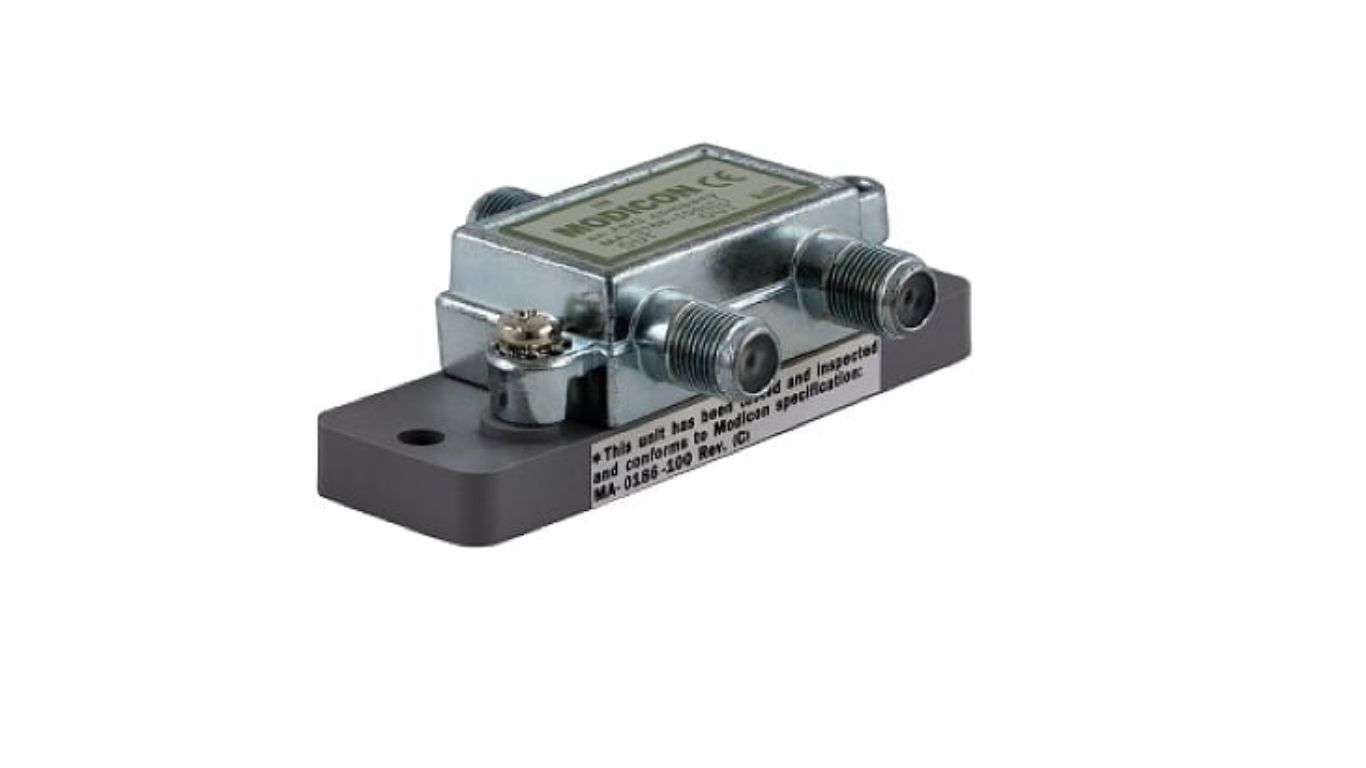
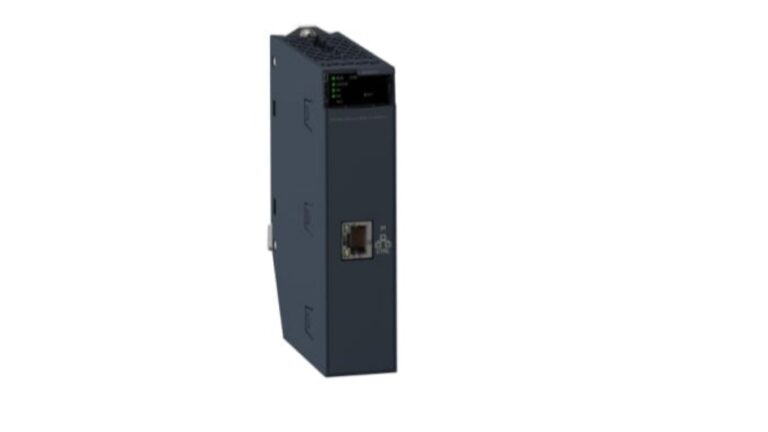
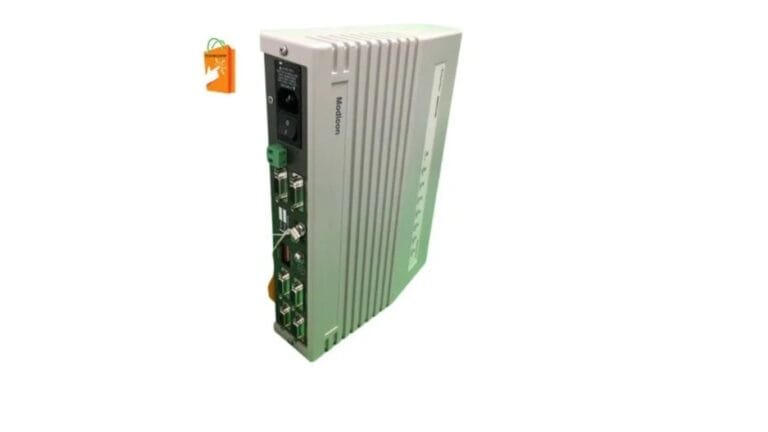
When a fault is detected, control is transferred automatically. Components like the 140CHS32000 – Modicon Quantum – Hot Standby splitter kit are commonly referenced in discussions about how synchronized communication paths enable this rapid transition. Such devices conceptually illustrate how signal distribution and monitoring support uninterrupted control logic execution.
Benefits of Hot Standby Failover
- Zero or near-zero downtime during failures
- Reduced risk of data inconsistency
- Improved system confidence and operator trust
Hot standby designs are particularly valuable in safety-critical processes where even milliseconds of downtime matter.
Communication Redundancy and Data Integrity
Designing Redundant Communication Paths
Communication networks are often more vulnerable than processing units. Cable damage, electromagnetic interference, or switch failures can interrupt data flow. Redundant network paths ensure that messages can always reach their destination.
Failover design includes dual communication channels that operate simultaneously or remain on standby. Intelligent switching mechanisms automatically reroute traffic when faults are detected.
Maintaining Synchronization Across Systems
Synchronization ensures that all system components share the same operational context. Time stamping, deterministic data exchange, and real-time diagnostics help maintain consistency between active and standby systems.
Without synchronization, failover could result in incorrect outputs or unsafe states, undermining the entire redundancy strategy.
Visualization and Operator Awareness in Failover Systems
The Role of Advanced Human-Machine Interfaces
Failover systems are not only about hardware and logic—they also depend on human awareness. Operators must understand system status instantly to make informed decisions.
Modern interfaces, such as the HMIDT952 Harmony GTU Touchscreen display 18.5 inch, represent the type of visualization tools used to present system health, alarms, and redundancy status clearly. Large, high-resolution displays improve situational awareness and reduce response time during abnormal conditions.
Designing Displays for Failover Scenarios
Effective displays prioritize clarity over complexity. During failover events, operators should immediately see:
- Which system is active
- Why a switchover occurred
- Whether redundancy is fully restored
Clear visual cues, alarm prioritization, and intuitive layouts are essential elements of failover-aware interface design.
Testing and Validation of Failover Designs
Simulating Failure Conditions
A failover design is only as strong as its testing process. Simulated failures—such as power loss, network interruption, or processor faults—validate whether the system behaves as intended.
Regular testing ensures that standby components remain functional and that automatic switching logic has not been compromised by configuration changes.
Continuous Monitoring and Maintenance
Failover systems require ongoing attention. Diagnostics, health monitoring, and predictive maintenance tools help identify weaknesses before they result in failure.
By analyzing trends such as communication latency or component temperature, engineers can address potential issues proactively.
Building a Culture of Reliability
Achieving nonstop operations is not solely a technical challenge—it is also an organizational one. Reliability-focused design principles must be supported by proper documentation, operator training, and lifecycle planning.
When teams understand the purpose and behavior of failover systems, they are better equipped to trust automation and respond effectively when anomalies occur.
Conclusion
Advanced control system failover design principles are essential for achieving nonstop industrial operations. By eliminating single points of failure, implementing hot standby architectures, ensuring communication redundancy, and enhancing operator awareness through effective visualization, organizations can significantly reduce downtime risk.
References to technologies like the 140CHS32000 – Modicon Quantum – Hot Standby splitter kit and the HMIDT952 Harmony GTU Touchscreen display 18.5 inch highlight how synchronized control and clear human-machine interaction support these goals. Ultimately, nonstop operation is achieved through thoughtful design, rigorous testing, and a commitment to reliability at every level of the system.