Common Installation Mistakes to Avoid with Industrial Motor Controllers
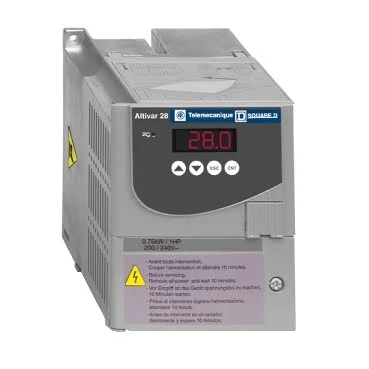
Industrial automation systems rely heavily on reliable motor control equipment to keep production lines running efficiently. When a controller such as an ATV28HU29N4 – adjustable speed drive is installed incorrectly, it can lead to downtime, reduced efficiency, and costly repairs. Proper installation practices are essential not only for performance but also for safety and long-term reliability.
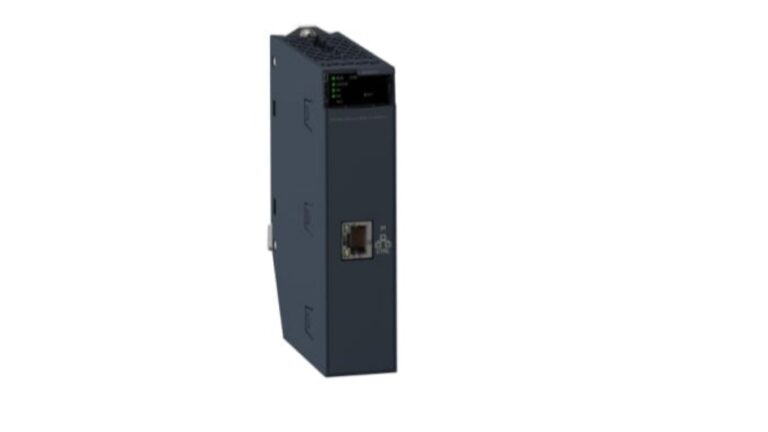
Motor controllers regulate the speed, torque, and direction of electric motors used in pumps, conveyors, compressors, and manufacturing machines. When integrated with automation components such as SCHNEIDER ELECTRIC TSXMFPP002M, they become part of a broader control architecture that manages industrial processes. However, even high-quality equipment can underperform if installation mistakes occur.
This article explores common installation mistakes and explains how to avoid them for a reliable and efficient industrial automation setup.
Understanding Industrial Motor Controllers
Before discussing installation mistakes, it is important to understand what motor controllers do. Devices such as an ATV28HU29N4 – adjustable speed drive allow operators to control motor speed by adjusting the frequency and voltage supplied to the motor.
These drives help industries achieve:
- Energy efficiency
- Smooth motor startup and shutdown
- Reduced mechanical stress on equipment
- Improved process control
- Lower maintenance costs
When combined with industrial control modules like SCHNEIDER ELECTRIC TSXMFPP002M, the system becomes capable of monitoring performance, storing process data, and coordinating multiple automation components.
However, achieving these benefits requires careful planning and correct installation.
Why Proper Installation Matters
Improper installation can cause a range of problems, including:
- Frequent alarms and faults
- Reduced equipment lifespan
- Overheating of components
- Unexpected system shutdowns
- Safety hazards
Many industrial faults are not caused by defective hardware but by poor installation practices. Understanding these mistakes can help engineers and technicians prevent costly downtime.
Common Installation Mistakes
Incorrect Wiring Connections
One of the most common mistakes when installing an ATV28HU29N4 – adjustable speed drive is incorrect wiring. Motor controllers require precise wiring for power input, motor output, grounding, and control signals.
Common wiring errors include:
- Reversing input and output terminals
- Loose connections causing intermittent faults
- Incorrect cable size leading to overheating
- Improper grounding
To avoid these problems, technicians should carefully follow wiring diagrams and verify all connections before powering the system.
Poor Grounding Practices
Grounding is critical in industrial electrical systems. Without proper grounding, electrical noise and voltage spikes can interfere with the operation of motor drives and automation modules.
Improper grounding can cause:
- Communication errors with control systems
- Unexpected controller resets
- Increased electromagnetic interference
- Safety risks for operators
When integrating systems that include devices such as SCHNEIDER ELECTRIC TSXMFPP002M, grounding becomes even more important because communication signals must remain stable.
Inadequate Cooling and Ventilation
Motor controllers generate heat during operation. If the installation environment lacks proper ventilation, overheating may occur.
Common cooling mistakes include:
- Installing controllers in sealed cabinets without airflow
- Placing equipment near heat-generating machines
- Blocking ventilation openings
Overheating can trigger protection mechanisms in devices such as ATV28HU29N4 – adjustable speed drive, resulting in shutdowns or performance limitations.
Ensuring proper spacing and airflow around the controller is essential for reliable operation.
Ignoring Environmental Conditions
Industrial environments can be harsh. Dust, moisture, and high temperatures can affect the performance of motor control equipment.
Some installers overlook environmental protection requirements. As a result:
- Dust accumulates inside electrical cabinets
- Moisture damages electronic circuits
- Temperature fluctuations reduce component lifespan
Protective enclosures, filters, and climate-controlled cabinets should be used when necessary to protect sensitive components.
Incorrect Parameter Configuration
Even when hardware installation is correct, configuration errors can still cause problems.
Motor controllers require parameter settings such as:
- Motor voltage and current ratings
- Acceleration and deceleration times
- Protection limits
- Communication settings
Improper configuration of an ATV28HU29N4 – adjustable speed drive may cause unstable motor performance or frequent fault messages.
Carefully verifying parameter settings during commissioning helps prevent operational issues.
Poor Integration with Control Systems
Modern automation systems involve multiple components working together. When controllers are connected to automation modules like SCHNEIDER ELECTRIC TSXMFPP002M, communication must be configured correctly.
Integration mistakes may include:
- Incorrect communication protocols
- Improper addressing of devices
- Missing signal mapping between components
These issues can prevent the control system from properly monitoring or controlling motor operations.
Best Practices for Successful Installation
To avoid common mistakes, technicians should follow these best practices:
- Carefully review installation manuals before setup
- Verify wiring diagrams and terminal connections
- Ensure proper grounding of all electrical components
- Maintain adequate ventilation in electrical cabinets
- Configure parameters according to motor specifications
- Perform system testing before full operation
Following these steps can significantly improve reliability and reduce system faults.
The Common Alerts, Alarms and Errors of Product XYZ
Below is a general example of common alerts, alarms, and errors that may occur during operation.
| Alert / Alarm Code | Description | Possible Cause | Recommended Action |
| Overcurrent Fault | Motor current exceeds safe limit | Incorrect motor parameters or mechanical load | Check motor settings and inspect load conditions |
| Overvoltage Alarm | Supply voltage exceeds safe range | Power supply fluctuation | Stabilize incoming voltage and inspect power source |
| Overtemperature Warning | Controller temperature too high | Poor ventilation or heavy load | Improve cooling and reduce load if necessary |
| Communication Error | Controller cannot communicate with control system | Incorrect network configuration | Verify communication settings and cable connections |
| Motor Stall Error | Motor unable to reach required speed | Mechanical blockage or improper configuration | Inspect mechanical system and adjust parameters |
| Ground Fault Alarm | Leakage current detected | Improper grounding or insulation failure | Inspect wiring and grounding system |
These alerts are designed to protect the system from damage and should always be investigated promptly.
Conclusion
Proper installation of industrial motor controllers is essential for achieving reliable and efficient automation performance. Equipment such as an ATV28HU29N4 – adjustable speed drive plays a critical role in controlling motor operations, but its effectiveness depends heavily on correct wiring, grounding, cooling, and configuration.
When integrated with automation components like SCHNEIDER ELECTRIC TSXMFPP002M, the entire system must be installed carefully to ensure stable communication and optimal performance.
By avoiding common installation mistakes and following recommended best practices, industries can reduce downtime, improve productivity, and extend the lifespan of their automation equipment.