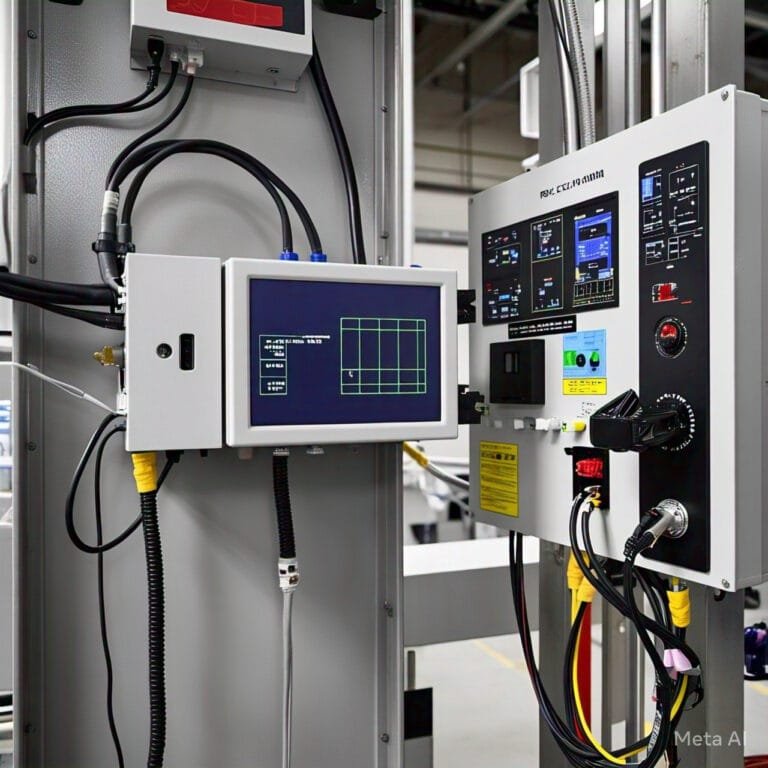
Future‑Ready Industrial Control Systems for High‑Speed Production Environments
Industrial automation has rapidly transformed the landscape of modern manufacturing. Production environments are becoming faster, smarter, and more interconnected. To meet the challenges of high‑speed production, industries must adopt control systems that are not only reliable but also adaptable to evolving needs. Future‑ready industrial control systems deliver the performance, scalability, and flexibility that today’s operations demand.
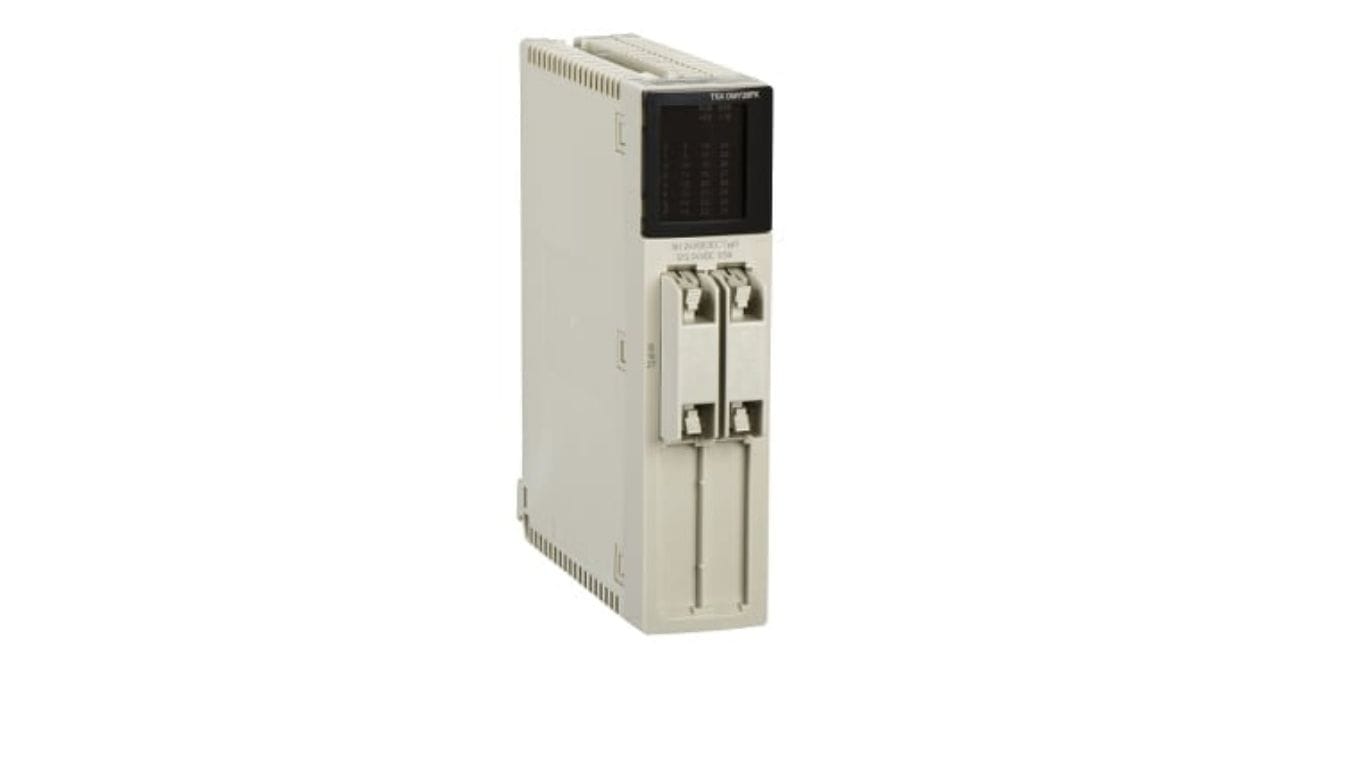
Key components such as the TSXDMY28RFK Modicon Automation platform and the 170ADM54080 Modicon Momentum Modbus I/O module base exemplify how robust control frameworks and modular hardware can dramatically improve efficiency and uptime.
The Evolution of Industrial Control Systems
From Basic PLCs to Integrated Platforms
Industrial control systems started with simple programmable logic controllers (PLCs) that executed basic logic routines to control machines and processes. Over time, complexity grew — requiring systems that could handle real-time data processing, networked communications, and distributed I/O. These advancements enabled the synchronization of different equipment across entire production lines.
Today’s control solutions integrate multiple levels of automation including machine control, data acquisition, and system diagnostics — all essential for high-speed environments where even seconds of delay can translate into significant cost.
Key Features of Future‑Ready Control Systems
Scalable Architecture
Scalability allows manufacturers to begin with a basic automation setup and expand functionality as needed. Systems built around platforms like the TSXDMY28RFK Modicon Automation platform support seamless expansion. These platforms serve as the central backbone for coordinating control logic, networking, and data handling across a facility.
Modular I/O for Flexible Control
Adaptability at the hardware level is equally important. The 170ADM54080 Modicon Momentum Modbus I/O module base offers a modular input/output structure that lets engineers customize their I/O configuration. This means adding or replacing modules to match production needs without overhauling the entire control system.
Modular bases like these can support a variety of input types and signals, enabling integration with sensors, actuators, and other field devices — a key requirement in high-speed automated environments.
High-Speed Communication Protocols
Efficient data exchange is vital for rapid response times in production lines. Industrial communication protocols like Modbus, EtherNet/IP, and fieldbus technologies ensure that components communicate reliably and with low latency. In high-speed environments, real-time data processing allows operators to react quickly to changing conditions.
Advanced automation platforms often support multiple communication standards, improving interoperability across different hardware modules.
Enhancing Performance Through Real‑Time Monitoring
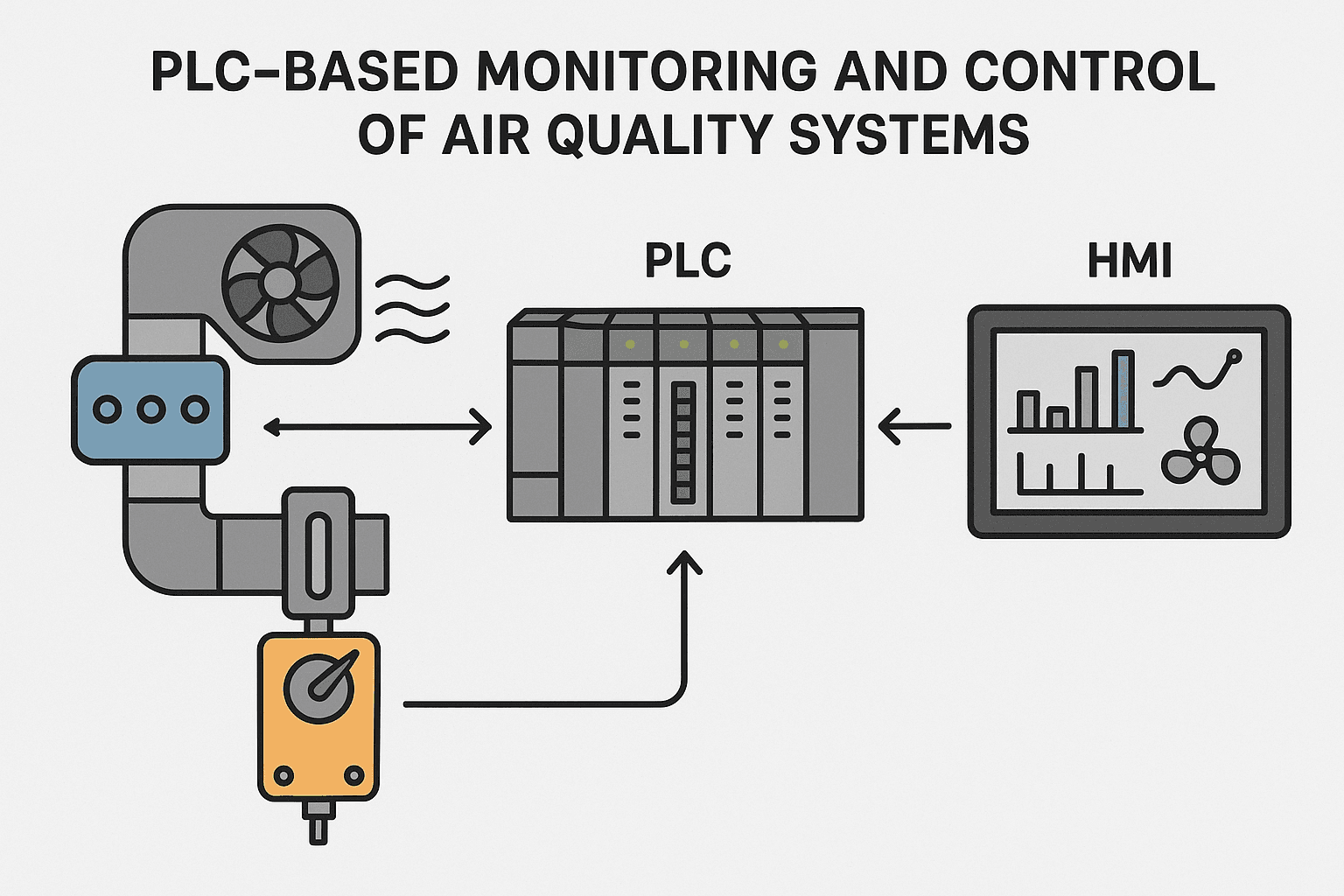
Real-time monitoring provides visibility into equipment performance and system health. Control platforms gather data from connected I/O modules and sensors, offering insights into operations. This data can be used for:
- Predictive maintenance to reduce unplanned downtime
- Performance optimization to increase throughput
- Quick troubleshooting to resolve issues before they escalate
With synchronized control and real-time visibility, production systems operate more smoothly and predictably.
Reliability and Redundancy in Control Systems
Industrial operations require systems that stay online even under strain. Modern control systems are designed with redundancy and fault-tolerant features to ensure continuous operation. With modular components like the 170ADM54080 Modicon Momentum Modbus I/O module base, individual modules can be serviced or replaced with minimal disruption.
Platforms such as the TSXDMY28RFK Modicon Automation platform often include diagnostic tools that detect hardware or communication issues early. Early detection reduces the risk of failure and increases the resiliency of the entire system.
Implementing Industrial Control in High-Speed Lines
System Design and Integration
Designing a future-ready control system requires careful planning. Engineers must consider not only the immediate control needs of a machine or process, but also future expansion, networking, and diagnostics. The flexibility offered by modular I/O bases ensures that systems can adapt without costly redesigns.
Control platforms also provide software environments for programming logic, monitoring performance, and configuring system parameters. These environments help ensure that the system works efficiently from day one.
Training and Maintenance
A critical part of deploying advanced control systems is training. Operators and maintenance personnel should be familiar with both the hardware and software components. Proper training reduces downtime and enables quick responses to system alerts, ensuring that production does not stall due to minor issues.
Comparison Table: Control Products and Competitors
The table below shows the 170ADM54080 Modicon Momentum Modbus I/O module base and similar products commonly used in industrial control systems for high-speed production lines.
| Product | Type | Function | Communication | Notes |
| 170ADM54080 Modicon Momentum Modbus I/O module base | Modular I/O Base | Provides configurable I/O for control systems using Modbus | Modbus | Flexible base for varied I/O needs |
| Analog Input Base | I/O Module | Handles analog signals for precise measurement | Standard industrial protocols | Supports multiple analog ranges |
| 170ADO54050 Discrete Output Module | I/O Module | Discrete output module for switching loads | Modbus | Useful for controlling actuators and outputs |
| 170ADM35011 Discrete I/O Module Base | I/O Module | Mixed discrete input/output base | Standard automation | Suitable for combined I/O needs |
| 170ADM35010 I/O Base | I/O Module | Discrete I/O modules with visual status LEDs | Standard protocols | Compact solution for discrete applications |
| Other Fieldbus I/O Systems | Competitor | Modular I/O with multi-protocol support | EtherNet/IP, Profibus etc. | Provides flexibility for different network types |
This table highlights the modular hardware ecosystem that supports flexible industrial control architectures.
Conclusion
Future-ready industrial control systems are essential for high-speed production environments. Systems that combine powerful automation platforms like the TSXDMY28RFK Modicon Automation platform with modular hardware such as the 170ADM54080 Modicon Momentum Modbus I/O module base offer scalability, real-time communication, and robust performance.
By designing systems with modularity and flexibility in mind, manufacturers can build production lines that adapt to changing needs — minimizing downtime and maximizing output. In an era where efficiency is paramount, adopting advanced industrial control solutions is not just beneficial — it’s necessary for staying competitive.