How Advanced PLC Processors Improve Efficiency in Modern Manufacturing
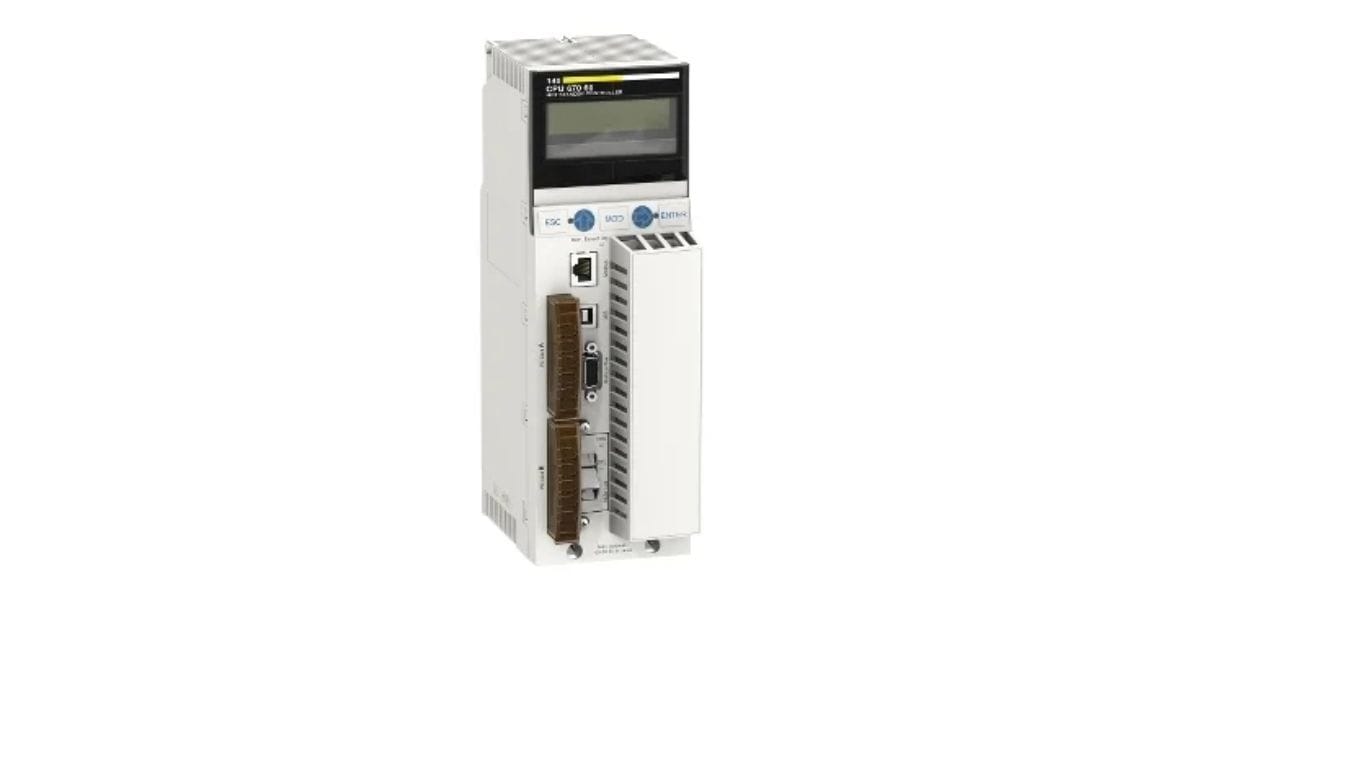
In modern manufacturing, maintaining high efficiency and minimizing downtime is critical for competitiveness. The 140CPU67060 Modicon Quantum is an advanced PLC processor at the heart of industrial automation, enabling precise control of machinery, real-time data monitoring, and process optimization. This processor helps manufacturers increase productivity while reducing errors, energy consumption, and maintenance costs.
What is a PLC Processor?
A PLC (Programmable Logic Controller) processor is a specialized computer used to automate industrial processes. Unlike regular computers, PLC processors are designed to withstand harsh factory environments, including extreme temperatures, vibrations, and electrical noise. They execute complex control logic, monitor sensor inputs, and manage outputs to drive actuators, motors, and other equipment.
Modern PLC processors allow manufacturers to automate repetitive tasks, reduce human error, and streamline production. They support advanced functions such as real-time monitoring, predictive maintenance, and integration with other factory systems.
Benefits of Using Advanced PLC Processors
Advanced PLC processors offer numerous benefits that directly contribute to efficiency in manufacturing:
1. Enhanced Process Control
PLCs allow precise control over machinery, ensuring consistent product quality and reducing waste. Process parameters like temperature, speed, and pressure can be monitored and adjusted automatically, eliminating the need for manual intervention.
2. Real-Time Monitoring and Analytics
Modern PLC processors provide real-time data collection and analysis. This enables operators to quickly identify performance bottlenecks, reduce downtime, and optimize production schedules. Analytics also support predictive maintenance, helping prevent unexpected equipment failures.
3. Flexibility and Scalability
Advanced PLC processors can easily adapt to changing manufacturing requirements. Additional inputs, outputs, or modules can be added without major system overhauls, allowing factories to scale operations efficiently.
Role in Energy Efficiency
Energy costs are a significant portion of manufacturing expenses. Advanced PLC processors help optimize energy usage by monitoring electrical loads, regulating motor speeds, and controlling lighting and HVAC systems. Automated shutdowns during idle periods prevent energy wastage, contributing to lower operating costs and a smaller environmental footprint.
Integration with Factory Systems
PLC processors integrate seamlessly with SCADA (Supervisory Control and Data Acquisition), MES (Manufacturing Execution Systems), and ERP (Enterprise Resource Planning) software. This integration ensures smooth communication between machines and management systems, enabling centralized monitoring, reporting, and decision-making.
Integration also allows for remote monitoring and control, which is especially beneficial for multi-site manufacturing operations.
Improving Safety and Reducing Human Error
In addition to efficiency, PLC processors enhance workplace safety. Automated emergency shutdowns, interlocks, and alarms reduce the risk of accidents. By managing hazardous processes, PLC processors minimize human intervention in dangerous environments, protecting employees and equipment.
Safety protocols and built-in error detection also help maintain compliance with industrial regulations and standards.
Common Alerts, Alarms, and Errors
Even the most advanced PLC processors can experience alerts or errors that need attention. Recognizing these common issues can help prevent prolonged downtime. Here’s a table summarizing frequent alerts and their causes:
| Alert/Alarm/Error | Possible Cause | Recommended Action |
| Communication Failure | Network or wiring issue | Check connections, restart PLC |
| Overvoltage Alarm | Input power exceeds rated limit | Verify supply voltage, adjust if needed |
| CPU Overload | Too many processes running simultaneously | Optimize program, reduce non-essential tasks |
| Input/Output Module Error | Faulty sensor or actuator | Inspect modules, replace if defective |
| Memory Error | Corrupted program or data storage | Reload program, check battery backup |
| Temperature Alarm | PLC exceeds operating temperature limits | Improve ventilation or cooling |
| Power Supply Failure | Power unit malfunction | Replace power supply |
| Program Scan Error | Logic error in PLC program | Review code, correct logic |
These alerts and alarms are typically displayed on the processor’s interface or connected HMI (Human-Machine Interface), allowing operators to respond quickly and minimize production losses.
Optimizing Production with Advanced Features
Modern PLC processors include features that make them indispensable for efficiency:
- High-speed processing – Handles multiple operations simultaneously.
- Redundant systems – Ensures continuous operation during failures.
- Modular architecture – Allows upgrades without replacing the entire system.
- Remote monitoring and control – Reduces manual intervention and improves response times.
By leveraging these features, manufacturers can significantly reduce production delays, improve output quality, and lower overall operational costs.
Advanced Communication and Networking
PLC processors support multiple communication protocols, enabling connectivity with other controllers, machines, and centralized systems. This interoperability allows manufacturers to implement complex automation workflows and track production performance in real time.
Networked PLC systems can send alerts to operators instantly, ensuring that minor issues are addressed before they escalate into major problems.
Cost and Long-Term Benefits
Although investing in advanced PLC processors requires an initial capital outlay, the long-term benefits often outweigh the costs. Reduced energy usage, minimized downtime, fewer product defects, and decreased labor costs contribute to a faster return on investment.
In addition, predictive maintenance enabled by PLC monitoring extends equipment life and reduces unexpected repair costs, further improving manufacturing efficiency.
Conclusion
The 140CPU67060 Modicon Quantum processor demonstrates how modern PLC systems can transform manufacturing operations by enhancing control, efficiency, and safety. With advanced features like real-time monitoring, high-speed processing, and modular expansion, these processors help manufacturers achieve higher productivity while reducing waste and operational costs.
Combining these capabilities with solutions such as SCHNEIDER ELECTRIC UNYSPUEFUCD80 allows for even greater integration, connectivity, and flexibility, making industrial operations more resilient and future-ready.
By understanding the benefits, common alerts, and operational strategies associated with advanced PLC processors, manufacturers can make informed decisions to optimize their processes and stay competitive in today’s fast-paced industrial environment.