How Modern Soft Starters Improve Efficiency and Protect Motors
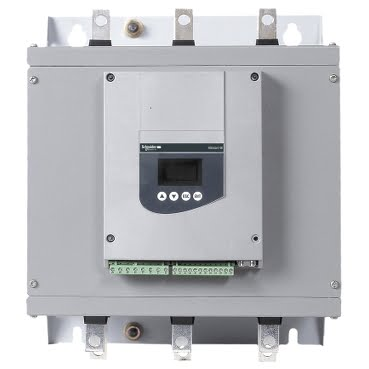
Modern industrial environments rely heavily on electrical motors for production, processing, material movement, and automation tasks. As facilities work toward greater efficiency and reduced energy consumption, the importance of controlled motor starting and stopping has significantly increased. This is where soft starters play a transformative role. By gradually applying voltage to a motor and controlling acceleration, soft starters reduce electrical stress, enhance motor life, and optimize overall system performance.
This article explores how modern soft starters improve energy efficiency, protect motors from mechanical and electrical stress, and enhance operational reliability across various industries.
Understanding the Working Principle of Soft Starters
Soft starters are electronic devices designed to regulate the initial voltage supplied to a motor. Instead of allowing a sudden surge of electrical current at startup, they slowly ramp up the voltage until the motor reaches its full operating speed. This approach ensures controlled acceleration and prevents abrupt torque changes that can damage mechanical components.
Why Sudden Motor Starting Causes Problems
When an electrical motor starts directly, it typically draws high inrush currents, often six to eight times its rated value. This sudden current spike can cause:
- Excessive mechanical stress on couplings, belts, and bearings
- Voltage drops that disrupt other electrical equipment
- Higher energy consumption during startup
Soft starters solve these issues by ensuring a smooth, controlled power application during both startup and stopping.
Key Advantages of Modern Soft Starters
Enhanced Electrical Protection
One of the primary benefits of modern soft starters is their ability to prevent common electrical issues. They monitor motor conditions and protect against:
- Overcurrent
- Phase imbalance
- Excessive heat buildup
By keeping the motor within safe operating limits, these devices significantly reduce the likelihood of unexpected failures.
Improved Energy Efficiency
Although soft starters are not continuous speed-control devices, they contribute to energy savings during the most critical stage—the startup phase. Controlled voltage application reduces energy wastage and minimizes heat losses in the motor windings.
Increased Motor Lifespan
Repeated exposure to harsh start-and-stop cycles reduces the operational life of motors. Soft starters minimize mechanical shocks and thermal stress, giving motors smoother operation and extending their working life.
Three main benefits include:
- Reduced wear on rotating components
- Lower maintenance frequency
- Better protection against premature equipment failure
Protecting Mechanical Components Through Smooth Starting
Mechanical systems connected to motors—such as pumps, conveyors, compressors, and mixers—often face significant stress during rapid acceleration. These stresses can cause early failure of shafts, gears, belts, and bearings.
How Soft Starters Reduce Mechanical Damage
Soft starters ensure a gradual buildup of torque, which reduces system strain and creates more predictable motion. This is especially important in applications where sudden movement can cause material damage, spillage, or safety hazards.
Soft Starters in Industrial Applications
Modern industrial environments use soft starters across a wide range of applications due to their reliability and protective properties.
Common Use Cases
- Pumping systems that require controlled fluid flow
- Conveyor lines that need stable acceleration
- HVAC systems requiring gradual fan startup
- Mixers and agitators that must avoid sudden load impact
The ability to protect both motors and mechanical systems makes soft starters a preferred choice in many sectors.
Intelligent Monitoring and Control Features
Modern soft starters offer advanced monitoring functions that improve operational transparency and fault diagnosis.
Examples of Advanced Features
- Real-time thermal monitoring
- Adjustable ramp-up and ramp-down profiles
- Integrated protection against electrical faults
These capabilities ensure continuous, smooth operation and allow technicians to troubleshoot issues before they become critical.
Integration With Automation and Control Systems
Soft starters are designed for seamless integration within industrial automation frameworks. They support multiple communication interfaces and can work with PLCs, control panels, and remote operating systems.
Benefits of Integration
- Improved system coordination
- Centralized control and monitoring
- Faster response to faults and alarms
This connectivity ensures that soft starters contribute to a smarter, more reliable industrial environment.
Environmental and Operational Efficiency Benefits
A well-implemented soft starter contributes to sustainability and operational efficiency across a facility.
Contribution to Energy-Efficient Practices
Soft starters reduce energy consumption during startup and decrease mechanical wear, resulting in lower maintenance costs and longer equipment life. Over time, these savings can significantly impact overall operational efficiency.
Conclusion
Modern soft starters have become essential components in industrial systems that rely on motors for continuous operations. By providing controlled acceleration and deceleration, they reduce electrical stress, protect mechanical components, and improve overall system efficiency. With advanced monitoring features, integrated protection, and compatibility with automation systems, today’s soft starters offer a reliable solution for facilities seeking increased performance and reduced maintenance costs.