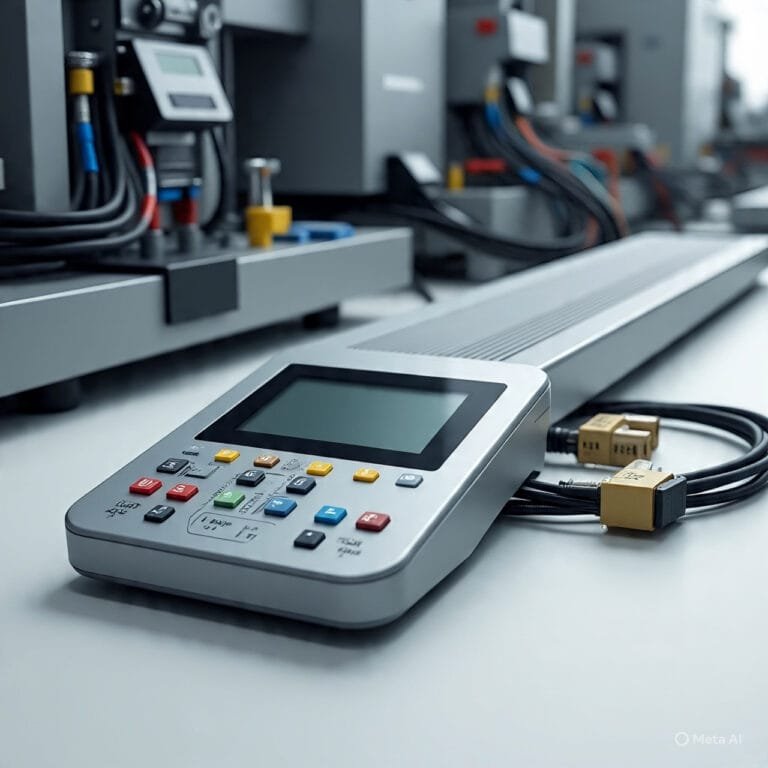
How Modular Electrical Components Improve Automation Panel Efficiency Today
Industrial automation panels are the backbone of modern manufacturing and processing facilities. These panels house the electrical and electronic components responsible for controlling machinery, monitoring system performance, and maintaining operational safety. As industrial environments continue to evolve with increasing demands for reliability, scalability, and efficiency, modular electrical components have become a critical part of modern panel design. Their flexible structure, simplified installation, and improved maintenance capabilities make them an ideal choice for automation engineers and system integrators.
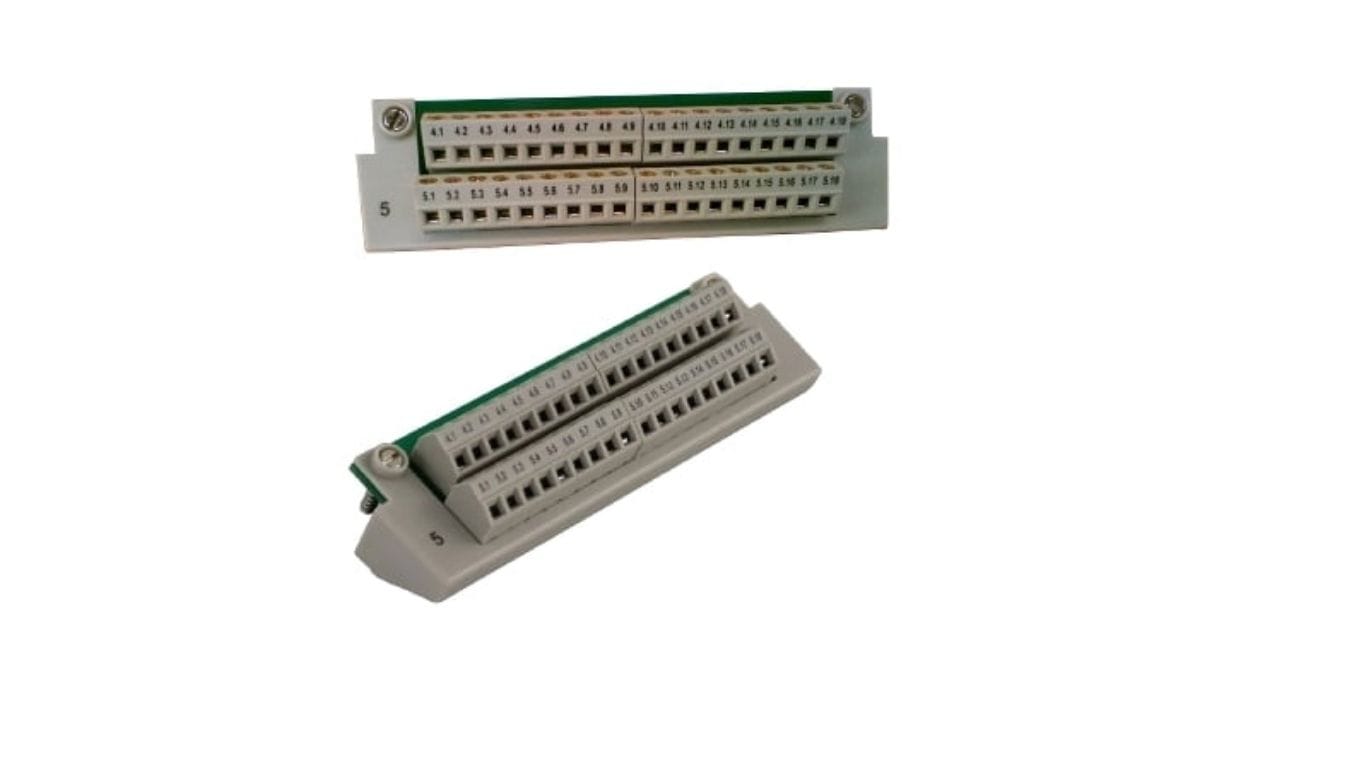
In today’s automated facilities, control panels must support advanced monitoring systems, communication networks, and programmable controllers. Modular components provide the adaptability required to support these complex systems while maintaining an organized and efficient panel layout. For example, structured distribution solutions such as 170XTS00801 Modicon Momentum busbar 2 rows help streamline power distribution inside automation cabinets. By enabling organized electrical connections and reducing wiring complexity, this type of component supports cleaner panel layouts, improved reliability, and easier system expansion in modern industrial environments.
Understanding Modular Electrical Components in Automation Panels
Modular electrical components are designed with standardized dimensions and connection systems that allow them to be easily added, removed, or replaced within an electrical control panel. Instead of building fixed wiring structures that are difficult to modify, engineers can design panels with modular units that fit together seamlessly.
These components often include distribution blocks, terminal systems, input/output modules, power supplies, and communication interfaces. Their design allows technicians to quickly assemble control panels and expand them when new equipment or automation processes are introduced.
The modular design approach reduces engineering complexity while improving the overall efficiency of panel wiring and layout.
Benefits of Modular Design in Control Panels
Faster Installation and Assembly
One of the biggest advantages of modular components is their simplified installation. Since these components follow standardized mounting and connection methods, technicians can quickly assemble control panels without complicated custom wiring.
Predefined connectors and distribution systems reduce wiring time, minimize installation errors, and allow faster system deployment in industrial facilities.
Improved Maintenance and Troubleshooting
Maintenance is significantly easier when modular components are used. Instead of replacing large sections of wiring or entire assemblies, technicians can remove and replace individual modules without affecting the rest of the system.
This modular approach reduces downtime and ensures that automation systems can return to operation quickly after maintenance or repairs.
Better Panel Organization
A well-organized control panel is essential for safe and efficient operations. Modular components help maintain clean wiring paths, structured layouts, and better cable management. Organized panels improve airflow, simplify troubleshooting, and enhance long-term reliability.
Enhanced Power Distribution and Panel Layout
Efficient power distribution is one of the most important aspects of automation panel design. Poor distribution methods can lead to overheating, unstable signals, and electrical faults that affect system performance.
The use of structured distribution systems such as 170XTS00801 Modicon Momentum busbar 2 rows helps improve the organization and reliability of power connections inside automation panels. This type of structured distribution layout allows multiple modules to receive consistent electrical supply while reducing wiring complexity. By using a well-designed distribution framework, engineers can create cleaner panel layouts, minimize wiring errors, and ensure consistent current flow across connected devices.
Scalability for Expanding Industrial Systems
Industrial processes rarely remain static. Production lines often expand as new machines, sensors, or automation technologies are introduced. Modular electrical components allow control panels to grow along with these operational needs.
Instead of redesigning entire panels, engineers can simply add new modules to existing systems. This flexibility reduces upgrade costs and allows companies to adapt quickly to new production requirements.
Scalable panel architecture also supports the integration of new digital technologies such as advanced monitoring systems, predictive maintenance tools, and industrial communication networks.
Safety Improvements Through Structured Panel Design
Safety is a critical factor in any industrial automation system. Disorganized wiring and overloaded circuits can create serious electrical hazards for both equipment and personnel.
Modular components help improve safety by providing clearly structured wiring layouts and secure connection points. Proper power distribution and organized cabling reduce the chances of short circuits, overheating, or accidental disconnections.
Additionally, modular systems often support standardized labeling and identification methods that make it easier for technicians to locate and isolate specific components during maintenance procedures.
Common Alerts, Alarms, and Errors in Automation Modules
Automation components may generate alerts or alarms when irregular conditions occur. These warnings help operators identify issues early and prevent system failures. Below is a table showing common alerts and possible causes.
| Alert / Alarm | Possible Cause | Recommended Action |
| Power Supply Fault | Insufficient or unstable voltage input | Verify input voltage and check power connections |
| Communication Loss | Network cable disconnected or damaged | Inspect communication cables and connectors |
| Module Initialization Error | Incorrect configuration or system restart failure | Restart module and verify configuration settings |
| Overtemperature Warning | Poor ventilation or excessive load | Improve panel ventilation and check device load |
| Input Signal Failure | Sensor or field wiring issue | Inspect sensor connections and field wiring |
| Output Channel Fault | Short circuit or overload in connected device | Check output wiring and connected equipment |
| Data Synchronization Error | Communication delay between modules | Verify network stability and configuration |
These alerts are essential for maintaining stable automation operations and preventing unexpected system downtime.
Supporting Reliable Industrial Data and Control Systems
Modern automation systems rely heavily on accurate data collection and reliable communication between sensors, controllers, and machines. Modular input and output systems play a crucial role in this data exchange.
These modules collect signals from sensors, transmit control commands to actuators, and communicate with supervisory systems. A well-structured modular I/O architecture ensures that industrial data flows smoothly between various parts of the automation network.
Reliable signal handling and fast data processing are essential for maintaining consistent production performance and system stability.
The Future of Modular Automation Panels
The future of industrial automation panels is closely tied to modular technology. As factories continue to adopt smart manufacturing practices, modular components will play an even larger role in panel design.
Automation systems will increasingly rely on flexible architectures that support real-time monitoring, remote diagnostics, and rapid system upgrades. Modular electrical components provide the foundation needed to support these modern industrial requirements.
Manufacturers and system integrators are focusing on designs that prioritize scalability, reliability, and efficient space utilization within control panels.
Integration of Advanced Input and Output Systems
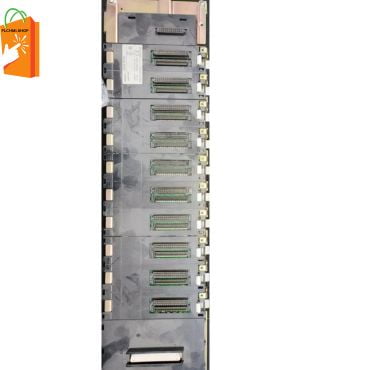
Modern automation systems require advanced input and output capabilities to handle large volumes of operational data. High-density I/O modules like BMXDAI1614H Modicon X80 are designed to support efficient signal acquisition and reliable communication within industrial control panels. When integrated alongside structured distribution solutions such as 170XTS00801 Modicon Momentum busbar 2 rows, automation panels achieve better power management, organized wiring, and improved operational efficiency, allowing industrial systems to run more reliably while supporting future expansion.