How to Improve Measurement Accuracy in Complex Electrical Monitoring Setups
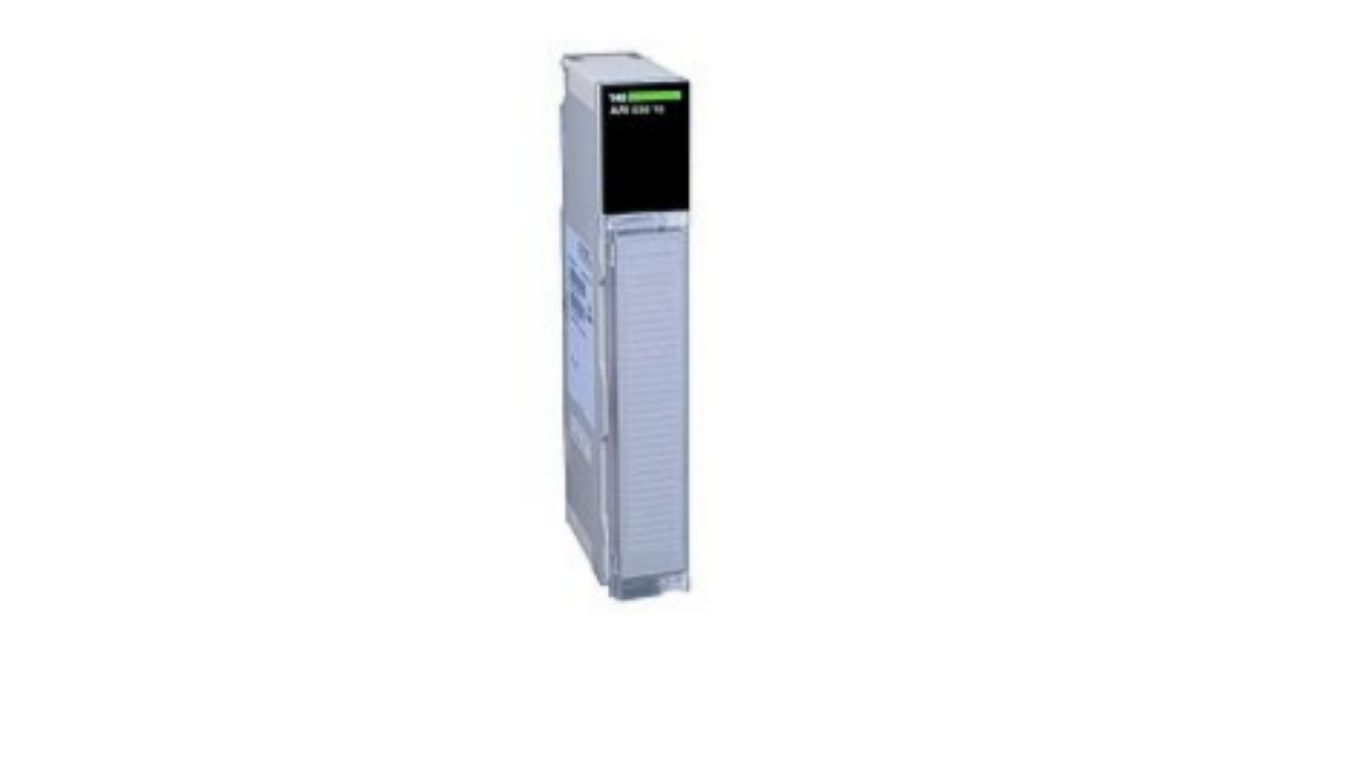
Accurate electrical measurement is the backbone of efficient monitoring, control, and automation systems. In complex setups—where multiple sensors, fluctuating loads, and environmental factors interact—maintaining precision becomes challenging. Even minor inaccuracies can lead to faulty decisions, reduced efficiency, or system failures. This article explores practical strategies to improve measurement accuracy while ensuring stability and reliability in demanding electrical monitoring environments, especially when using solutions like 140ARI03010 – analog input module Modicon Quantum for precise signal acquisition.
Understanding the Importance of Measurement Accuracy
Measurement accuracy determines how closely a recorded value reflects the true electrical parameter. In industrial and large-scale systems, inaccurate readings can result in:
- Poor system performance
- Increased energy consumption
- Equipment damage
- Safety risks
Therefore, improving accuracy is not just a technical requirement—it is a critical operational priority.
Key Factors Affecting Measurement Accuracy
Signal Noise and Interference
Electrical noise from nearby equipment, electromagnetic interference, and grounding issues can distort signals. This is especially common in high-voltage or densely wired environments.
Sensor Quality and Calibration
Low-quality sensors or poorly calibrated instruments introduce consistent errors. Over time, even high-quality sensors can drift and require recalibration.
Environmental Conditions
Temperature, humidity, and vibration can significantly impact measurement systems. Sensitive components may behave differently under extreme conditions.
Wiring and Installation Errors
Incorrect wiring, loose connections, or poor shielding can degrade signal integrity and lead to inaccurate readings.
Techniques to Improve Measurement Accuracy
Use High-Quality Signal Conditioning
Signal conditioning helps convert raw sensor outputs into clean, usable signals. This includes amplification, filtering, and isolation to reduce noise and distortion.
Implement Proper Grounding and Shielding
A well-designed grounding system minimizes electrical noise. Shielded cables and proper routing can prevent interference from external sources.
Regular Calibration and Maintenance
Calibration ensures that instruments maintain their accuracy over time. Scheduled maintenance helps detect and correct deviations early.
Optimize Sensor Placement
Sensors should be installed in locations that best represent the actual conditions being measured. Avoid placing them near heat sources, vibrations, or electromagnetic fields.
Role of Advanced Input Modules in Accuracy Improvement
Modern monitoring systems rely heavily on specialized input modules to capture and process analog signals effectively. For example, systems using 140ARI03010 – analog input module Modicon Quantum can benefit from high-resolution signal conversion and improved noise rejection. These modules are designed to handle complex signal environments, ensuring that even small variations in input signals are accurately captured and processed.
Data Filtering and Processing Techniques
Digital Filtering
Applying digital filters helps remove unwanted noise from signals. Common filters include:
- Low-pass filters for smoothing signals
- High-pass filters for removing baseline drift
- Band-pass filters for isolating specific frequencies
Averaging Techniques
Averaging multiple readings over time reduces random noise and improves overall accuracy.
Error Detection Algorithms
Advanced systems use algorithms to detect anomalies and correct measurement errors automatically.
Importance of System Integration
Accurate measurement is not just about individual components—it depends on how well the entire system works together.
Synchronization of Components
Ensure that all sensors, modules, and controllers operate in sync to avoid timing mismatches.
Compatibility Between Devices
Using compatible components reduces communication errors and improves data consistency.
Scalable Architecture
Design systems that can adapt to future expansions without compromising measurement accuracy.
Common Alerts, Alarms, and Errors
Below is a table outlining typical alerts, alarms, and errors in electrical monitoring systems:
| Type | Description | Possible Cause | Recommended Action |
| Signal Loss | No input signal detected | Broken wire or disconnected sensor | Check wiring and connections |
| Noise Interference | Fluctuating or unstable readings | Electromagnetic interference | Improve shielding and grounding |
| Calibration Error | Measurements deviate from expected values | Sensor drift or outdated calibration | Recalibrate the system |
| Overrange Alarm | Input exceeds measurable range | Excess voltage or current | Verify input limits and system design |
| Underrange Alarm | Input below measurable threshold | Weak signal or sensor fault | Inspect sensor and signal strength |
| Communication Error | Data not transmitted correctly between components | Network or configuration issue | Check communication settings |
| Temperature Alarm | System operating outside safe temperature range | Environmental conditions or overheating | Improve cooling and ventilation |
| Power Failure | Sudden loss of system power | Supply interruption | Ensure stable power source |
Best Practices for Long-Term Accuracy
Documentation and Monitoring
Maintain detailed records of system performance, calibration schedules, and maintenance activities.
Training and Skill Development
Ensure that personnel handling the system are properly trained to identify and resolve accuracy issues.
Use Redundant Systems
In critical applications, redundancy ensures that backup measurements are available in case of failure.
Future Trends in Measurement Accuracy
With advancements in technology, electrical monitoring systems are becoming more intelligent and precise. Trends include:
- Integration of AI for predictive error detection
- Use of smart sensors with self-calibration features
- Enhanced data analytics for real-time accuracy improvements
These innovations are shaping the future of high-precision monitoring systems.
Conclusion
Improving measurement accuracy in complex electrical monitoring setups requires a combination of proper design, high-quality components, and regular maintenance. From reducing noise and optimizing sensor placement to implementing advanced processing techniques, every step contributes to better performance and reliability. Systems incorporating solutions like 140AMM09000 – analog input output module Modicon further enhance flexibility by enabling both input and output signal management, making them suitable for dynamic and demanding environments. By following best practices and leveraging modern technologies, organizations can achieve precise, reliable, and efficient electrical monitoring.