Industrial Discrete Input Solutions for Modicon Quantum Systems
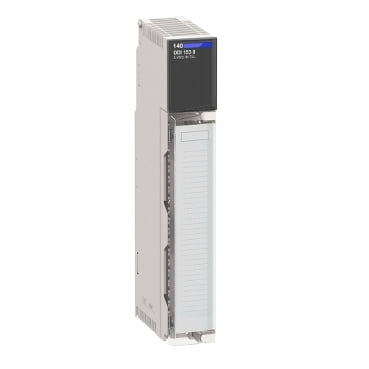
In modern industrial automation environments, reliable data acquisition is essential for smooth and safe operations. Discrete input solutions play a vital role in collecting on/off signals from field devices such as sensors, switches, push buttons, and limit detectors. These signals allow control systems to monitor real-time conditions and make accurate decisions. In high-demand automation architectures, discrete input solutions are designed to deliver precision, durability, and fast response times.
Industrial discrete input solutions used in large-scale control platforms are engineered to handle harsh environments, electrical noise, and continuous operation. Their performance directly affects productivity, safety, and system stability.
Understanding Discrete Input Modules in Automation
What Are Discrete Inputs?
Discrete inputs are digital signals that represent two possible states: ON or OFF, TRUE or FALSE, HIGH or LOW. These signals originate from field devices and are transmitted to the control system for processing. Common examples include emergency stop buttons, proximity sensors, and pressure switches.
Role in Control Systems
Discrete input modules act as the interface between physical devices and the central control processor. They receive electrical signals, condition them, and convert them into readable digital data. This data is then used to trigger actions, generate alarms, or control machinery sequences.
Key Features of Industrial Discrete Input Solutions
High Signal Accuracy
Industrial environments often contain electrical interference, voltage fluctuations, and noise. Discrete input solutions are designed with advanced filtering and isolation techniques to ensure accurate signal detection even in challenging conditions.
Electrical Isolation and Protection
Electrical isolation protects control systems from voltage spikes and short circuits. Industrial discrete input modules typically include opto-isolation or similar technologies to safeguard internal components and improve system reliability.
Fast Response Time
Rapid signal processing is critical in automation systems where timing is essential. Discrete input solutions are optimized to detect changes in input status quickly, ensuring precise control and improved operational efficiency.
Environmental and Operational Durability
Resistance to Harsh Conditions
Industrial facilities expose automation components to extreme temperatures, dust, humidity, and vibration. Discrete input solutions are built using rugged materials and sealed designs to maintain performance in demanding environments.
Long Operational Life
High-quality discrete input solutions are engineered for continuous operation over long periods. Their robust design reduces maintenance needs and minimizes unexpected downtime, contributing to overall cost efficiency.
Integration with Industrial Control Architectures
Seamless System Compatibility
Discrete input solutions are designed to integrate easily into complex automation architectures. Standardized interfaces and modular designs allow them to be installed, replaced, or expanded without major system modifications.
Flexible Configuration Options
Modern discrete input modules offer configurable parameters such as voltage ranges, filtering times, and diagnostic functions. This flexibility allows engineers to adapt the solution to specific application requirements.
Diagnostic and Monitoring Capabilities
Real-Time Status Indication
Industrial discrete input solutions often include visual indicators to display the status of each input channel. These indicators help technicians quickly identify signal conditions during commissioning and troubleshooting.
Fault Detection and Reporting
Advanced diagnostic features allow the detection of wiring faults, signal loss, or abnormal conditions. Early fault detection helps prevent system failures and improves overall operational safety.
Applications of Industrial Discrete Input Solutions
Manufacturing and Assembly Lines
In manufacturing environments, discrete inputs are used to monitor machine states, detect product presence, and ensure proper sequencing. Reliable input solutions help maintain consistent production quality and throughput.
Energy and Utilities
Power generation and distribution systems rely on discrete input solutions to monitor breakers, switches, and safety devices. Accurate signal detection ensures safe operation and rapid response to abnormal conditions.
Process Industries
In industries such as chemical processing, water treatment, and oil and gas, discrete inputs are used to monitor valves, alarms, and safety interlocks. Durable input solutions are essential for maintaining process stability and compliance.
Safety and Compliance Considerations
Support for Safety Functions
Discrete input solutions contribute to safety systems by monitoring emergency stops, protective doors, and safety relays. Their reliability is critical for protecting personnel and equipment.
Compliance with Industrial Standards
Industrial discrete input solutions are designed to meet international standards for electrical safety, electromagnetic compatibility, and environmental resistance. Compliance ensures reliable operation across different regions and industries.
Maintenance and Troubleshooting Benefits
Simplified Maintenance Procedures
Clear labeling, modular construction, and diagnostic indicators simplify maintenance tasks. Technicians can quickly identify faulty channels and replace components without disrupting the entire system.
Reduced Downtime
Reliable discrete input solutions minimize false signals and unexpected failures. This stability reduces unplanned downtime and helps maintain continuous production.
Future Trends in Discrete Input Technology
Increased Diagnostic Intelligence
Future discrete input solutions are expected to include enhanced diagnostics and predictive maintenance features. These capabilities will allow systems to detect potential issues before failures occur.
Improved Energy Efficiency
As energy efficiency becomes a priority, discrete input solutions will continue to evolve with lower power consumption and optimized signal processing technologies.
Conclusion
Industrial discrete input solutions are a foundational element of modern automation systems. Their ability to accurately capture and transmit digital signals ensures reliable control, enhanced safety, and efficient operations. With features such as robust environmental protection, fast response times, advanced diagnostics, and seamless integration, these solutions meet the demanding requirements of industrial applications. As automation technologies continue to advance, discrete input solutions will remain essential for building reliable, scalable, and future-ready control systems.