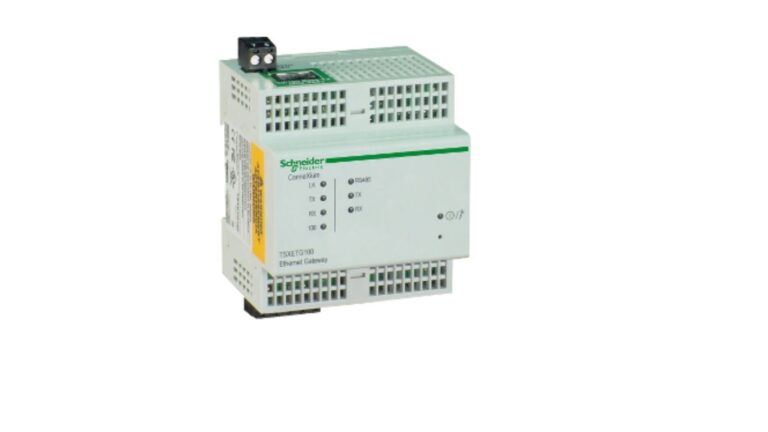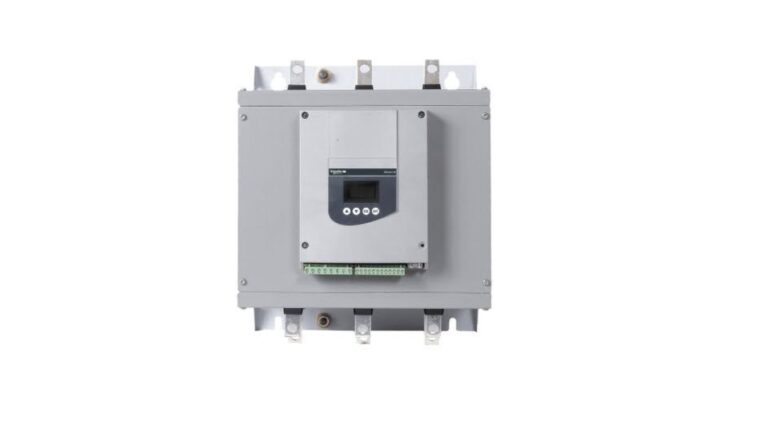
Industrial Hardware Interface Solutions Available Worldwide
Introduction
Industrial hardware interface solutions are essential for enabling reliable communication between machines, controllers, monitoring systems, and industrial networks.
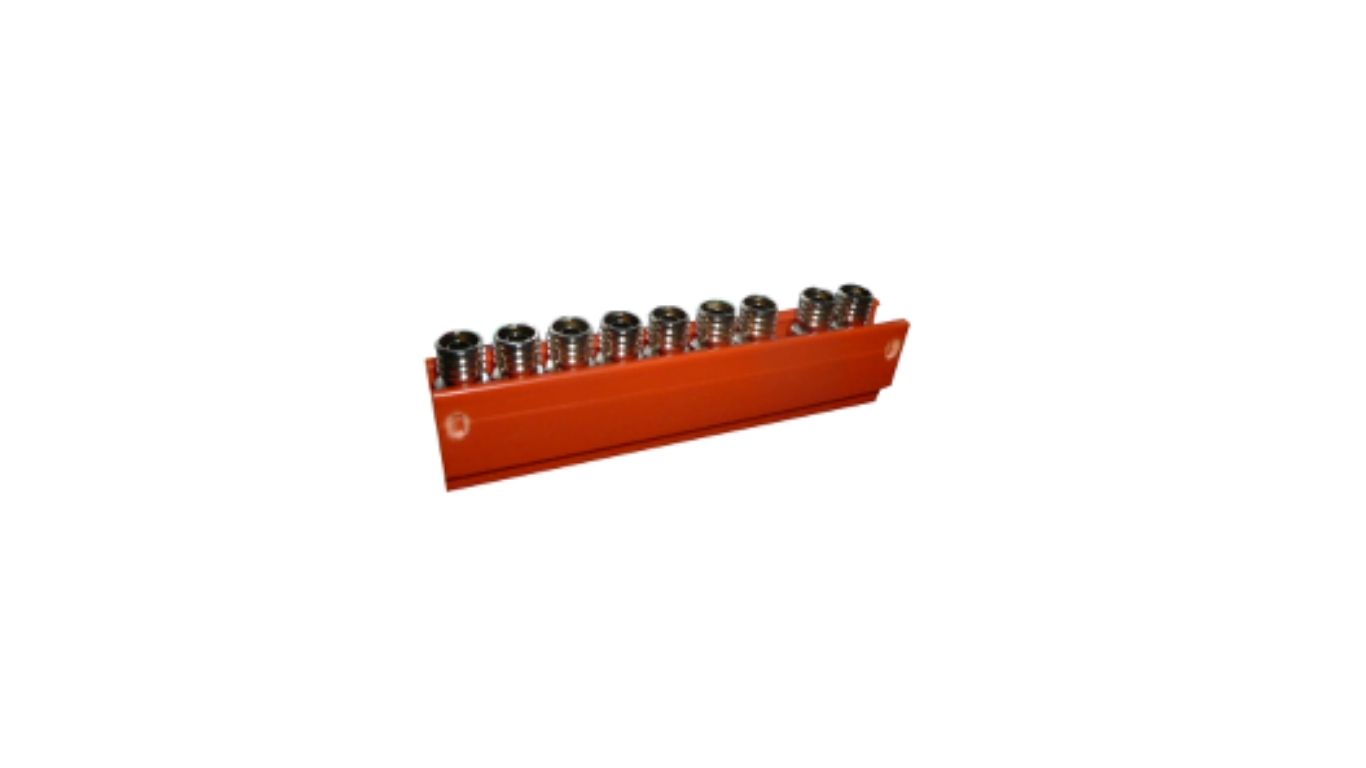
Industrial automation depends heavily on dependable interface hardware that allows equipment to exchange data efficiently while maintaining operational stability. Components such as MA0329001 Modicon Quantum F connector cassette and TSXCDP503 connecting cable – Modicon Premium demonstrate how specialized interface technologies support communication inside complex industrial environments.
Understanding industrial hardware interface solutions, their types, applications, and selection methods helps engineers and industrial teams build scalable and reliable automation systems.
Understanding Industrial Interface Hardware
Industrial interface hardware refers to physical components that connect, adapt, transmit, and protect communication between industrial devices.
These components allow systems using different electrical standards, communication methods, and mechanical formats to operate together efficiently.
Industrial interface hardware commonly supports:
- Programmable controllers
- Sensors
- Human-machine interfaces
- Actuators
- Communication modules
- Monitoring systems
Without reliable interface hardware, communication failures may lead to downtime, signal loss, and reduced production efficiency.
How Industrial Hardware Interface Solutions Improve Automation
Industrial interface technologies perform several important functions.
Signal Conversion
Allows communication between different electrical standards.
Physical Connectivity
Creates stable communication paths between industrial devices.
Protocol Adaptation
Supports communication across multiple industrial systems.
Electrical Isolation
Protects sensitive electronics.
Expansion Capability
Makes future system growth easier.
Industrial hardware interface solutions help maintain stable communication and reduce failures across industrial operations.
Types of Industrial Hardware Interface Solutions
Connector Modules
Connector modules provide structured termination points and simplify maintenance.
Benefits include:
- Faster installation
- Reduced wiring errors
- Faster replacement
- Improved reliability
Selecting industrial hardware interface solutions with modular architecture improves maintenance efficiency.
Industrial Communication Cables
Communication cables are designed for reliable signal transmission.
Industrial-grade cables commonly resist:
- Electromagnetic interference
- Temperature changes
- Moisture exposure
- Mechanical vibration
- Chemical exposure
High-quality cables support stable communication across automation environments.
Interface Adapters
Adapters allow equipment with different standards to exchange information.
Examples include:
- Legacy integration
- Serial conversion
- Connector adaptation
Adapters reduce upgrade costs.
Terminal Blocks
Terminal blocks provide organized wire distribution.
Advantages:
- Simplified maintenance
- Improved organization
- Better diagnostics
- Increased safety
Common Industrial Applications
Industrial interface technologies support:
- Manufacturing facilities
- Energy systems
- Transportation infrastructure
- Process control
- Water treatment systems
- Industrial monitoring environments
Reliable communication improves productivity and reduces operational interruptions.
Key Selection Factors
Electrical Compatibility
Evaluate:
- Voltage
- Current ratings
- Signal requirements
Mechanical Compatibility
Review:
- Dimensions
- Mounting methods
- Connector layout
Environmental Protection
Choose components suitable for:
- Dust
- Moisture
- Oil
- Temperature variation
Compliance
Use certified industrial components whenever possible.
Benefits of High-Quality Interface Hardware
Improved Reliability
Stable communication reduces downtime.
Easier Maintenance
Modular components simplify replacement.
Better Scalability
Standardized hardware supports expansion.
Improved Safety
Shielded and insulated designs improve protection.
High-quality industrial hardware interface solutions support long-term operational reliability.
Installation Best Practices
Proper Cable Routing
Separate communication and power wiring.
Secure Connections
Loose connections increase communication failures.
Label and Document
Maintain accurate wiring records.
Perform Preventive Inspection
Inspect for:
- Wear
- Corrosion
- Connector damage
- Mechanical stress
Industry Trends
Growth of Automation
More connected devices increase demand for interface technologies.
Legacy Integration
Organizations continue combining old and modern equipment.
Reliability Requirements
Downtime drives demand for dependable connectivity.
Frequently Asked Questions
What is industrial interface hardware?
Industrial interface hardware includes connectors, cables, adapters, and communication components.
Why are industrial communication cables important?
They improve signal reliability.
How do adapters support modernization?
They allow older systems to integrate with newer environments.
How can reliability be improved?
Use certified components, preventive maintenance, and proper installation.
Conclusion
Industrial hardware interface solutions form an important foundation of modern automation systems. Connector modules, cables, adapters, and terminal blocks improve communication reliability, simplify maintenance, and support scalable industrial environments.
Organizations investing in industrial hardware interface solutions often achieve improved operational stability and lower maintenance costs.