Large-Format 18.5-Inch Touchscreen Display for Control and Monitoring
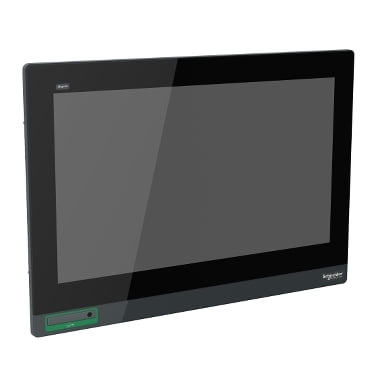
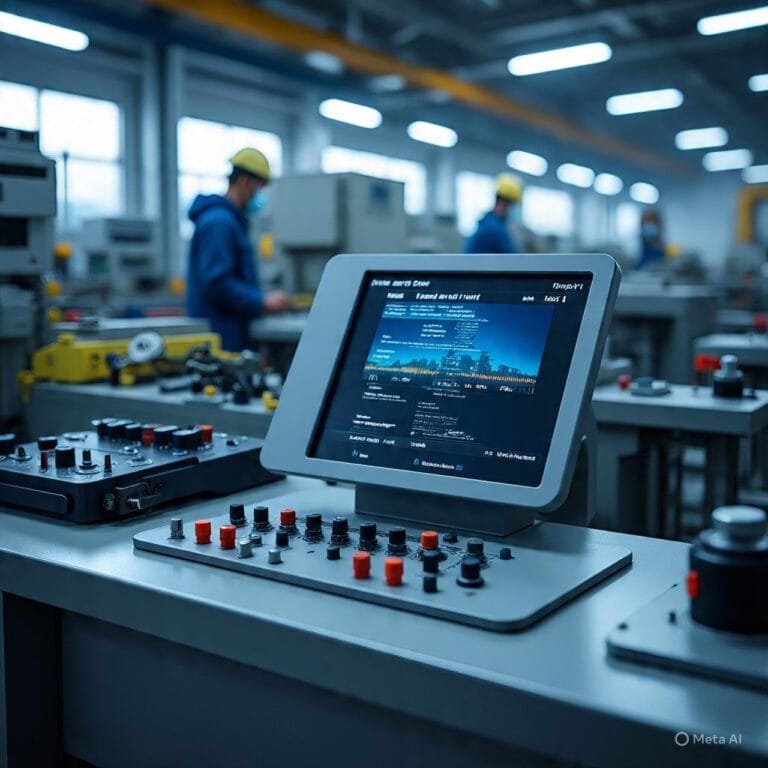
As industrial automation continues to advance, human–machine interaction has become a critical component of efficient operations. Large-format touchscreen displays play an essential role by providing operators with a clear, interactive interface for controlling and monitoring complex systems. An 18.5-inch touchscreen display offers an ideal balance between screen size and usability, enabling detailed visualization without occupying excessive panel space.
These displays are widely used across industrial environments where real-time data access, intuitive control, and high visibility are required for safe and efficient operations.
Importance of Screen Size in Control and Monitoring
Enhanced Visibility and Clarity
A large-format display significantly improves visibility by allowing more information to be presented clearly on a single screen. Process data, alarms, trends, and graphical elements can be displayed simultaneously without overcrowding, reducing the need for frequent screen changes.
Improved Operator Interaction
With an 18.5-inch touchscreen, operators can interact more comfortably with on-screen controls. Larger touch targets reduce input errors, especially when gloves are worn or when rapid responses are required in industrial environments.
Key Features of an 18.5-Inch Touchscreen Display
High-Resolution Visual Output
Large-format touchscreen displays are designed to support high-resolution graphics, ensuring sharp text and detailed visuals. Clear display quality enhances readability and helps operators quickly interpret process information.
Responsive Touch Technology
Modern touchscreen displays use advanced touch technologies that provide accurate and fast response times. Multi-touch support allows gestures such as zooming and scrolling, improving navigation and control efficiency.
Durable Display Construction
Industrial touchscreen displays are built to withstand harsh operating conditions. Scratch-resistant glass, robust enclosures, and reinforced mounting options ensure long-term durability.
Role in Industrial Control Systems
Centralized Control Interface
An 18.5-inch touchscreen display often serves as the central interface for system control. Operators can start, stop, and adjust processes through an intuitive graphical interface, reducing reliance on physical buttons and switches.
Real-Time Monitoring Capabilities
Real-time monitoring is essential for maintaining process stability. Large-format displays enable continuous visualization of system parameters, alerts, and performance metrics, allowing operators to identify issues quickly.
Design Considerations for Industrial Use
Ergonomic Interface Design
User interface design plays a significant role in operational efficiency. Large displays support ergonomic layouts with clear icons, logical navigation, and consistent visual elements that reduce operator fatigue.
Flexible Mounting Options
Large-format touchscreen displays can be panel-mounted, wall-mounted, or integrated into control desks. Flexible mounting options ensure compatibility with different installation environments.
Reliability in Harsh Industrial Environments
Resistance to Environmental Factors
Industrial touchscreen displays are designed to operate reliably under challenging conditions such as temperature variations, humidity, dust, and vibration. Protective coatings and sealed enclosures enhance durability.
Continuous Operation Performance
Many industrial applications require displays to operate continuously. Large-format touchscreen displays are engineered for extended use, maintaining performance and image quality over long periods.
Applications of Large-Format Touchscreen Displays
Manufacturing and Production Lines
In manufacturing environments, touchscreen displays provide operators with real-time access to production data, machine status, and quality indicators. The large screen size helps streamline decision-making and reduce downtime.
Process Industries
Industries such as chemical processing, water treatment, and food production rely on clear visual monitoring. Large-format displays allow operators to oversee multiple processes simultaneously, improving control accuracy.
Energy and Infrastructure Monitoring
In energy and infrastructure systems, touchscreen displays are used to monitor equipment status, load conditions, and alarm systems. High visibility ensures rapid response to critical events.
Safety and Operational Efficiency
Alarm Visualization and Response
Large displays enhance alarm management by clearly presenting alerts and warnings. Operators can quickly identify abnormal conditions and take corrective actions, improving overall safety.
Reduced Human Error
Clear visuals and intuitive touch interaction reduce the risk of operator error. By simplifying control tasks, touchscreen displays contribute to safer and more reliable operations.
Maintenance and Support Benefits
Simplified System Diagnostics
Touchscreen displays often include diagnostic and maintenance screens that provide detailed system information. This simplifies troubleshooting and reduces maintenance time.
Easy Updates and Configuration
Modern displays support software-based configuration and updates, allowing interface changes without hardware modifications. This flexibility helps adapt systems to evolving operational needs.
Future Trends in Touchscreen Display Technology
Enhanced Visual Technologies
Future large-format touchscreen displays are expected to incorporate improved brightness, contrast, and viewing angles, further enhancing usability in industrial settings.
Increased Integration Capabilities
As automation systems become more interconnected, touchscreen displays will offer greater integration with data analytics, remote monitoring, and predictive maintenance tools.
Conclusion
A large-format 18.5-inch touchscreen display is a powerful tool for industrial control and monitoring applications. Its combination of high visibility, responsive touch interaction, and durable construction makes it ideal for demanding environments. By improving operator interaction, enhancing real-time monitoring, and supporting efficient control, these displays contribute significantly to operational safety and productivity. As industrial systems continue to evolve, large-format touchscreen displays will remain a key component in modern automation and monitoring solutions.