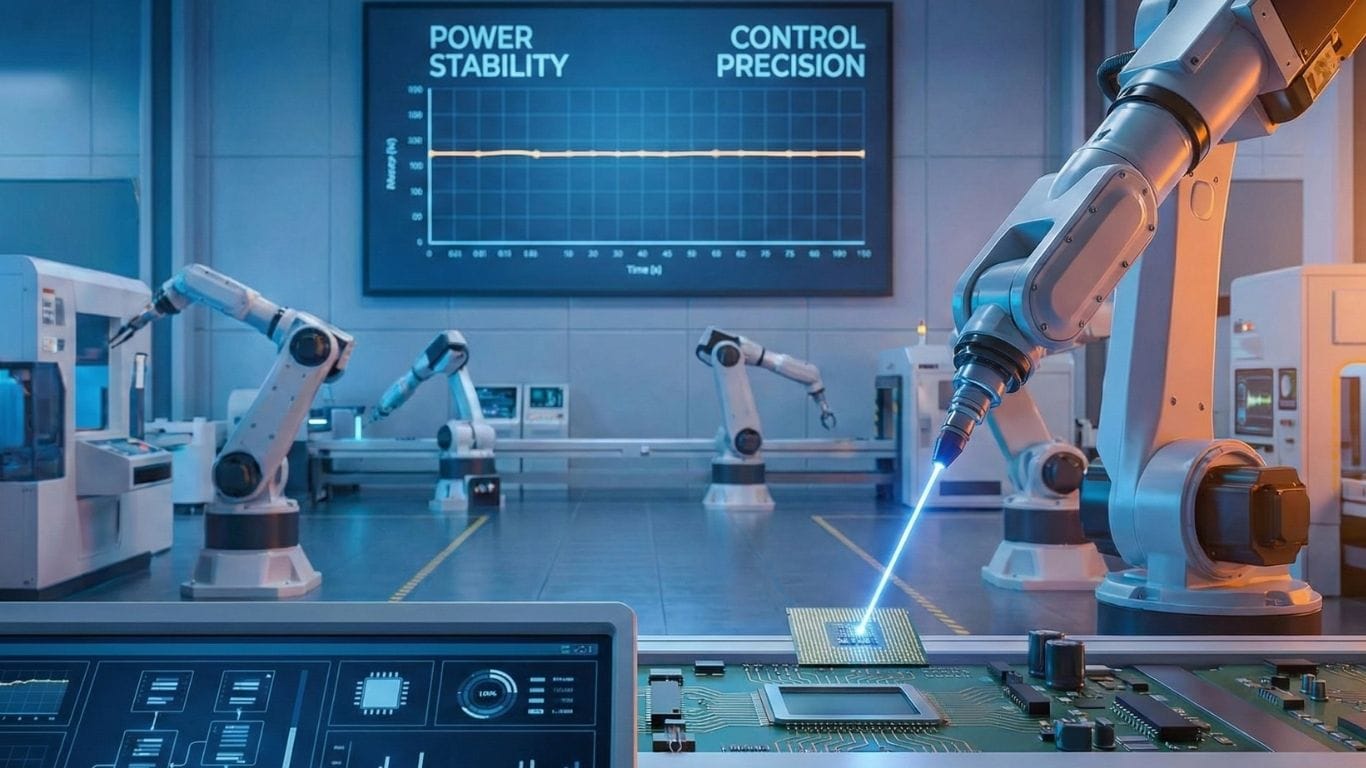
Power Stability and Control Precision in Industrial Automation
Introduction to Reliable Control Infrastructure
Industrial automation relies on stable electrical power, predictable processing capability, and hardware that can tolerate demanding operating conditions. Every control architecture, regardless of its scale, depends on two fundamental pillars: regulated power distribution and dependable CPU performance. When either of these elements becomes unstable, the entire system’s operation is at risk.
This is why modules like the OMRON CV500-PS211 and 140CPU67060 remain widely used in many manufacturing and process-driven environments. Their roles are delivering regulated power and the other executing control logic form the foundation of a reliable system. Understanding how these components function and how they integrate into the broader control structure provides a clearer path toward long-term operational stability.
Importance of Stable Power in Automation Systems
Why Dedicated Power Modules Matter
Automation hardware operates in electrically noisy environments. Motors, inverters, heaters, and switching elements all introduce noise, voltage dips, and fluctuations. Without a stable power supply, even the most sophisticated controller can produce inconsistent responses or unexpected shutdowns.
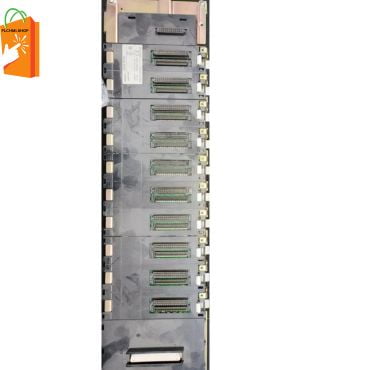
The OMRON CV500-PS211 addresses this challenge by delivering a controlled and regulated supply to a rack of automation modules. It provides clean voltage to CPU units, I/O cards, and communication modules, ensuring that logic execution remains uninterrupted.
A small fluctuation in power can corrupt data, disrupt communication timing, or degrade signal resolution. This highlights why dependable power modules are considered essential rather than optional.
Key Capabilities of OMRON CV500-PS211
The OMRON CV500-PS211 is designed for 24 V DC input systems and delivers a stable 5 V output capable of supporting multiple modules. Its load-handling capability ensures stable output even when the rack is populated with numerous high-demand cards.
Some notable characteristics include:
- Noise-resistant and insulated design
- Steady operation across extended temperature ranges
- Reliable handling of startup inrush currents
- Strong protection against voltage irregularities
These characteristics make the OMRON CV500-PS211 suitable for systems where continuous operation is critical.
CPU Performance as the Core of Automation Logic
Functional Role of a Processor Module
Every automated process—whether discrete or continuous—depends heavily on the performance of its CPU module. Logic processing, communication with distributed I/O, and coordination with supervisory systems all occur through the central CPU. A reliable module prevents timing issues, logic faults, and unpredictable behavior.
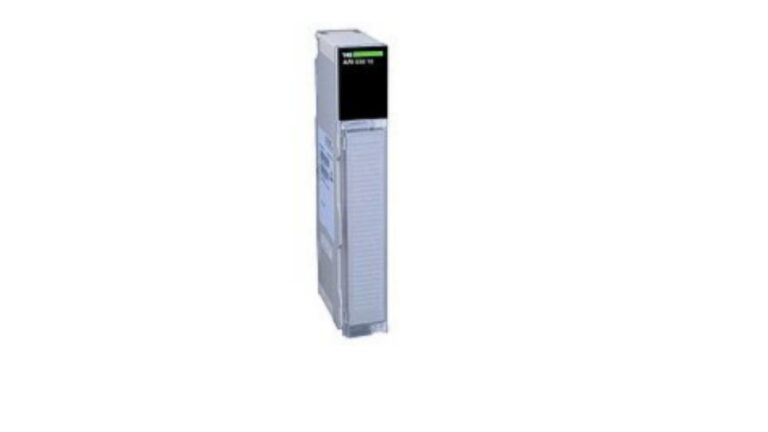
The 140CPU67060 is one such module widely adopted for robust control tasks. It provides the processing backbone required for deterministic output, structured logic handling, and stable communication with surrounding hardware.
Characteristics of 140CPU67060
While system configurations vary, several capabilities consistently stand out:
- Predictable scan-time performance
- Memory allocation suitable for complex control routines
- Strong resistance to electrical interference
- Compatibility with a variety of industrial communication networks
These qualities ensure that the 140CPU67060 can support applications ranging from machinery sequencing to process monitoring. Its longevity in the automation field demonstrates its reliability and adaptability.
Integration of Power and CPU Modules in a Control Rack
Complementary Roles in System Architecture
A power supply module and a CPU module may seem unrelated at a glance, but in automation architecture they are closely interdependent. The CPU logic only performs reliably when the power it receives remains stable. Similarly, the power supply must provide consistent output that matches the electrical demands of both the CPU and the I/O modules.
In systems using the OMRON CV500-PS211, the power supply maintains a regulated backbone voltage. When paired with a CPU like the 140CPU67060, the overall control architecture benefits through stable logic execution and predictable system behavior.
Ensuring Effective System Integration
To achieve a dependable system, integration requires attention to factors such as:
- Current consumption: Ensuring total rack load stays within the power supply’s rated output
- Thermal management: Allowing airflow between modules to prevent heat buildup
- Proper grounding and shielding: Reducing electrical noise that could affect CPU performance
- Cable management: Preventing signal interference and maintaining clean communication pathways
Well-structured integration allows these modules to operate for years with minimal intervention.
Maintenance and Long-Term Reliability
Power Module Monitoring and Care
Power supplies gradually degrade as their internal components age. For the OMRON CV500-PS211, routine voltage checks, connector inspections, and monitoring of thermal conditions help maintain long-term functionality. Replacing aging power modules proactively reduces unexpected downtime and protects the rest of the rack from electrical stress.
CPU Module Reliability Practices
Monitoring CPU performance is equally important. For modules such as the 140CPU67060, keeping track of scan times, communication diagnostics, and error logs can reveal early signs of issues. Maintaining updated backups and verifying program integrity ensures quick recovery in the event of hardware replacement.
Consistent maintenance helps retain system performance without requiring frequent hardware upgrades.
Value of Durable Automation Components
Why These Modules Remain in Use
Industrial facilities often maintain long equipment lifecycles. Instead of full upgrades, it is common to replace or reinforce existing modules to prolong system life. Components like the OMRON CV500-PS211 and 140CPU67060 are valued because they remain reliable, predictable, and compatible with established architectures.
Their proven track record is often more important than adopting new platforms that require costly redesign or revalidation.
Final Thoughts
Reliable automation depends on stable power and consistent processing performance. The combination of a clean power source and a dependable CPU allows control systems to execute logic accurately, maintain communication links, and minimize unplanned downtime. Modules such as the OMRON CV500-PS211 and 140CPU67060 continue to support this reliability across a wide range of applications.