Precision Temperature Control for Demanding Industrial Environments
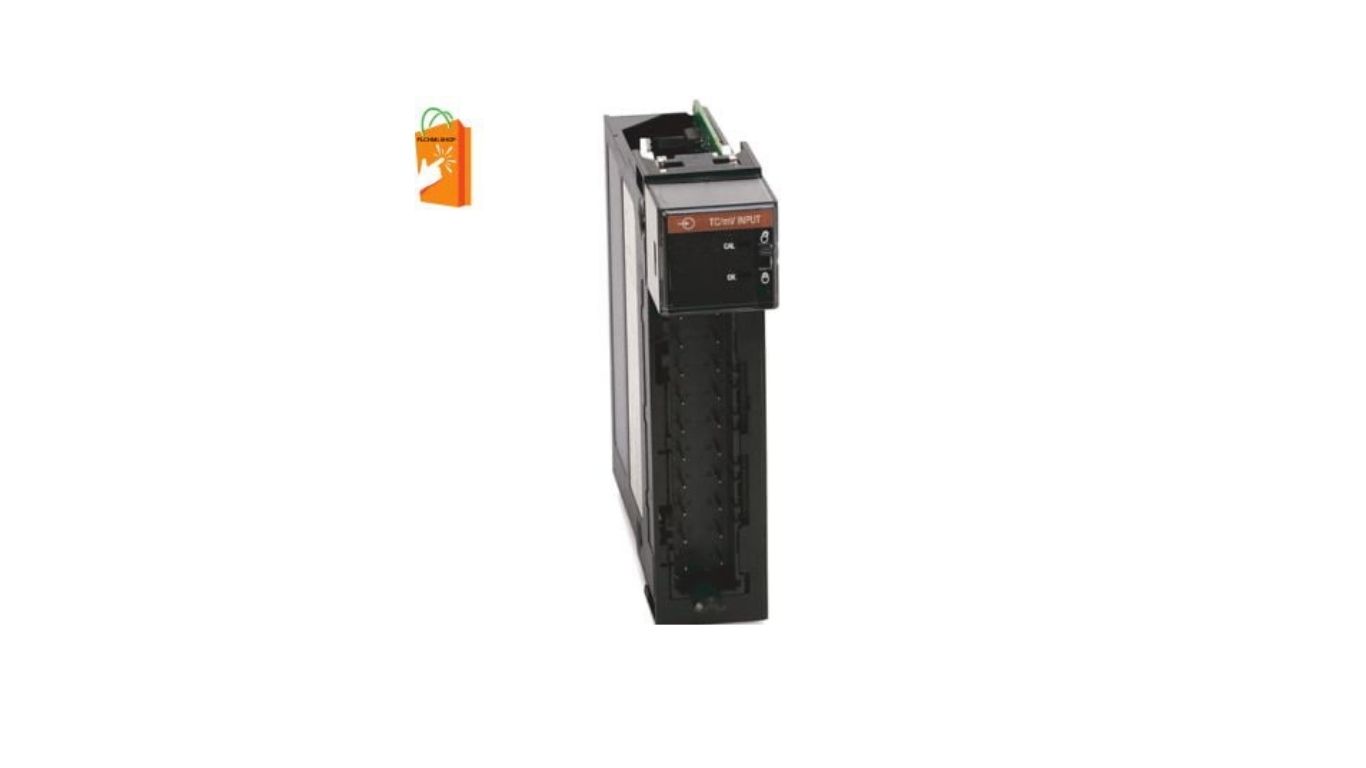
In modern industrial operations, maintaining accurate and stable temperature control is essential for safety, efficiency, and product quality. Advanced temperature input and control solutions such as ALLEN BRADLEY 1756-IT6I2 and ALLEN BRADLEY 1403-CF003 are often referenced when discussing high-performance thermal monitoring, as they represent the level of precision and reliability required in demanding environments where even minor temperature deviations can lead to significant operational issues.
The Importance of Precision Temperature Control
Temperature plays a critical role in nearly every industrial process. From chemical reactions and material processing to energy generation and food production, accurate thermal management directly impacts outcomes.
Why Accuracy Matters in Industrial Processes
Small temperature variations can result in:
- Reduced product consistency
- Increased waste and rework
- Equipment stress and premature failure
- Safety risks for personnel
Precision control ensures processes stay within defined thermal limits, supporting stable operations and predictable results.
The Cost of Poor Temperature Management
In demanding environments, inaccurate temperature data can lead to costly downtime. Overheating, thermal shock, or undetected cold zones may damage equipment or compromise product integrity. Reliable temperature monitoring helps prevent these issues before they escalate.
Challenges in Demanding Industrial Environments
Industrial settings are rarely ideal for sensitive measurement systems. Temperature control solutions must perform reliably under harsh conditions.
Extreme Operating Conditions
Many facilities operate under:
- High ambient temperatures
- Electrical noise and vibration
- Exposure to moisture, dust, or chemicals
Temperature control systems must be robust enough to maintain accuracy despite these challenges.
Process Complexity and Scale
Large-scale operations often involve multiple temperature zones and sensor types. Coordinating data from numerous inputs while maintaining real-time responsiveness is a significant challenge that requires well-designed control architectures.
Core Components of Effective Temperature Control Systems
To achieve precision, industrial temperature control relies on a combination of hardware, software, and integration strategies.
High-Quality Temperature Sensors
Accurate temperature control starts with reliable sensors. Common sensor types include:
- Resistance-based sensors for high accuracy
- Thermoelectric sensors for wide temperature ranges
Selecting the appropriate sensor type is essential for matching process requirements.
Signal Conditioning and Data Integrity
Raw sensor signals must be properly conditioned to ensure accuracy. This includes filtering noise, compensating for signal drift, and maintaining resolution across the operating range. Clean, stable data enables precise control decisions.
Integration with Industrial Control Systems
Temperature control does not operate in isolation. It must integrate seamlessly with broader automation and monitoring systems.
Centralized Monitoring and Control
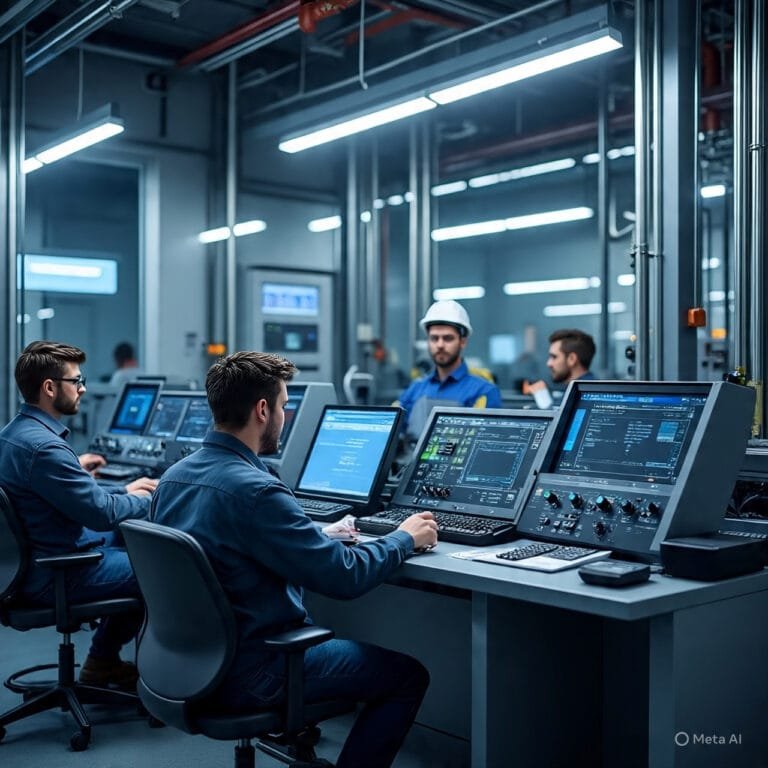
By consolidating temperature data into centralized control platforms, operators gain a comprehensive view of process conditions. This enables faster response to deviations and supports advanced control strategies such as predictive adjustments.
Real-Time Feedback and Automation
Automated temperature control relies on real-time feedback loops. Continuous data analysis allows systems to make immediate corrections, maintaining optimal conditions without manual intervention.
Enhancing Efficiency Through Precision Control
Accurate temperature management contributes directly to operational efficiency and sustainability.
Energy Optimization
Precise control reduces unnecessary heating or cooling, lowering energy consumption. Over time, this leads to significant cost savings and a reduced environmental footprint.
Improved Product Quality
Consistent temperature conditions ensure uniform processing, resulting in higher-quality outputs and fewer defects. This consistency strengthens customer confidence and reduces returns or recalls.
Safety and Compliance Considerations
In many industries, temperature control is closely tied to safety and regulatory compliance.
Protecting Personnel and Equipment
Maintaining safe temperature limits prevents hazardous situations such as overheating, fires, or pressure buildup. Reliable monitoring systems provide early warnings, allowing preventive action.
Meeting Industry Standards
Many regulations require documented temperature control and traceability. Accurate measurement and data logging support compliance with quality and safety standards across regulated industries.
Scalability and Future-Proofing Temperature Control
As industrial operations evolve, temperature control systems must adapt.
Supporting Expansion and Upgrades
Scalable temperature control architectures allow facilities to add new processes or expand existing ones without redesigning the entire system. Flexibility ensures long-term value and adaptability.
Preparing for Advanced Analytics
Accurate temperature data forms the foundation for advanced analytics, including predictive maintenance and process optimization. High-quality data enables smarter decision-making as digital transformation progresses.
Conclusion
Precision temperature control is a cornerstone of reliable and efficient industrial operations, particularly in environments where conditions are harsh and tolerances are tight. By leveraging advanced monitoring and control principles commonly associated with solutions like ALLEN BRADLEY 1756-IT6I2 and ALLEN BRADLEY 1403-CF003, industries can achieve stable processes, improved safety, and long-term operational excellence while meeting the demands of modern manufacturing and processing environments.