The Role of High-Performance Contactors in Reliable Power Management
Introduction
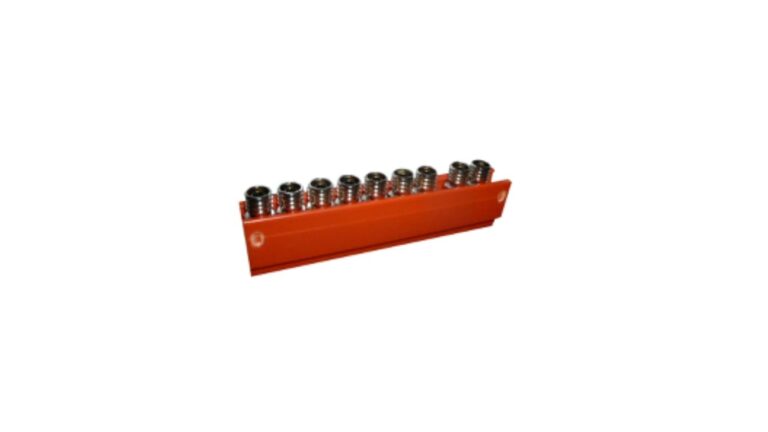
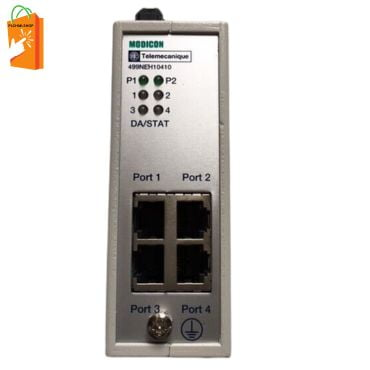
In modern electrical systems, maintaining reliable power management is essential for both industrial and commercial applications. High-performance contactors are critical components that ensure consistent operation of machinery, lighting, and other electrical loads. Products such as SCHNEIDER ELECTRIC 499NEH14100 are examples of contactors that deliver superior reliability, durability, and efficiency in demanding environments. These devices play a central role in reducing downtime, preventing equipment damage, and improving overall energy management.
High-performance contactors are particularly valuable in systems where frequent switching occurs or where precise control of large electrical currents is required. Their ability to handle high inrush currents without degradation makes them indispensable in modern power systems.
Understanding High-Performance Contactors
What Is a Contactor?
A contactor is an electromechanical switch used to control power flow to electrical devices. Unlike regular switches, contactors are designed to manage high-voltage and high-current circuits safely. They are often used in applications such as motor control, lighting circuits, heating systems, and other industrial equipment.
Key Components
High-performance contactors typically include:
- Coil: Generates a magnetic field that moves the contacts when energized.
- Contacts: The conductive parts that open and close the circuit.
- Arc Suppression Systems: Protects the contacts from wear caused by electrical arcing.
- Auxiliary Contacts: Provide additional signals for control systems or indicators.
Each of these components is designed to withstand repeated operations while maintaining performance, making high-performance contactors ideal for industrial environments.
Benefits of High-Performance Contactors
1. Enhanced Reliability
High-performance contactors are built to endure millions of operations without failure. Their robust design ensures that critical machinery and electrical systems remain operational, reducing the risk of unexpected downtime.
2. Improved Safety
By handling high currents safely, contactors prevent overheating, electrical arcs, and other hazards. This ensures the protection of both equipment and personnel.
3. Energy Efficiency
Advanced contactors minimize energy losses during switching operations. Their precise control allows systems to operate efficiently, reducing unnecessary energy consumption.
4. Flexibility in Applications
These devices can be used in various applications, including motor starters, lighting systems, and HVAC systems. They are suitable for both single-phase and three-phase operations, making them versatile in power management systems.
How Contactors Contribute to Reliable Power Management
Preventing Equipment Damage
High-performance contactors safeguard electrical devices from voltage spikes, surges, and overcurrent conditions. By controlling the switching process accurately, they prevent sudden electrical stress that could damage motors or other sensitive equipment.
Ensuring Continuous Operation
In industrial environments, uninterrupted power is critical. Contactors provide rapid switching capabilities, ensuring that machinery continues to operate smoothly without downtime caused by manual intervention or system faults.
Integration with Control Systems
Contemporary contactors can be integrated into automated control systems, allowing operators to manage complex power networks more effectively. This integration supports predictive maintenance and system optimization, which enhances overall reliability.
Applications of High-Performance Contactors
Industrial Motor Control
Motors are among the most demanding electrical loads, often requiring frequent start-stop cycles. High-performance contactors handle the high inrush current during motor startup while maintaining long operational life.
Lighting and HVAC Systems
Large commercial lighting circuits and HVAC systems benefit from contactors by enabling centralized control and scheduling. This reduces energy consumption and improves operational efficiency.
Automation and Manufacturing
Modern manufacturing processes require precise timing and coordination of machinery. Contactors provide the fast, reliable switching needed to synchronize operations and maintain consistent production quality.
Renewable Energy Systems
Contactors are increasingly used in solar and wind power systems to safely connect and disconnect energy sources, protecting inverters and other critical components.
Maintenance and Longevity
Routine Inspection
High-performance contactors require regular inspection to ensure optimal performance. Checking for signs of wear, overheating, or contact erosion is essential to prevent system failures.
Replacement of Worn Components
Even high-quality contactors will experience wear over time. Replacing coils, contacts, or auxiliary components as needed ensures continued reliability.
Monitoring Operational Performance
Many modern systems include sensors and monitoring tools that track the performance of contactors. Data-driven maintenance helps avoid unexpected failures and extends the life of the equipment.
Future Trends in Contactor Technology
Smart Integration
Integration with digital control systems allows contactors to communicate status, alert operators to potential issues, and optimize switching schedules.
Enhanced Durability
Materials technology continues to improve, allowing contactors to handle higher currents, reduce wear, and operate in harsher environments without sacrificing performance.
Energy Optimization
Next-generation contactors are designed to further minimize energy losses during switching, contributing to more sustainable and efficient power management solutions.
Conclusion
High-performance contactors are indispensable for modern power management, offering reliability, safety, and efficiency across a wide range of applications. They protect equipment, ensure continuous operation, and enable integration with advanced control systems. In modern industrial environments, contactors not only support operational needs but also contribute to long-term energy savings.
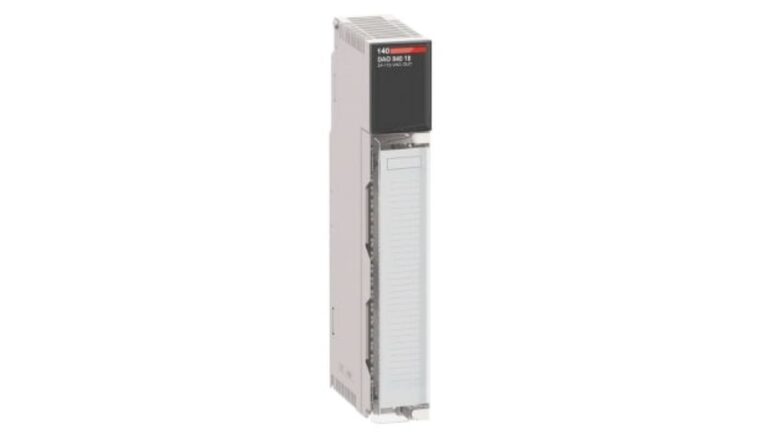
Advanced devices such as the TSXDSY64T2K Discrete output module, Modicon Premium exemplify how modern automation and power control solutions complement high-performance contactors. Together, these technologies redefine the way industries and commercial facilities manage electrical power, ensuring efficiency, reliability, and enhanced operational control for the future.