The Role of Precision Engineering in Electrical Protection Equipment
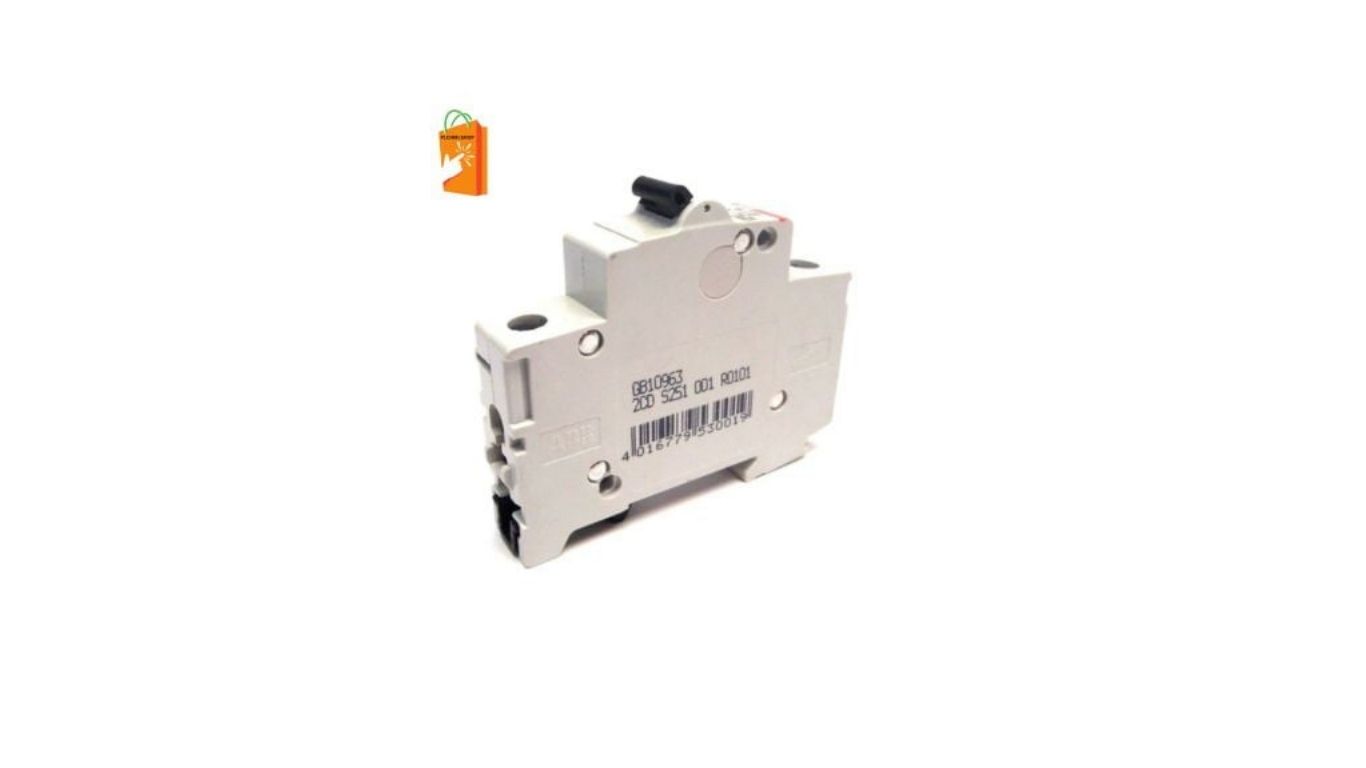
Precision engineering plays a critical role in the design, performance, and reliability of electrical protection equipment used across industrial, commercial, and infrastructure environments. In systems where safety, continuity, and accuracy are non-negotiable, finely engineered protection components ensure that electrical networks operate within safe limits. From advanced circuit protection devices to intelligent control modules, precision manufacturing enables consistent performance under demanding conditions. Components such as ABB BREAKER POLE S251-L10 and 140DAI34000 Modicon Quantum are often referenced in technical discussions because they represent the level of accuracy and reliability modern electrical systems demand.
Understanding Precision Engineering in Electrical Systems
What Precision Engineering Means in Practice
Precision engineering refers to the design and manufacturing approach that focuses on extremely tight tolerances, exact measurements, and consistent quality. In electrical protection equipment, this ensures that components respond accurately to electrical faults such as overloads, short circuits, and voltage irregularities.
Unlike general mechanical manufacturing, precision engineering emphasizes repeatability and reliability. Even minor deviations in component dimensions or material properties can lead to malfunction or failure, making precision a foundational requirement rather than a luxury.
Why Accuracy Matters in Electrical Protection
Electrical protection devices are designed to act instantly when abnormal conditions occur. Precision-engineered parts ensure that trip thresholds, response times, and load capacities remain stable throughout the equipment’s lifecycle. This accuracy protects not only electrical infrastructure but also human safety and connected equipment.
Precision Engineering and Safety Performance
Consistent Fault Detection
One of the primary goals of electrical protection equipment is reliable fault detection. Precision-engineered components allow devices to distinguish between normal fluctuations and dangerous conditions. This prevents unnecessary shutdowns while ensuring genuine faults are addressed immediately.
High-accuracy sensors, calibrated contacts, and finely tuned mechanical elements all contribute to dependable fault recognition, even in complex electrical environments.
Minimizing Risk of Failure
Electrical failures can lead to fires, equipment damage, or production downtime. Precision engineering minimizes these risks by ensuring each component performs exactly as designed. Uniform material quality and exact assembly reduce wear, misalignment, and mechanical stress over time.
Enhancing Reliability in Industrial Applications
Demanding Operating Conditions
Industrial environments often expose electrical systems to heat, vibration, dust, and continuous operation. Precision-engineered protection equipment is built to withstand these challenges while maintaining consistent performance.
Through careful material selection and exact manufacturing processes, components maintain structural integrity and electrical accuracy even under harsh conditions.
Long-Term Operational Stability
Reliability is measured not only by initial performance but also by longevity. Precision engineering ensures that protective devices maintain their specifications over years of use. Stable calibration and reduced component degradation contribute to predictable and dependable system behavior.
Integration with Advanced Control Systems
Compatibility with Automation
Modern electrical protection equipment is increasingly integrated with automated control and monitoring systems. Precision engineering ensures seamless compatibility with digital inputs, communication protocols, and programmable controllers.
Devices engineered with exact electrical and mechanical characteristics can exchange data accurately, enabling real-time monitoring and predictive maintenance.
Supporting Intelligent Decision-Making
Accurate data depends on precise measurement. Precision-engineered electrical components provide reliable feedback on current, voltage, and system status. This data allows control systems to make informed decisions that enhance efficiency and prevent failures.
Manufacturing Processes That Enable Precision
Advanced Machining and Assembly
Achieving high precision requires advanced machining techniques such as CNC manufacturing, laser cutting, and automated assembly. These methods allow manufacturers to produce components with consistent dimensions and minimal variation.
Automated quality checks further ensure that each unit meets strict performance criteria before deployment.
Rigorous Testing and Calibration
Precision engineering extends beyond production into testing and validation. Electrical protection equipment undergoes extensive testing to confirm response accuracy, endurance, and environmental resistance. Calibration processes ensure that operational thresholds remain within exact specifications.
The Impact on Energy Efficiency
Reducing Power Loss
Accurately engineered components reduce internal resistance and heat generation. This improves energy efficiency by minimizing power loss during normal operation. Over time, this contributes to lower operating costs and reduced environmental impact.
Optimizing System Performance
Precision in electrical protection allows systems to operate closer to optimal performance limits without compromising safety. This balance between efficiency and protection is essential in modern energy management strategies.
Supporting Scalability and System Expansion
Consistent Performance Across Installations
Precision-engineered equipment delivers uniform performance across multiple installations. This consistency simplifies system design and expansion, as engineers can rely on predictable behavior regardless of scale.
Adapting to Future Requirements
As electrical systems evolve, protection equipment must adapt to higher loads, smarter grids, and advanced monitoring. Precision engineering provides the flexibility and accuracy needed to meet future technical demands without compromising safety.
The Importance of Standardization and Compliance
Meeting International Safety Standards
Electrical protection equipment must comply with strict safety and performance standards. Precision engineering enables manufacturers to meet these requirements consistently, ensuring global compatibility and regulatory approval.
Ensuring Interoperability
Standardized, precisely engineered components work seamlessly with other system elements. This interoperability reduces installation complexity and supports long-term system reliability.
Conclusion
Precision engineering is the backbone of reliable, safe, and efficient electrical protection equipment. By ensuring accuracy, consistency, and durability, it allows modern electrical systems to operate confidently under a wide range of conditions. From fault detection to system integration, precision-driven design enhances every aspect of performance. Components such as ABB BREAKER POLE S251-L10 and 140DAI34000 Modicon Quantum highlight the importance of exact engineering standards in meeting today’s electrical safety and automation needs. As technology continues to advance, precision engineering will remain essential in shaping the future of electrical protection solutions.