The Role Of Specialized Controllers In Reducing Operational Downtime Risks
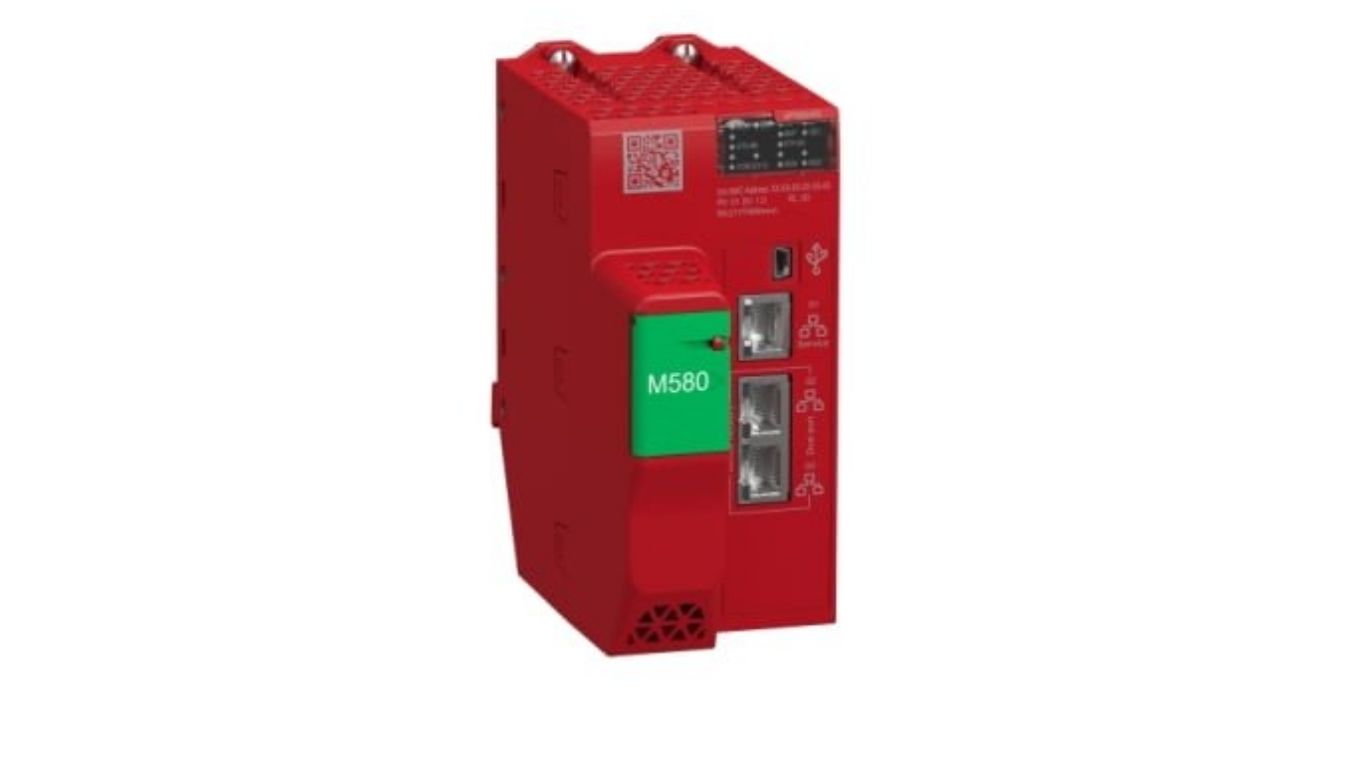
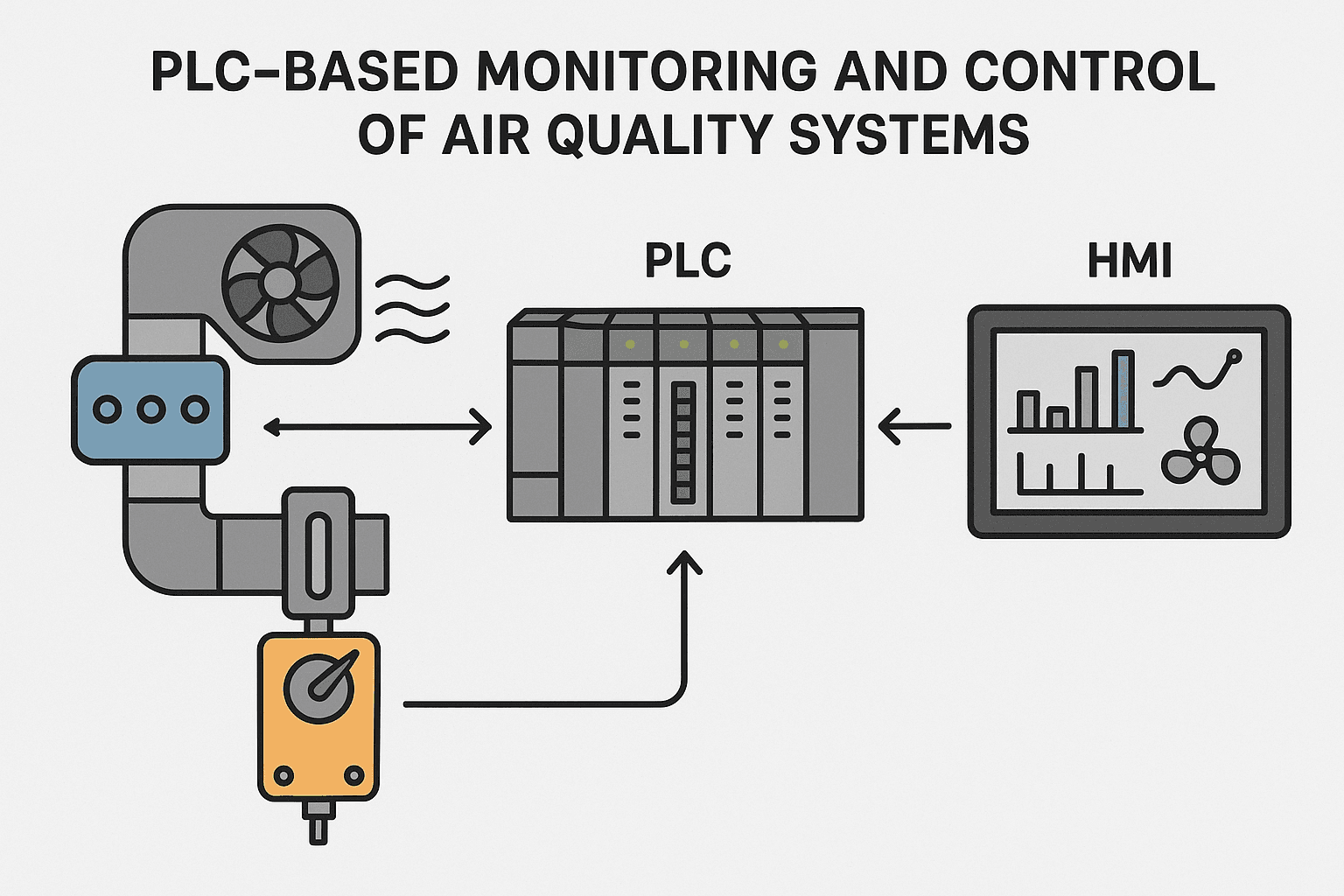
Operational downtime is one of the most costly challenges faced by industrial and process-driven environments. Whether caused by equipment failure, human error, or system integration issues, downtime disrupts productivity, compromises safety, and impacts profitability. Specialized controllers play a critical role in minimizing these risks by ensuring stable, predictable, and resilient operations across complex systems, with solutions such as BMEP586040S – Standalone Safety processor, Modicon M580 enabling independent safety management without interfering with core control functions. By separating critical functions, enhancing communication reliability, and enabling proactive monitoring, these controllers form the backbone of modern industrial reliability strategies.
Understanding Operational Downtime In Industrial Environments
Downtime is not limited to complete system shutdowns. It can also include reduced performance, intermittent failures, or safety-related stoppages that halt production until conditions are restored.
Common Causes Of Downtime
- Hardware malfunctions and component aging
- Software logic conflicts or overload
- Communication failures between system layers
- Safety incidents triggering emergency stops
- Inadequate system segregation
Specialized controllers are designed to address these challenges at both the architectural and operational levels.
Why Specialized Controllers Are Essential
Unlike general-purpose control units, specialized controllers are engineered to handle defined tasks with high reliability. Their focused design allows them to perform consistently under demanding conditions.
Dedicated Functionality For Critical Tasks
Specialized controllers manage specific responsibilities such as safety logic, data exchange, or process synchronization. By isolating these tasks, they reduce system complexity and prevent cascading failures.
Increased System Resilience
When a control architecture distributes responsibilities across multiple specialized units, failures are localized. This containment ensures that a single issue does not bring down the entire operation.
Safety-Oriented Controllers And Downtime Prevention
Safety-related shutdowns are among the most disruptive downtime events. Specialized safety controllers significantly reduce unnecessary stoppages while maintaining protection.
Independent Safety Processing
Solutions such as BMEP586040S – Standalone Safety processor, Modicon M580 demonstrate how independent safety processing can function separately from standard control logic. This separation ensures that safety evaluations remain active even during maintenance or system updates.
Benefits Of Standalone Safety Processing
- Continuous monitoring of hazardous conditions
- Faster response times to abnormal events
- Reduced false trips caused by non-safety logic
- Improved compliance with safety regulations
By maintaining operational continuity during non-critical issues, these controllers help avoid unplanned downtime.
Communication Reliability As A Downtime Mitigation Strategy
A significant portion of downtime stems from data exchange failures. Specialized communication controllers are designed to ensure stable and deterministic information flow.
The Importance Of Dedicated Communication Modules
Modules like TSXSCY21601 – Communication module, Modicon Premium illustrate how dedicated communication handling improves system reliability. These modules manage data transmission independently, preventing congestion and signal loss.
Key Advantages Of Dedicated Communication Control
- Consistent data transfer across networks
- Reduced latency in time-sensitive operations
- Improved fault detection and diagnostics
- Isolation of communication errors from core logic
Reliable communication ensures that controllers, sensors, and actuators operate in harmony, reducing the risk of process interruptions.
Modular Architectures Reduce Downtime Impact
Modern control systems increasingly rely on modular designs. Specialized controllers are central to this approach.
Fault Isolation Through Modularity
When each controller is responsible for a specific function, faults are easier to identify and isolate. Maintenance teams can address issues without shutting down the entire system.
Scalability Without Disruption
Specialized controllers allow system expansion or upgrades without major operational interruptions. New modules can be added while existing processes continue running.
Predictive Maintenance And Diagnostics
Downtime prevention is not only about reacting to failures but also about anticipating them. Specialized controllers support advanced diagnostics and predictive maintenance strategies.
Continuous Health Monitoring
By collecting detailed performance data, controllers can detect early signs of degradation. This enables planned maintenance rather than emergency repairs.
Faster Troubleshooting
Clear separation of control, safety, and communication functions simplifies diagnostics. Technicians can quickly pinpoint the affected area, reducing mean time to repair (MTTR).
Enhancing Operator Confidence And Decision-Making
Human factors also contribute to downtime. Specialized controllers improve system transparency and reliability, supporting better operator decisions.
Clear System Feedback
Dedicated controllers provide accurate and timely feedback on system status, alarms, and trends. This clarity reduces operator stress and the likelihood of incorrect actions.
Consistent System Behavior
Predictable controller performance builds trust. Operators are less likely to intervene unnecessarily, avoiding accidental disruptions.
Long-Term Cost And Productivity Benefits
Reducing downtime has a direct impact on operational costs and output. Specialized controllers contribute to long-term efficiency in several ways.
Lower Maintenance Costs
Targeted maintenance and fewer emergency repairs reduce labor and replacement expenses.
Improved Asset Lifespan
Stable operation minimizes wear and tear on mechanical components, extending equipment life.
Higher Production Availability
With fewer interruptions, facilities achieve higher utilization rates and more consistent output.
Conclusion
Specialized controllers play a vital role in reducing operational downtime risks by delivering focused functionality, improved reliability, and resilient system architectures. Through independent safety processing, reliable communication management, modular design, and advanced diagnostics, these controllers help organizations maintain continuous operations even in complex environments.
Incorporating solutions such as BMEP586040S – Standalone Safety processor, Modicon M580 and TSXSCY21601 – Communication module, Modicon Premium into a well-planned control strategy allows industries to move from reactive problem-solving to proactive uptime management. As operational demands continue to grow, the importance of specialized controllers in ensuring stability and productivity will only increase.