Why Accurate Electrical Data Matters for Industrial Performance Optimization
Modern industrial environments depend heavily on stable and efficient electrical systems. From manufacturing plants to large commercial facilities, electrical infrastructure powers critical machinery, automation systems, and operational technologies. When electrical performance is not properly monitored, facilities may face unexpected downtime, equipment damage, higher energy costs, and safety risks. Accurate electrical data plays a vital role in ensuring that operations run smoothly and efficiently.
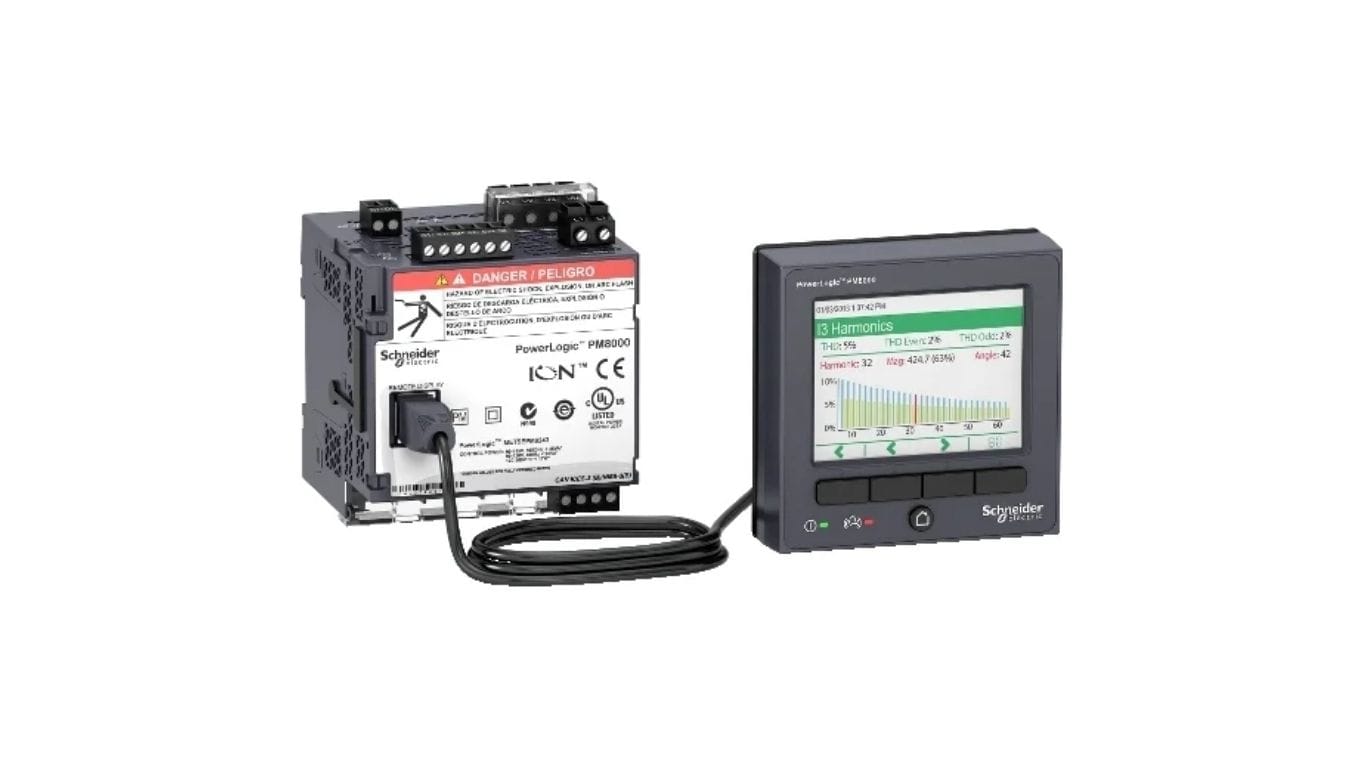
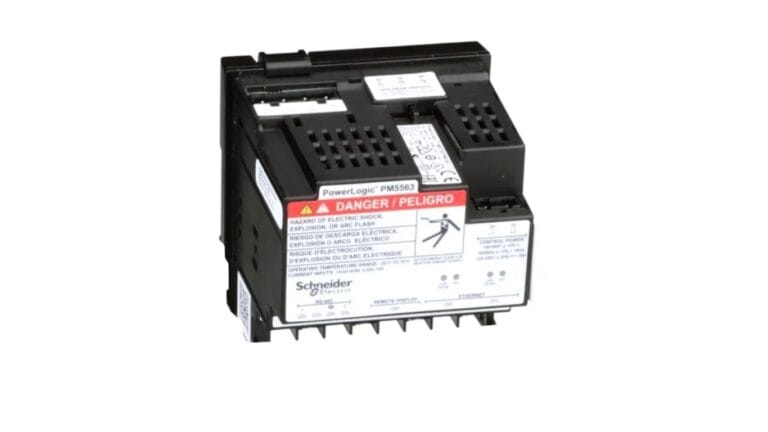
In large-scale facilities, even minor fluctuations in voltage, current, or power quality can lead to significant operational issues. Electrical monitoring systems allow facility managers and engineers to track performance in real time, identify irregularities, and make informed decisions that improve productivity and reliability. Advanced monitoring solutions such as METSEPM8244 – Power quality meter, PowerLogic PM8000 and METSEPM5563RD – power meter PowerLogic PM5563 provide detailed insights into electrical behavior, helping industries maintain stable operations and reduce costly interruptions.
The Importance of Electrical Data in Industrial Facilities
Industrial processes rely on precise electrical conditions to operate correctly. Machines, motors, drives, and automation systems require consistent voltage and frequency levels. Without accurate monitoring, it becomes difficult to detect abnormalities that may affect performance.
Electrical data provides insights into several important aspects of power systems, including:
- Voltage stability
- Current flow and load distribution
- Power factor performance
- Harmonic distortions
- Energy consumption patterns
By analyzing this data, engineers can detect inefficiencies, identify potential equipment failures, and optimize system performance. This proactive approach helps industries avoid reactive maintenance, which often leads to unexpected downtime and higher repair costs.
How Electrical Monitoring Improves Operational Efficiency
Real-Time Visibility
One of the biggest advantages of accurate electrical monitoring is real-time visibility. Engineers can track power conditions across the entire facility and quickly identify irregularities. For example, sudden voltage drops or unusual current spikes can indicate equipment malfunction or wiring issues.
Real-time monitoring allows teams to respond immediately before minor issues turn into major failures.
Preventive Maintenance
Electrical data helps maintenance teams implement predictive and preventive maintenance strategies. Instead of waiting for equipment to fail, engineers can analyze historical trends and detect early warning signs such as overheating circuits, abnormal load patterns, or harmonic distortions.
This approach significantly reduces downtime and improves equipment lifespan.
Energy Efficiency Optimization
Energy consumption is one of the largest operational costs in industrial facilities. Accurate electrical data helps organizations track where energy is being used and identify inefficiencies.
With detailed monitoring, facility managers can:
- Optimize load distribution
- Improve power factor
- Reduce energy waste
- Lower operational costs
These improvements contribute directly to better industrial performance and sustainability.
Role of Power Quality Monitoring in Industrial Systems
Power quality issues are one of the most common causes of equipment malfunction in industrial facilities. Disturbances such as voltage sags, spikes, harmonics, and frequency fluctuations can damage sensitive electronics and disrupt production lines.
Monitoring power quality helps identify these disturbances and determine their root causes. Once identified, engineers can implement corrective measures such as improved grounding, filtering systems, or load balancing.
Consistent power quality ensures that machines operate within their designed electrical parameters, which improves reliability and reduces maintenance costs.
Data-Driven Decision Making in Industrial Energy Management
Accurate electrical data enables organizations to move toward data-driven decision-making. Instead of relying on assumptions, facility managers can analyze real operational data to optimize their systems.
For example, electrical monitoring data can help identify:
- Peak demand periods
- Underutilized equipment
- Inefficient load distribution
- Areas with excessive energy consumption
By understanding these patterns, industries can implement smarter energy management strategies, reduce waste, and improve operational productivity.
Data-driven insights also support long-term infrastructure planning. Organizations can make better investment decisions when upgrading electrical systems, installing new equipment, or expanding facilities.
The Common Alerts, Alarms, and Errors of Product XYZ
Below is a sample table showing common alerts and error conditions that may appear in an advanced electrical monitoring device.
| Alert / Alarm Type | Possible Cause | Impact on System | Recommended Action |
| Overvoltage Alert | Sudden increase in supply voltage | Equipment stress or damage | Inspect power source and stabilize voltage |
| Undervoltage Alarm | Voltage drop below safe limit | Machines may stop or malfunction | Check load balance and supply connections |
| Overcurrent Error | Excessive current draw | Risk of overheating and equipment damage | Inspect connected loads and wiring |
| Power Factor Warning | Low power factor due to reactive loads | Increased energy costs | Install correction capacitors |
| Harmonic Distortion Alert | Non-linear loads in system | Reduced equipment efficiency | Use harmonic filters |
| Communication Error | Network connection failure | Monitoring data unavailable | Check network configuration |
| Temperature Alarm | Internal device overheating | Potential device failure | Improve ventilation or cooling |
| Phase Imbalance Warning | Unequal load on phases | Reduced motor efficiency | Balance load across phases |
These alerts help maintenance teams quickly identify system issues and take corrective action before problems escalate.
Benefits of Accurate Electrical Monitoring for Industrial Performance
Accurate electrical data offers several advantages for industrial organizations:
Reduced Downtime
Real-time monitoring helps detect issues early, allowing maintenance teams to resolve them before they cause major disruptions.
Improved Equipment Lifespan
Electrical abnormalities such as voltage spikes or harmonic distortion can shorten equipment life. Monitoring helps maintain stable operating conditions.
Better Safety
Electrical faults can lead to dangerous situations such as overheating, electrical fires, or equipment explosions. Monitoring systems help detect and prevent these hazards.
Enhanced Productivity
Stable electrical infrastructure ensures that production lines operate consistently without unexpected interruptions.
Cost Savings
Optimizing energy consumption and preventing equipment failures helps organizations significantly reduce operational costs.
Conclusion
Accurate electrical data has become an essential component of modern industrial operations. With increasing automation, digitalization, and energy demands, organizations must maintain precise control over their electrical infrastructure. Monitoring systems provide valuable insights into power quality, energy consumption, and equipment performance, allowing industries to improve reliability and efficiency.
Advanced monitoring solutions such as METSEPM8244 – Power quality meter, PowerLogic PM8000 and METSEPM5563RD – power meter PowerLogic PM5563 support organizations in achieving better operational visibility, stronger energy management strategies, and improved industrial performance. By leveraging accurate electrical data, industries can build more resilient, efficient, and sustainable operations for the future.