Why Expansion Modules Are Key for Scalable Automation Solutions
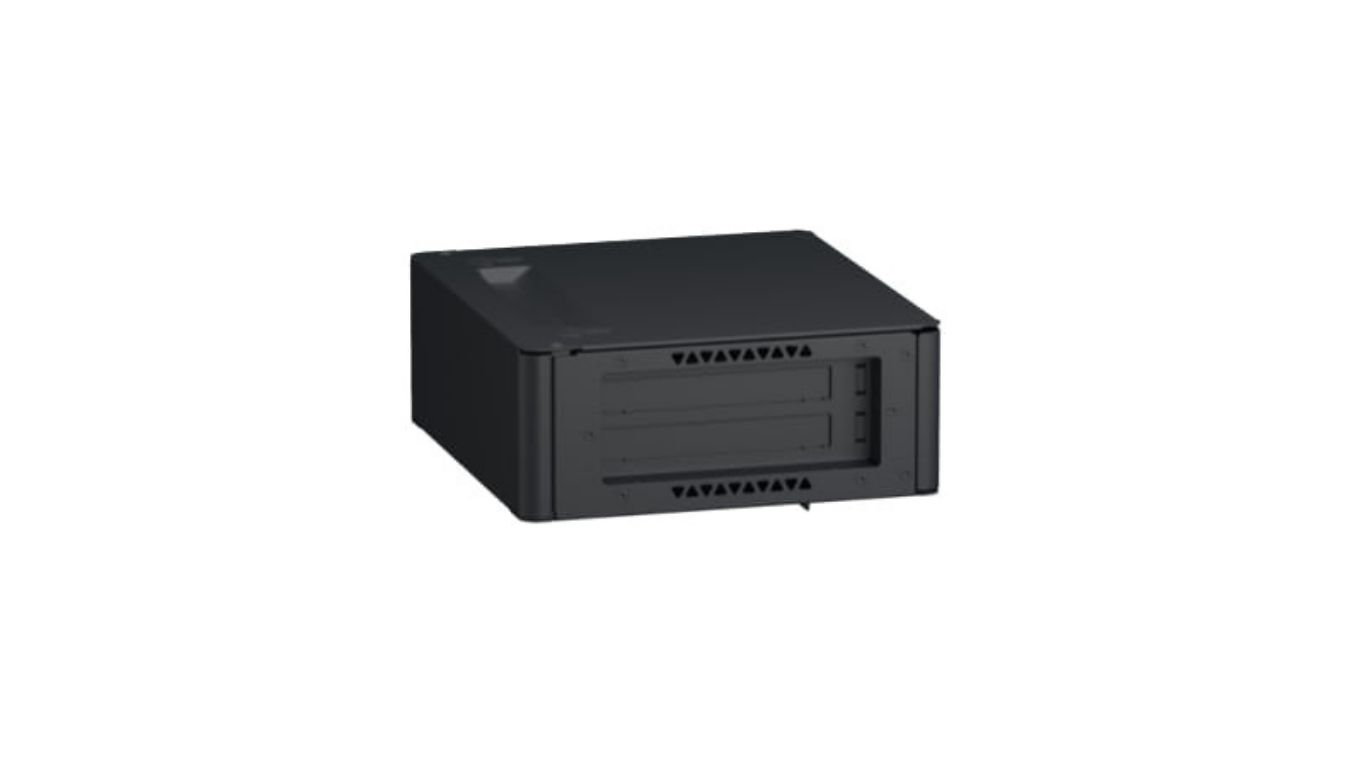
In modern industrial automation, scalability is essential for companies looking to adapt to changing production demands. The SIEMENS 6ES53403KB31 EXPANSION MODULE Harmony plays a critical role in ensuring that control systems can grow without the need for complete overhauls. By adding functionality, improving connectivity, and increasing input/output capabilities, this expansion module allows organizations to optimize operations efficiently while maintaining reliability and performance.
Understanding Expansion Modules in Automation
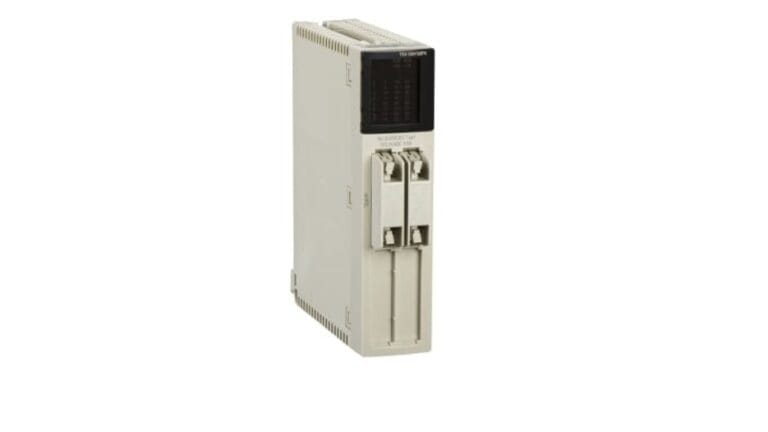
Expansion modules are additional units connected to a primary controller or programmable logic system. These modules extend the capabilities of the main controller, enabling the system to handle more inputs, outputs, or communication protocols without replacing the core system. For industries experiencing growth or shifting production requirements, this modular approach provides a cost-effective and flexible solution.
Enhancing System Flexibility
One of the primary advantages of expansion modules is the ability to customize and scale the system according to operational needs. Instead of replacing the entire controller to handle additional inputs or functionalities, companies can install expansion modules tailored to specific requirements. This flexibility reduces downtime, simplifies upgrades, and ensures that the control system can evolve with production demands.
Reducing Costs with Modular Design
Modular systems save organizations significant resources. Expansion modules reduce the need for complete system replacement and minimize installation costs. Additionally, by using standardized modules, maintenance and troubleshooting become easier, lowering operational expenses. In many cases, the initial investment in a modular system pays off quickly due to long-term savings and improved system efficiency.
Key Features of Effective Expansion Modules
Expansion modules are not all created equal. To ensure optimal performance and scalability, certain features must be considered during selection and implementation.
Increased Input/Output Capabilities
Expansion modules allow the addition of digital and analog inputs and outputs. This ensures that controllers can manage a larger number of sensors, actuators, and other devices. Enhanced I/O capabilities are especially important in complex automation environments where precision and control are critical.
Seamless Integration with Existing Systems
A high-quality expansion module integrates seamlessly with the main controller. This ensures consistent performance, reduces configuration errors, and supports smooth communication between modules. Ease of integration is a key factor when planning long-term scalability and system upgrades.
Support for Multiple Communication Protocols
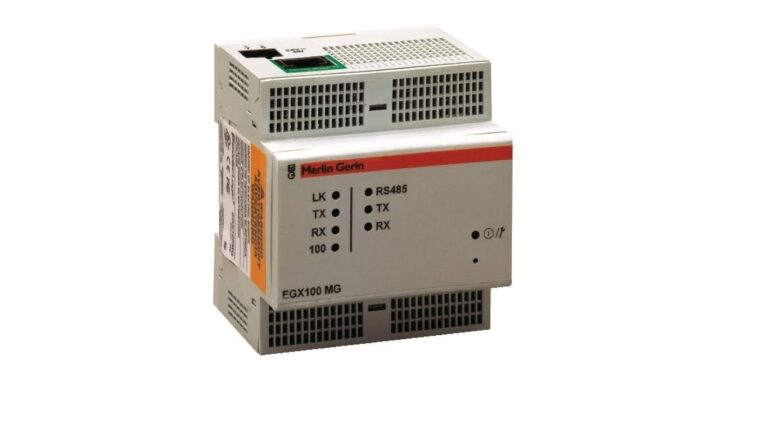
Modern automation systems often rely on a variety of communication standards, including Ethernet/IP, Modbus, and Profibus. Expansion modules that support multiple protocols improve system interoperability, allowing different devices and subsystems to communicate efficiently without requiring additional gateways or converters.
Advantages of Using Expansion Modules in Automation
The adoption of expansion modules brings multiple benefits to industrial automation systems, making them essential for scalable solutions.
Improved Performance and Reliability
By distributing workloads across expansion modules, the main controller is not overburdened. This ensures faster processing times, reduces latency, and improves overall system reliability. In addition, modular design allows for redundancy, which enhances system uptime in critical applications.
Simplified Maintenance and Upgrades
Expansion modules make system maintenance more straightforward. If a module fails, it can be replaced individually without shutting down the entire system. Similarly, upgrades can be performed incrementally, minimizing disruptions and supporting continuous improvement initiatives.
Customization for Specific Applications
Different processes require unique configurations. Expansion modules enable tailored solutions for specific production needs, whether it’s adding specialized I/O, incorporating advanced communication features, or integrating with other automation systems. This customization is key to achieving maximum efficiency and productivity.
Implementation Considerations for Expansion Modules
While expansion modules offer numerous benefits, careful planning is required to maximize their effectiveness. Consider the following factors when integrating modules into your automation system:
Compatibility with Existing Systems
Before installing expansion modules, ensure compatibility with your current controller or programmable logic device. Incompatible modules can lead to communication failures, reduced performance, or system downtime.
Environmental Factors
Industrial environments often involve extreme temperatures, humidity, or electrical noise. Expansion modules should be rated to withstand these conditions to ensure long-term reliability.
Future Scalability
When choosing expansion modules, consider not only current needs but also potential future growth. Selecting modules that allow further expansion ensures your system remains scalable and adaptable as production requirements evolve.
Example of Expansion Module Application
A common scenario in industrial automation involves integrating a SIEMENS 6ES53403KB31 EXPANSION MODULE Harmony into an existing control system. This module can add digital inputs, outputs, or communication capabilities, allowing the system to handle more devices without replacing the main controller. Its modular design ensures seamless integration, reduces installation time, and provides a cost-effective way to enhance system capabilities.
Conclusion
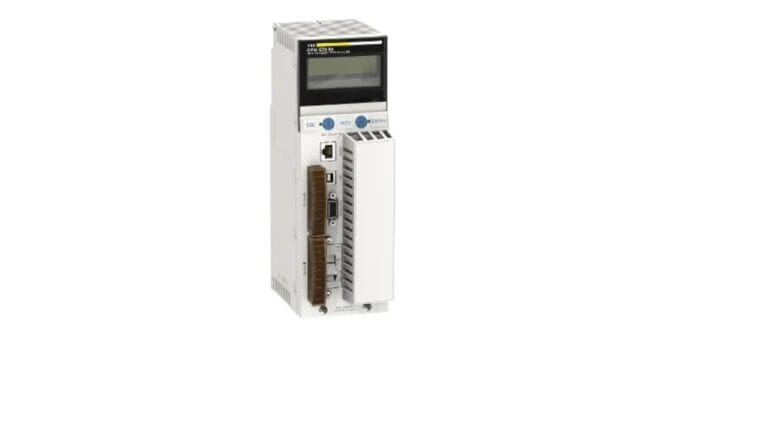
Expansion modules are critical for building scalable, efficient, and reliable automation systems. By increasing input/output capacity, improving communication, and simplifying maintenance, these modules enable organizations to adapt to changing production demands without costly overhauls. Implementing high-quality expansion modules, such as 140DDI84100C Modicon Quantum, ensures that automation systems remain flexible, reliable, and ready for future growth. Just as these modules provide scalable solutions for industrial control, careful planning and selection allow companies to maximize efficiency, minimize downtime, and achieve long-term operational success.