Why Legacy Display Technologies Still Matter In Modern Industrial Equipment
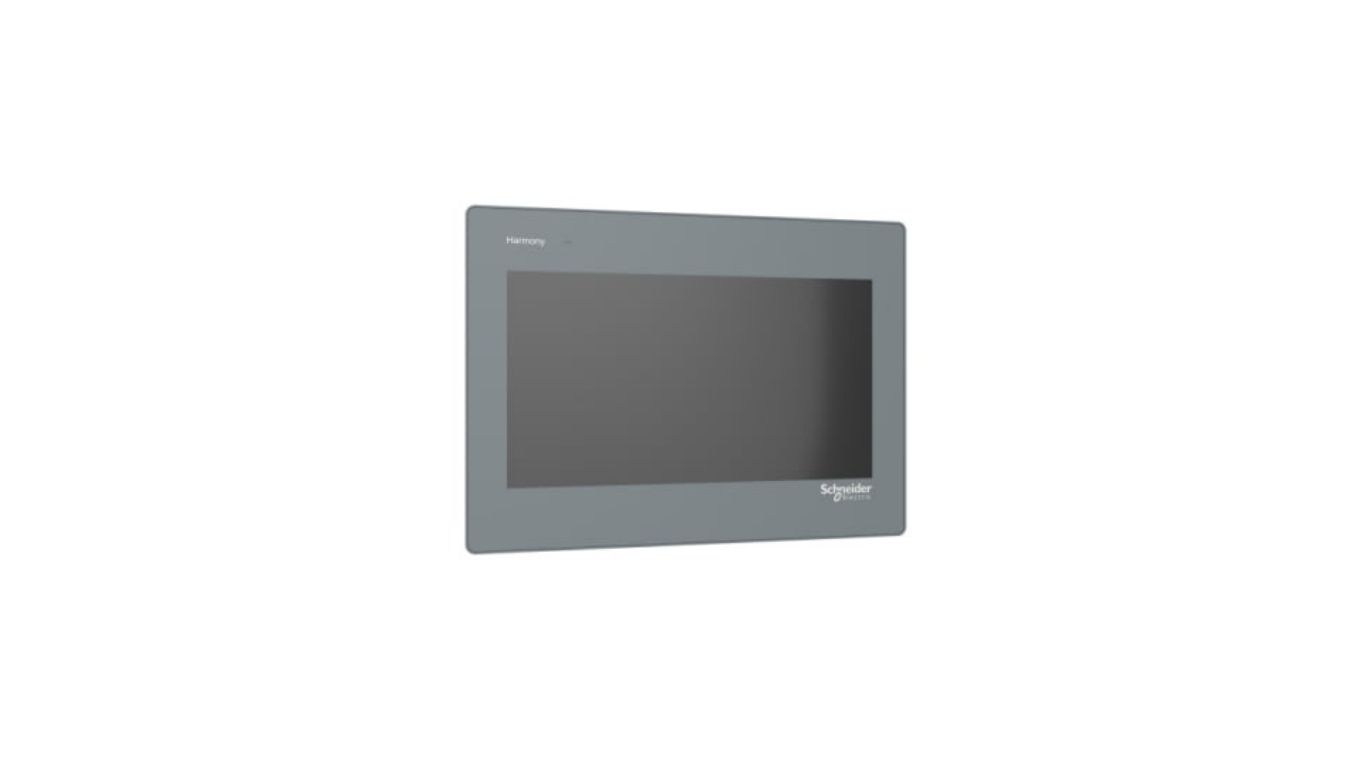
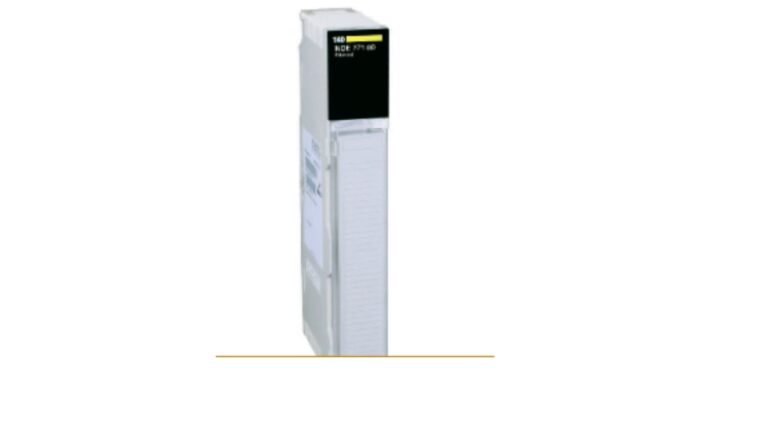
In an era dominated by rapid digital transformation, it is easy to assume that older interface technologies have become obsolete. However, many industrial environments continue to rely on proven solutions that prioritize stability, simplicity, and reliability. One such example is the HMIET6500 Single touch Analogue Resistive, which represents a class of display technologies that remain highly relevant in demanding operational settings. These legacy systems continue to deliver dependable performance where newer technologies may struggle to meet environmental or operational constraints.
Understanding Legacy Display Technologies
What Defines a Legacy Display System
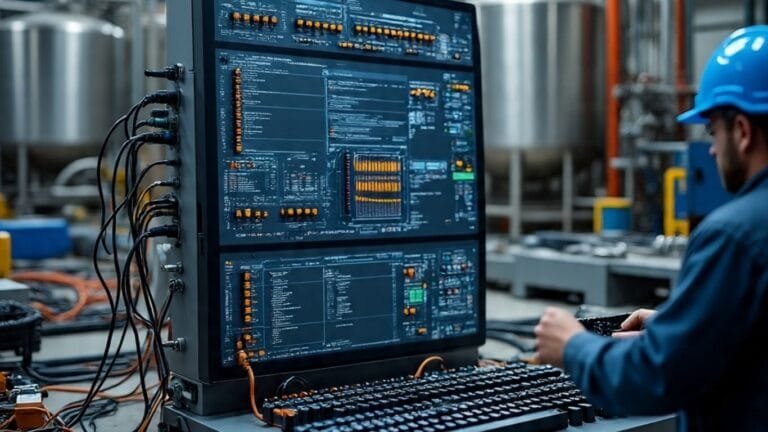
Legacy display technologies generally refer to interface systems that have been in use for many years and are built on mature, well-understood principles. These displays often use straightforward input mechanisms, minimal processing requirements, and robust physical components. Rather than being outdated, they are time-tested solutions refined through decades of real-world industrial use.
Evolution Without Obsolescence
While newer display technologies focus on high resolution, multi-touch capabilities, and advanced graphics, many industrial processes do not require such features. Legacy displays have evolved incrementally, improving durability and compatibility while retaining their original strengths. This balance allows them to remain effective without introducing unnecessary complexity.
Reliability in Harsh Industrial Environments
Resistance to Environmental Stress
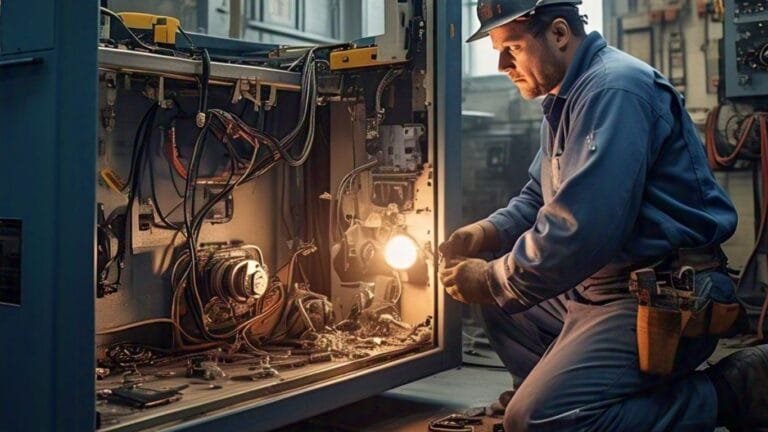
Industrial settings often expose equipment to dust, moisture, temperature fluctuations, vibration, and electrical noise. Legacy display technologies are well-suited to handle these conditions. Their simpler construction and lower sensitivity to interference make them more resilient than some modern alternatives that rely heavily on delicate components.
Consistent Performance Over Time
One of the most significant advantages of legacy displays is their predictable behavior. Operators and maintenance teams value systems that perform consistently over long periods. Fewer software dependencies and simpler electronics reduce the likelihood of unexpected failures, which is critical in continuous production environments.
Ease of Integration With Existing Systems
Compatibility With Established Infrastructure
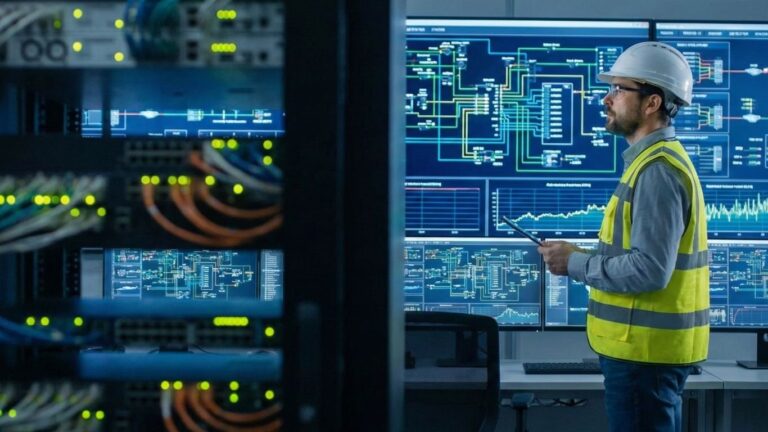
Many facilities operate with control systems that were installed years or even decades ago. Legacy display technologies integrate seamlessly with this existing infrastructure. Replacing them with modern systems can require extensive redesign, retraining, and validation, all of which increase costs and downtime.
Reduced Engineering Complexity
Because these displays are based on familiar standards, engineers can integrate and maintain them with minimal effort. Documentation, spare parts, and expertise are widely available, reducing reliance on specialized skills. This simplicity supports faster troubleshooting and more efficient system upgrades.
Cost Efficiency and Long-Term Value
Lower Initial Investment
Legacy display technologies are often more affordable than cutting-edge alternatives. Their hardware costs are lower, and they do not require powerful processors or advanced graphics capabilities. For applications where basic visualization and input are sufficient, this cost advantage is significant.
Minimized Maintenance Expenses
Over the lifespan of industrial equipment, maintenance costs can exceed the initial purchase price. Legacy systems typically require less frequent servicing and fewer software updates. Their durability and straightforward design contribute to lower total cost of ownership, making them attractive for long-term operations.
Operator Familiarity and Training Benefits
Intuitive User Interaction
Many legacy displays are designed around simple, direct interaction. Operators can quickly understand and use them without extensive training. This is especially valuable in industries with high staff turnover or where temporary operators may be assigned to equipment.
Reduced Risk of Human Error
Complex interfaces can overwhelm users, increasing the risk of mistakes. Legacy display technologies focus on essential information and controls, helping operators make clear, confident decisions. This clarity supports safer and more efficient operations.
Longevity and Supply Chain Stability
Extended Product Lifecycles
Industrial equipment is expected to remain operational for many years. Legacy display technologies often have long production lifecycles, ensuring availability of compatible replacements and spare parts. This longevity reduces the risk of forced upgrades due to discontinued components.
Predictable Support and Availability
Because these technologies are widely adopted, supply chains are stable and well-established. Organizations can plan maintenance and expansions with confidence, knowing that compatible components will remain accessible.
When Legacy Technologies Outperform Modern Alternatives
Applications With Specific Functional Requirements
Not every application benefits from advanced visual features. In environments where gloves are worn, where precision input is less critical, or where displays must function reliably under extreme conditions, legacy solutions often outperform modern touchscreens.
Prioritizing Function Over Aesthetics
Industrial equipment is designed to perform tasks efficiently, not to impress visually. Legacy display technologies align with this philosophy by emphasizing functionality, clarity, and robustness over appearance.
Balancing Innovation and Practicality
Strategic Technology Selection
The decision to use legacy display technologies does not mean rejecting innovation. Instead, it reflects a strategic choice to apply the right technology for the right application. Modern systems can coexist with legacy displays, each serving roles where they are most effective.
Sustainable Industrial Design
By extending the use of reliable, long-lasting technologies, organizations reduce electronic waste and avoid unnecessary resource consumption. This sustainable approach aligns with long-term operational and environmental goals.
Conclusion
Legacy display technologies continue to play a vital role in modern industrial equipment by offering reliability, simplicity, and cost efficiency. Their ability to integrate seamlessly with established systems, withstand harsh conditions, and support operator productivity makes them indispensable in many applications. As industrial environments evolve, these proven solutions remain a cornerstone of effective system design, working alongside essential components such as the 140DAO84210 – Discrete Output Module Modicon Quantum to ensure stable, long-term operational success.