Why Relay Modules Matter in High-Demand Industrial Environments
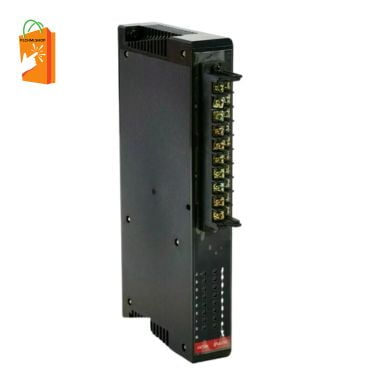
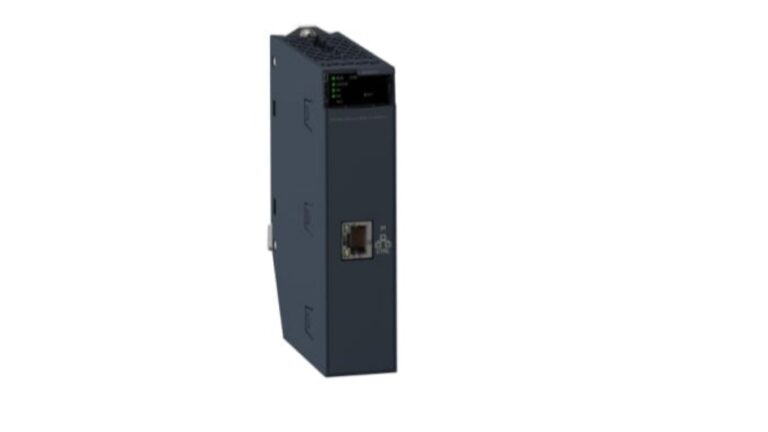
Relay modules play a crucial role in the stability, performance, and safety of modern industrial systems. In environments where machinery runs continuously and precision is essential, the reliability of every electrical component becomes especially important. Whether facilities deploy systems similar to GE FANUC RELAY IC630MDL380A configurations or integrate monitoring solutions comparable to SCHNEIDER ELECTRIC EGX100SD, the focus remains the same—ensuring dependable control and communication across complex operations.
Understanding the Function of Relay Modules
Relay modules may appear simple at first glance, but they hold a significant role in automated systems. By acting as electrically operated switches, they allow low-power control signals to manage high-power loads efficiently. This makes them a foundational component in both legacy and modern industrial environments.
How Relay Modules Support Industrial Operations
Relays help isolate circuits, protect devices from overloads, and enable automation sequences essential for continuous production. With industries increasingly moving toward digitized and interconnected systems, relay modules serve as a bridge between traditional machinery and advanced control technology.
The Importance of Reliability in Demanding Settings
Industrial environments—manufacturing plants, energy systems, transportation hubs, and heavy equipment facilities—operate under extreme conditions. Heat, vibration, electrical noise, and high loads can easily compromise sensitive components. This is why relay modules must demonstrate exceptional durability and consistency.
High-Duty Cycles Require High-Duty Components
High-demand environments often involve equipment cycling thousands of times per day. Relay modules must withstand this constant activity without degradation or failure. A single malfunction can result in equipment shutdowns, production delays, or even safety hazards.
Ensuring Operational Continuity
When relay modules deliver stable switching performance, the risk of downtime is significantly reduced. This continuity is crucial for industries that cannot afford interruptions—such as utilities, manufacturing lines, or automated warehousing systems.
Enhancing Safety Through Intelligent Switching
Safety is one of the most important considerations in industrial operations. Relay modules play a direct role in protecting equipment and personnel by controlling power distribution and preventing electrical overloads.
Circuit Isolation for Protection
Relays separate high-voltage components from low-voltage control circuits. This isolation protects sensitive controller hardware and prevents hazardous electrical exposure.
Fail-Safe Operation
In many facilities, relays are used in fail-safe configurations, ensuring that critical systems default to a safe state in the event of power loss or signal disruption.
The Growing Demand for Smarter Automation
Industrial automation is shifting toward smarter, more integrated technologies. Relay modules now work alongside digital monitoring systems, remote interfaces, and predictive maintenance tools.
Integration With Modern Control Systems
Today’s relay systems often interface with centralized controllers and data networks. They help streamline communication between older mechanical systems and newer digital infrastructure.
Supporting Real-Time Monitoring
The shift toward real-time data collection increases the need for relay modules that respond accurately and consistently to system commands. Reliable switching ensures the integrity of these data-driven processes.
Why Relay Modules Are Essential for Industrial Efficiency
Efficiency directly affects production capacity, energy use, and cost management. Relay modules contribute to each of these factors by enabling smoother operations and reducing the chances of equipment faults.
Reduced Maintenance Downtime
High-quality relay modules require minimal maintenance and can typically operate for long periods without servicing. This longevity helps prevent unexpected outages and minimizes repair schedules.
Energy-Efficient Switching
By managing loads more effectively, relay modules can reduce wasted energy and enhance overall system performance.
Adaptability Across Applications
Relay modules must be versatile enough to support a range of industrial tasks. They are used in motor control, conveyor systems, fluid management, heating and cooling regulation, and many other applications.
Scalability for System Expansion
Industrial systems evolve over time. Relay modules allow for scalability by offering flexible configurations that can be expanded or adapted without major redesigns.
Compatibility With Legacy Systems
Many industries continue to rely on older machinery. Relay modules provide the necessary compatibility to integrate these legacy systems with updated control platforms.
Choosing the Right Relay Module for Industrial Needs
Selecting the correct relay module can make a significant difference in long-term performance and safety. Decision-makers must consider load requirements, environmental conditions, switching frequency, and system compatibility.
Factors to Consider
- Voltage and current ratings
- Expected duty cycle
- Environmental exposure
- Integration with monitoring systems
- Physical durability and insulation
Carefully evaluating these aspects helps ensure that the chosen relay module aligns with operational demands and contributes to long-term reliability.
Future Trends in Relay Technology
The future of industrial automation will push relay technology toward greater intelligence, durability, and connectivity.
Advancements on the Horizon
- Enhanced diagnostic capabilities
- Improved energy efficiency
- Tighter integration with smart networks
- More rugged designs for extreme environments
Relay modules will continue to evolve as industries pursue higher levels of efficiency and automation.
Conclusion
In high-demand industrial environments, relay modules are indispensable for maintaining stability, efficiency, and safety. They support critical operations, manage high-power loads, and enable seamless communication across various systems. Whether facilities use equipment similar to GE FANUC RELAY IC630MDL380A or monitoring technologies comparable to SCHNEIDER ELECTRIC EGX100SD, the importance of reliable relay performance remains the same—ensuring that industrial operations run smoothly, safely, and without interruption.