Why User-Friendly Control Panels Improve Productivity on the Factory Floor
In modern manufacturing environments, efficiency depends heavily on how easily operators can interact with machines and systems. Even advanced equipment can underperform if its interface is confusing or difficult to use. Solutions associated with SCHNEIDER ELECTRIC XBTPM027010 and SCHNEIDER ELECTRIC XBTGT2330 are often discussed in the context of improving usability, but the broader principle is clear: intuitive control panels play a critical role in boosting productivity, reducing errors, and supporting smoother factory operations.
The Importance of User-Friendly Control Panels
Control panels act as the communication bridge between humans and machines. When designed with usability in mind, they enable operators to work faster, make better decisions, and respond quickly to issues.
Simplifying Complex Operations
Modern factory processes are complex, involving multiple variables and real-time adjustments. A user-friendly control panel simplifies these complexities by presenting information in a clear, logical way. Visual indicators, well-organized menus, and easy-to-understand symbols help operators grasp system status at a glance rather than spending time interpreting data.
Reducing Cognitive Load
When interfaces are cluttered or poorly designed, operators must mentally work harder to complete basic tasks. This cognitive load slows down performance and increases the risk of mistakes. Intuitive layouts reduce mental strain, allowing workers to focus on production quality and efficiency instead of struggling with the interface.
How Intuitive Interfaces Increase Operator Efficiency
A well-designed control panel directly impacts how efficiently tasks are completed on the factory floor.
Faster Task Execution
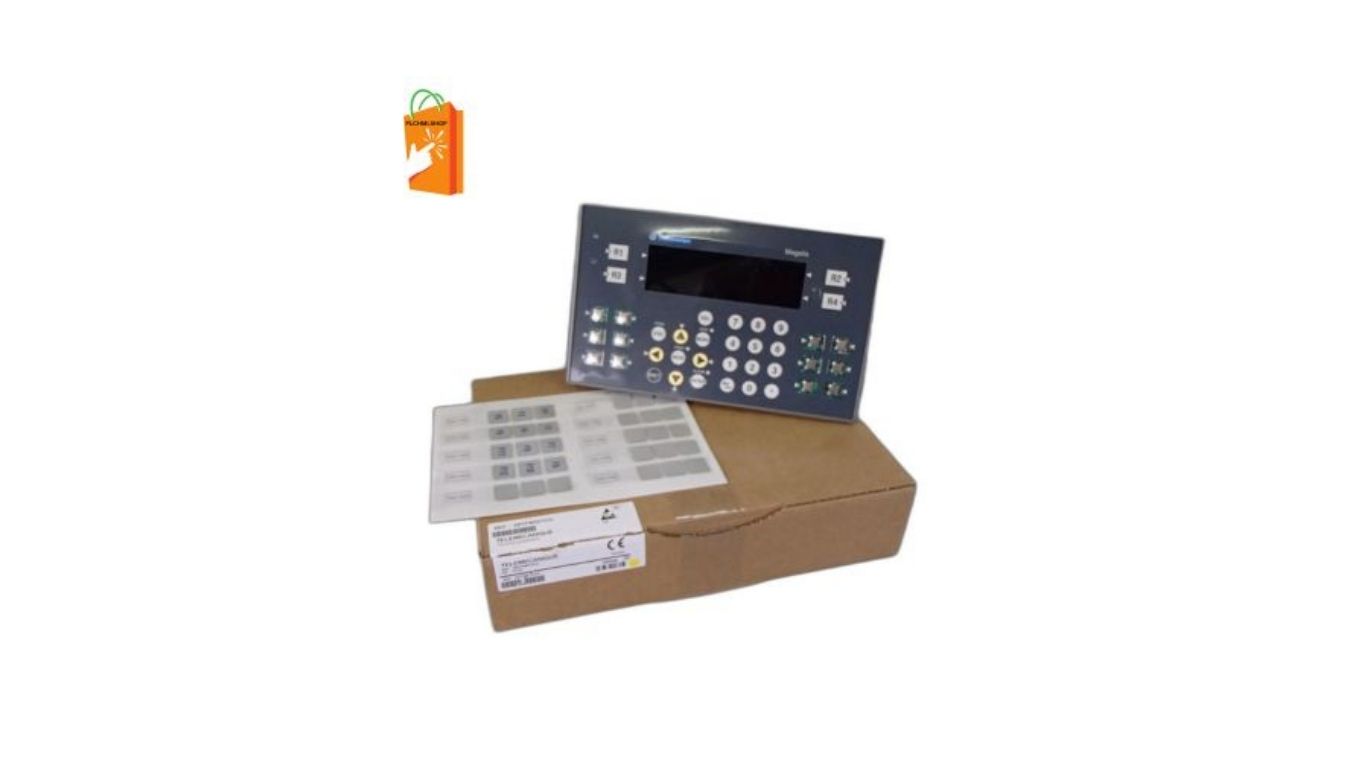
Simple navigation and responsive touch controls enable operators to complete tasks more quickly. Whether adjusting settings, monitoring output, or responding to alerts, intuitive interfaces reduce the number of steps required to take action. Over time, these small time savings add up to significant productivity gains.
Shorter Training Time
New employees can become productive faster when control panels are easy to understand. Instead of lengthy training sessions, workers can learn basic operations through intuitive design elements. This reduces onboarding time and helps factories adapt quickly to workforce changes.
Improved Confidence Among Operators
When operators feel comfortable using control panels, they are more confident in making adjustments and responding to system feedback. This confidence leads to quicker decision-making and fewer hesitations during critical moments.
Reducing Errors and Downtime Through Better Design
Errors and downtime are costly in any manufacturing environment. User-friendly control panels help minimize both.
Clear Visual Feedback
Effective control panels provide immediate visual feedback when actions are taken. Confirmation messages, status indicators, and alerts help operators know exactly what is happening within the system. This clarity reduces accidental inputs and misinterpretation of machine behavior.
Preventing Operational Mistakes
Poorly designed interfaces can lead to incorrect parameter settings or missed warnings. Intuitive panels guide users through processes step by step, making it harder to select incorrect options. This reduces the likelihood of costly mistakes that could halt production or damage equipment.
Faster Troubleshooting
When issues arise, clear diagnostics and logical navigation help operators identify problems quickly. Instead of searching through complex menus, workers can locate fault information and corrective actions in seconds, minimizing downtime and maintaining production flow.
Supporting Better Communication on the Factory Floor
Control panels do more than display machine data—they support communication across teams and shifts.
Consistent Information Presentation
User-friendly interfaces ensure that information is presented consistently, regardless of who is operating the machine. This consistency helps teams maintain standardized procedures and reduces confusion during shift changes.
Enhanced Collaboration
When data is easy to read and understand, supervisors, maintenance staff, and operators can collaborate more effectively. Shared understanding of system status enables quicker decision-making and coordinated responses to production challenges.
Improving Safety Through Usability
Safety is a top priority in industrial environments, and control panel design plays a key role.
Clear Warnings and Alerts
Intuitive control panels highlight critical warnings using clear symbols, colors, and messages. Operators can quickly recognize unsafe conditions and take appropriate action before incidents occur.
Reduced Operator Stress
Confusing interfaces increase stress, especially during high-pressure situations. User-friendly panels reduce anxiety by making controls predictable and reliable, helping operators stay calm and focused on safe operation.
Long-Term Productivity Benefits
Investing in usability delivers long-term returns beyond immediate efficiency gains.
Adaptability to Process Changes
As manufacturing processes evolve, intuitive control panels make it easier to implement changes. Operators can adapt to new workflows with minimal disruption, maintaining productivity even during upgrades or process adjustments.
Higher Job Satisfaction
When tools are easy to use, employees experience less frustration and greater job satisfaction. Happier workers are more engaged, make fewer errors, and contribute positively to overall factory performance.
Sustainable Operational Excellence
User-friendly interfaces support continuous improvement initiatives by making data accessible and actionable. Over time, this leads to better decision-making, optimized processes, and sustained productivity growth.
Conclusion
User-friendly control panels are no longer a luxury—they are a necessity for efficient, safe, and competitive manufacturing operations. By simplifying interactions, reducing errors, and empowering operators, intuitive interfaces deliver measurable productivity improvements across the factory floor. Systems commonly associated with SCHNEIDER ELECTRIC XBTPM027010 and SCHNEIDER ELECTRIC XBTGT2330 highlight how thoughtful design can transform daily operations, proving that when people can interact easily with machines, productivity naturally follows.