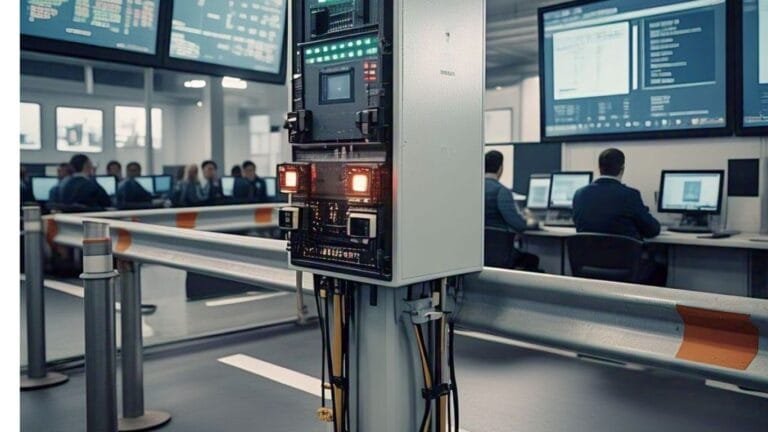
Understanding the High-Performance CPU Module for Industrial Automation Systems
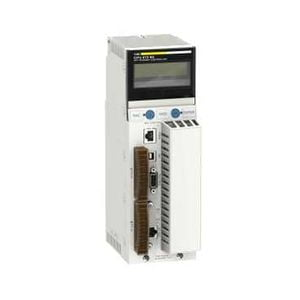
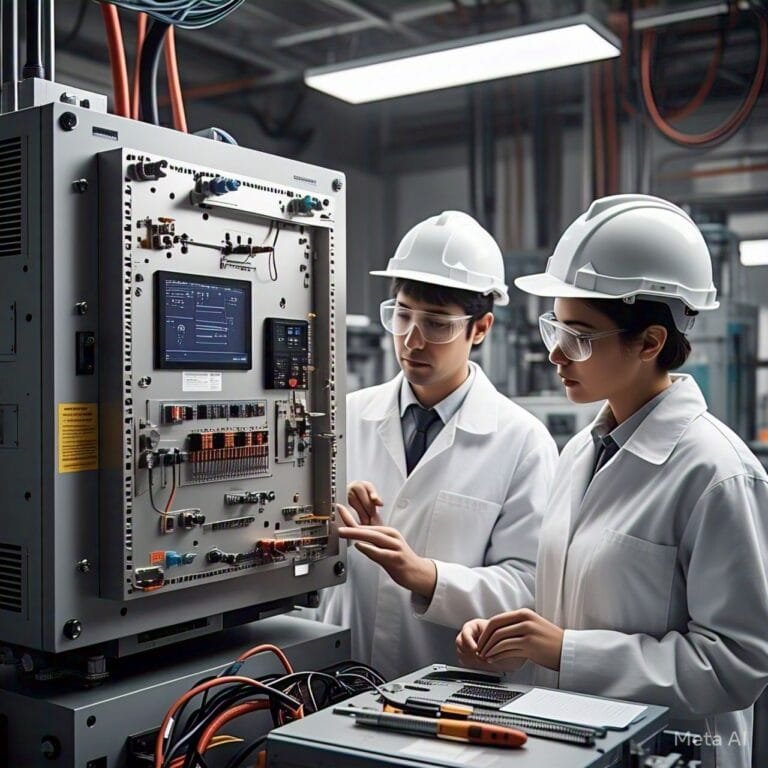
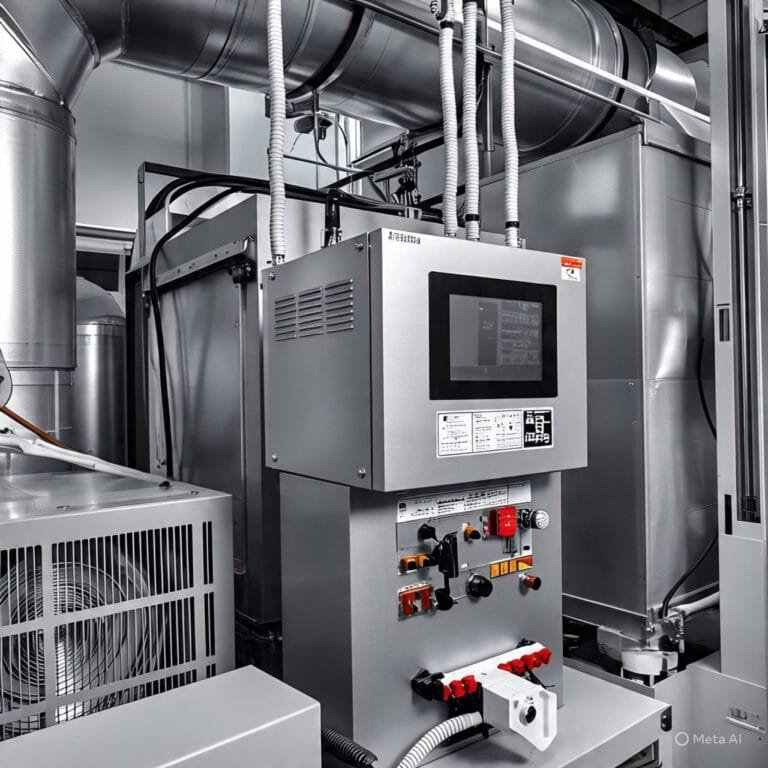
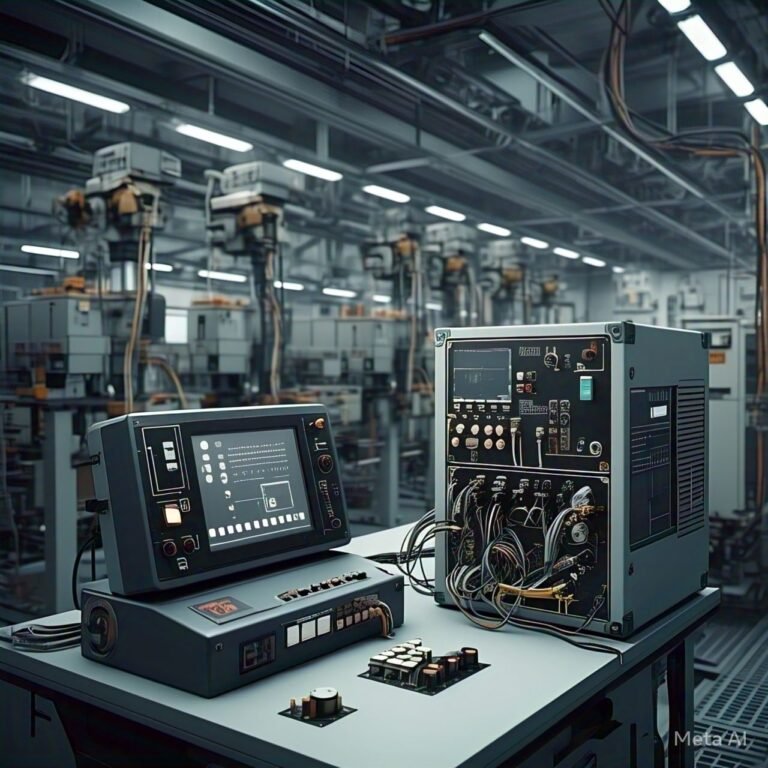
A high-performance CPU module plays a central role in modern industrial automation. It ensures fast data handling, stable process execution, and efficient control across a wide range of applications. Systems that rely on advanced automation require reliable processing units capable of executing logic, coordinating field devices, and maintaining real-time performance. This article provides a simplified and improved overview while naturally including the keywords 140CPU67260 and Modicon Quantum without mentioning any brand name.
Importance of an Advanced CPU Module in Automation
Industrial automation depends on processing units that can handle complex logic with precision. A high-performance module ensures consistent operation, minimizes downtime, and keeps systems functioning even during demanding conditions. It manages communication, interprets signals, and coordinates tasks between various levels of the automation architecture.
Core Processing Capabilities
A high-performance CPU module is designed to execute instructions quickly, organize real-time data, and support large control programs. These capabilities allow it to handle continuous processes, high-speed applications, and critical automation tasks. The module associated with 140CPU67260 demonstrates the level of power needed in large-scale industrial environments.
Communication and Integration Features
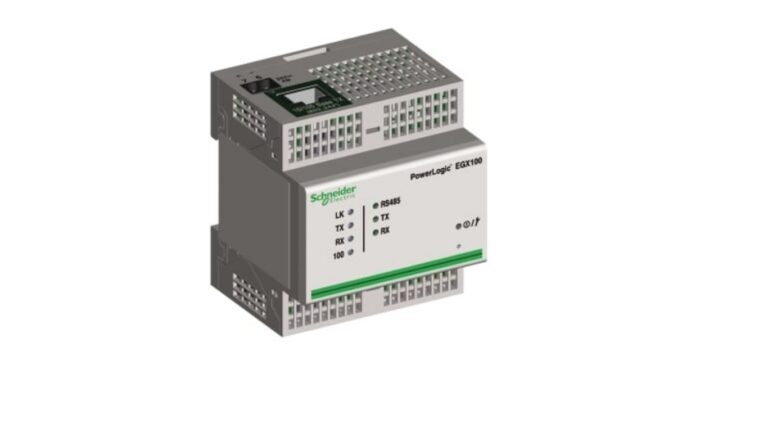
To support flexible system architecture, the CPU module integrates multiple communication options. These may include serial ports, Ethernet connections, or expandable network interfaces. Such flexibility ensures smooth connectivity with field devices, operator systems, and other controllers within the Modicon Quantum family of modular systems.
Memory Architecture
To maintain fast processing, the CPU module contains layered memory structures designed for rapid execution and secure data storage. This allows the controller to retain essential logic programs, maintain critical information during power loss, and support expansion for advanced applications.
Reliability in Industrial Environments
Industrial conditions can expose control equipment to heat, vibration, electrical noise, and heavy workloads. A high-performance CPU module is engineered with strong protective features, ensuring durability and long-term stability. Advanced diagnostic tools, internal monitoring, and fault-handling capabilities help maintain operational safety.
Applications in Automation
The processing strength of a module like the one associated with 140CPU67260 supports a wide range of industrial uses. These include continuous process industries, manufacturing lines, energy systems, and automated material handling. Its versatility makes it suitable for both small and large automation setups.
Programming Flexibility
The CPU module supports various structured programming methods used in industrial engineering. This flexibility helps engineers design, modify, and optimize control logic according to specific application needs. Real-time monitoring tools further help in troubleshooting and performance tuning.
Key Advantages
A high-performance CPU module provides several significant benefits:
- Enhanced reliability for complex and time-sensitive industrial operations
- Fast execution, strong communication capability, and long-term system stability
Conclusion
A powerful CPU module is essential for running modern industrial automation systems with efficiency and reliability. With strong processing capabilities, versatile communication options, and robust design features, modules like those associated with 140CPU67260 and compatible with the Modicon Quantum platform continue to support large-scale industrial needs. Their performance and durability make them central components in achieving stable, safe, and optimized automation environments.