Soft Starting: 6 Proven Ways to Cut Motor Stress
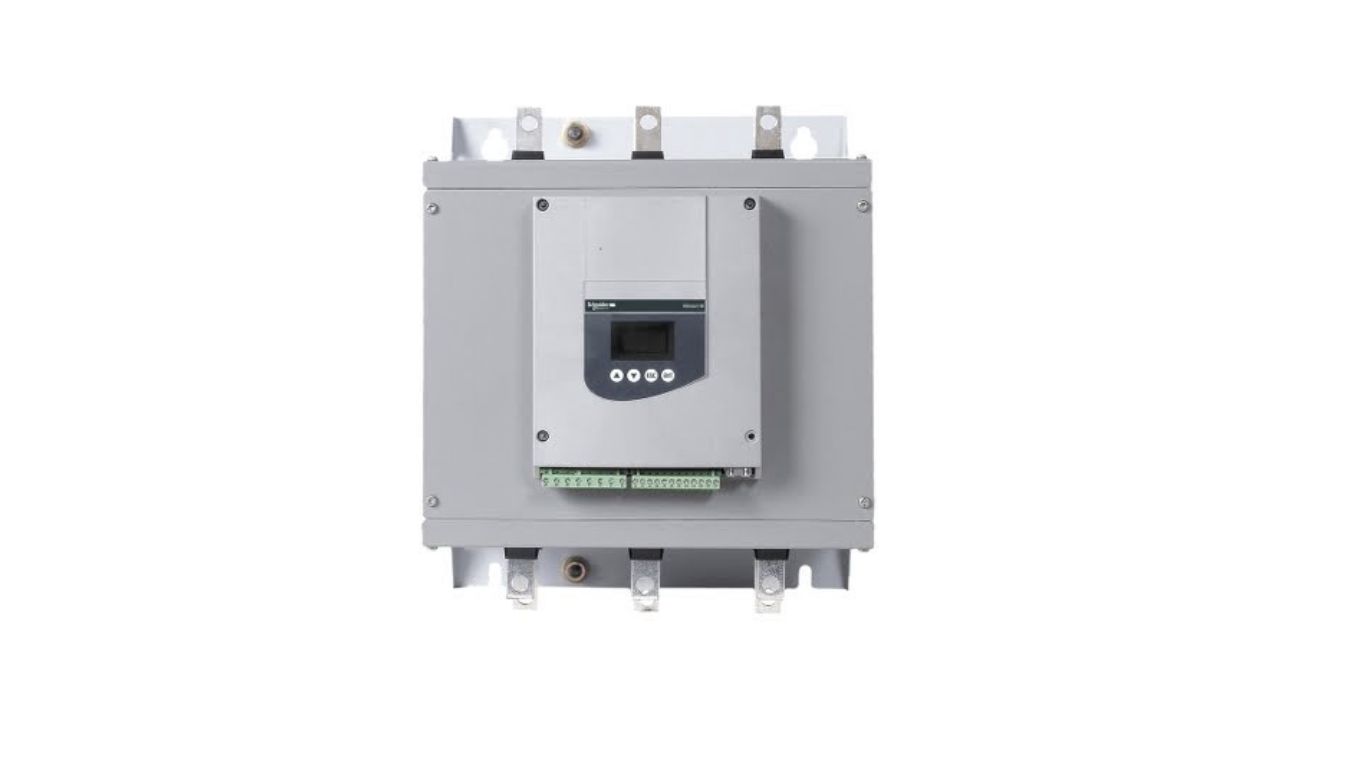
Soft starting has become a critical solution for industries seeking better motor performance, longer equipment life, and lower operating costs. Modern facilities expect motors to start smoothly while maintaining energy efficiency and reliability. Soft starters like the ATS48C25Y from the Altivar range give engineers a proven way to control motor behavior without unnecessary strain.
Understanding Soft Starting Technology
Soft starting controls the initial acceleration of electric motors by gradually increasing voltage and current during startup. Unlike direct-on-line starting, which applies full voltage immediately, soft starting ramps motors up smoothly, significantly reducing sudden torque spikes and electrical surges. Conventional starting creates abrupt mechanical and electrical stress that strains shafts, belts, gears, and electrical components, leading to premature failure over time.
1. Controlled Acceleration
Soft starters regulate the voltage supplied during startup, allowing gradual acceleration that prevents the torque shocks that damage mechanical components. Equipment connected to motors, such as pumps and conveyors, benefits from smoother motion and reduced vibration.
2. Lower Wear on Mechanical Components
By minimizing shock loads, soft starting reduces wear on bearings, couplings, and transmission elements. This extends the lifespan of mechanical parts and reduces maintenance frequency, translating into lower spare-parts costs and less unplanned downtime.
3. Reduced Inrush Current
A main advantage of this approach is reducing inrush current during startup. High inrush can be several times the motor’s rated current, causing voltage dips and energy losses. A motor soft starter limits this surge, improving electrical efficiency.
4. Lower Energy Costs
By controlling startup current, it helps facilities avoid high peak demand charges from utilities. It also ensures motors draw only the power they need during acceleration, reducing wasted energy. Over time these savings are significant, especially in large operations with frequent motor starts.
5. Reduced Downtime and Better Process Control
By reducing stress on mechanical and electrical systems, this lowers the risk of unexpected breakdowns, leading to more consistent production. It also gives better control over startup and stopping — useful in pumping systems where sudden starts cause water hammer or pressure surges — improving process quality and safety.
6. Compatibility With Modern Automation
Soft starting integrates well with modern Schneider Electric automation systems, supporting monitoring, diagnostics, and control features that help operators optimize performance and identify potential issues before they escalate.
Applications That Benefit Most
Pumps and compressors are highly sensitive to sudden torque changes, so soft starting reduces pressure spikes and mechanical shock. In conveyor and material-handling systems, smooth acceleration prevents belt slippage and material spillage. Fans and blowers benefit from reduced electrical stress and smoother startup, maintaining airflow stability and lowering noise.
Sizing and Selecting the Right Unit
Getting these benefits in practice depends on correct sizing. Match the unit to the motor’s full-load current, the number of starts per hour, and the load type, since a high-inertia fan behaves very differently from a centrifugal pump. Account for ambient temperature and any derating inside a hot enclosure, and confirm the ramp and current-limit settings suit the driven equipment. Where a process needs speed control as well as a gentle start, a variable speed drive may be the better fit. Specifying these details up front avoids nuisance trips and ensures the motor and connected machinery are genuinely protected.
Conclusion
Soft starting plays a vital role in reducing mechanical stress and energy consumption across many industrial applications. By controlling acceleration, limiting inrush current, and optimizing power usage, it enhances reliability and efficiency. Professionals researching solutions like the ATS48C25Y are ultimately seeking these core benefits — smoother operation, lower energy costs, and long-term protection. Browse our Altivar soft starters and drives to protect your motors.
What is soft starting?
Soft starting gradually increases voltage and current to a motor during startup instead of applying full power instantly. This smooth ramp-up reduces torque spikes and electrical inrush, protecting both the motor and connected mechanical equipment.
How does soft starting reduce mechanical stress?
By ramping the motor up gradually, a soft starter avoids the sudden torque shocks of direct-on-line starting. This lowers wear on bearings, belts, gears, and couplings, extending equipment life and reducing maintenance.
Does soft starting save energy?
Yes. It limits inrush current, which reduces voltage dips and energy losses, and helps avoid high peak demand charges from utilities. Motors draw only the power they need during acceleration, cutting wasted energy.
Which equipment benefits most from soft starting?
Pumps, compressors, conveyors, fans, and blowers benefit most. Soft starting reduces pressure surges and water hammer in pumps, prevents belt slippage on conveyors, and lowers electrical and mechanical stress across the board.