Expansion Devices: 7 Critical Factors for Automation Systems
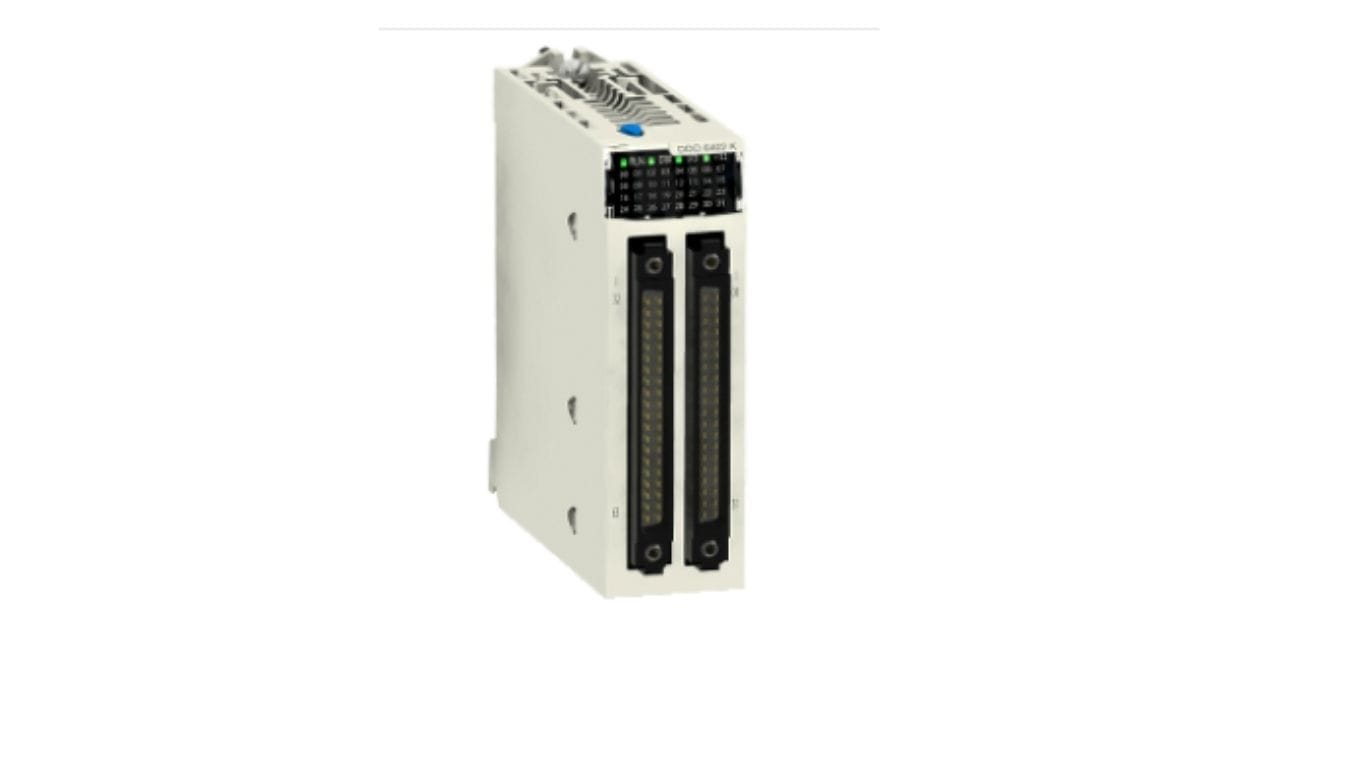
Industrial automation systems rely on expansion devices to extend control capabilities, improve flexibility, and support growing demand. Choosing the right module directly affects reliability, scalability, safety, and long-term maintenance cost. Before selecting a device — such as the BMXDDO6402K discrete output module X80 — engineers must weigh several technical and environmental factors to ensure seamless integration.
Understanding the Role of Expansion Devices
Expansion devices increase the input and output capacity of programmable control systems, letting operators add sensors, actuators, and control points without replacing the main controller. This modular approach simplifies upgrades and supports customization. Poorly chosen expansion devices cause communication delays, overheating, signal errors, or system failure — while a well-matched module ensures stable performance and easy future growth.
7 Critical Factors When Selecting Expansion Devices
1. Compatibility with Existing Systems
The unit must match the electrical and communication standards of your current setup. Voltage ranges, signal types, and bus protocols must align to prevent conflicts. Reviewing the PLC and I/O specifications first avoids costly mismatches.
2. Channel Density and Configuration
Applications need different channel counts. High-density I/O modules suit compact panels, while lower-density options fit distributed architectures.
3. Signal Type Support
Industrial environments mix digital, analog, and specialty signals. The device should support what your application needs — relay, transistor, or triac outputs.
4. Response Speed
Fast switching is essential for high-precision processes like packaging lines and robotics. Slow devices cause timing mismatches and reduced accuracy.
5. Environmental and Mechanical Durability
Hardware must run reliably in harsh conditions:
- Temperature and humidity: Choose modules rated for industrial temperature ranges and moisture resistance.
- Vibration and shock: Reinforced housings and secure terminals resist machinery vibration.
- Installation space: Compact modules save panel space and ease cable routing.
6. Reliability and Safety Standards
Because industrial systems run continuously, look for international safety and EMC compliance, plus protection features like short-circuit and overload protection and status diagnostics. For mission-critical work in energy, transport, or pharma, redundant modules keep the system running if one unit fails.
7. Scalability and Maintenance
Good expansion devices meet today’s needs and tomorrow’s. Favor modular, stackable or rack-based designs and firmware-upgradable units. Built-in diagnostics (LEDs or software monitoring) speed troubleshooting, and hot-swappable modules allow replacement without shutting the system down.
Connectivity and Wiring Efficiency
Efficient wiring cuts installation and maintenance time. Clear labeling, removable connectors, and secure locking simplify troubleshooting, while organized cable routing reduces clutter and improves airflow. In many setups, engineers pair a discrete output module with a matching terminal block — for example the BMXDDO6402K with the BMXFTB2820 28-pin terminal block for Modicon X80 — to streamline signal distribution and connection reliability.
Comparison Table: Expansion Module vs Market Alternatives
| Feature | Featured Module | Competitor A | Competitor B | Competitor C |
|---|---|---|---|---|
| Channel Capacity | High-density outputs | Medium | High | Low |
| Installation Type | Rack mounted | DIN rail | Rack mounted | DIN rail |
| Wiring Interface | Detachable terminal | Fixed | Detachable | Fixed |
| Diagnostics | Advanced indicators | Basic LEDs | Advanced | Limited |
| Expansion Support | Modular scalable | Limited | Modular | Limited |
| Industrial Rating | Heavy duty | Standard | Heavy duty | Standard |
| Maintenance Ease | Quick-replace | Moderate | Quick-replace | Moderate |
Competitors represent typical market alternatives, not specific manufacturers.
Cost vs Performance Balance
Price should never be the only deciding factor. Cheaper modules often lack durability or diagnostics, raising maintenance costs over time. Evaluate total cost of ownership instead — installation, downtime risk, energy use, and expected lifespan.
Integration with Modern Automation Trends
Today’s systems rely on smart monitoring, remote diagnostics, and analytics. Expansion devices should integrate with supervisory software and industrial networks, and those that feed back data support predictive maintenance, improving overall efficiency.
Final Thoughts
Selecting the right expansion devices is a strategic decision affecting performance, safety, and scalability. Assess compatibility, environmental durability, wiring design, diagnostics, and expansion potential before choosing. Carefully matched components like the BMXDDO6402K discrete output module X80 and the BMXFTB2820 terminal block enhance reliability, simplify installation, and support future growth. Browse our full range of I/O modules and accessories to expand your system with confidence.
What are expansion devices in industrial automation?
Expansion devices are I/O modules that add input and output capacity to a control system, letting you connect more sensors, actuators, and control points without replacing the main PLC. They make systems modular, scalable, and easier to upgrade.
How do I know if an expansion module is compatible with my system?
Check that its voltage range, signal types, and bus protocol match your existing controller and backplane. Mismatched electrical or communication standards are the most common cause of integration conflicts, so verify specs before purchasing.
What is a hot-swappable expansion module?
A hot-swappable module can be removed and replaced while the system is still running, without shutting down the whole line. This is valuable in continuous production where downtime is costly, and it speeds up maintenance and repairs.
Why shouldn’t I choose expansion hardware on price alone?
Cheaper modules often lack durability, diagnostics, and protection features, which leads to more downtime and higher maintenance costs. Evaluating total cost of ownership — lifespan, downtime risk, and energy use — usually reveals better long-term value.