Industrial Ethernet Firewall: 7 Powerful Security Wins for Automation Networks
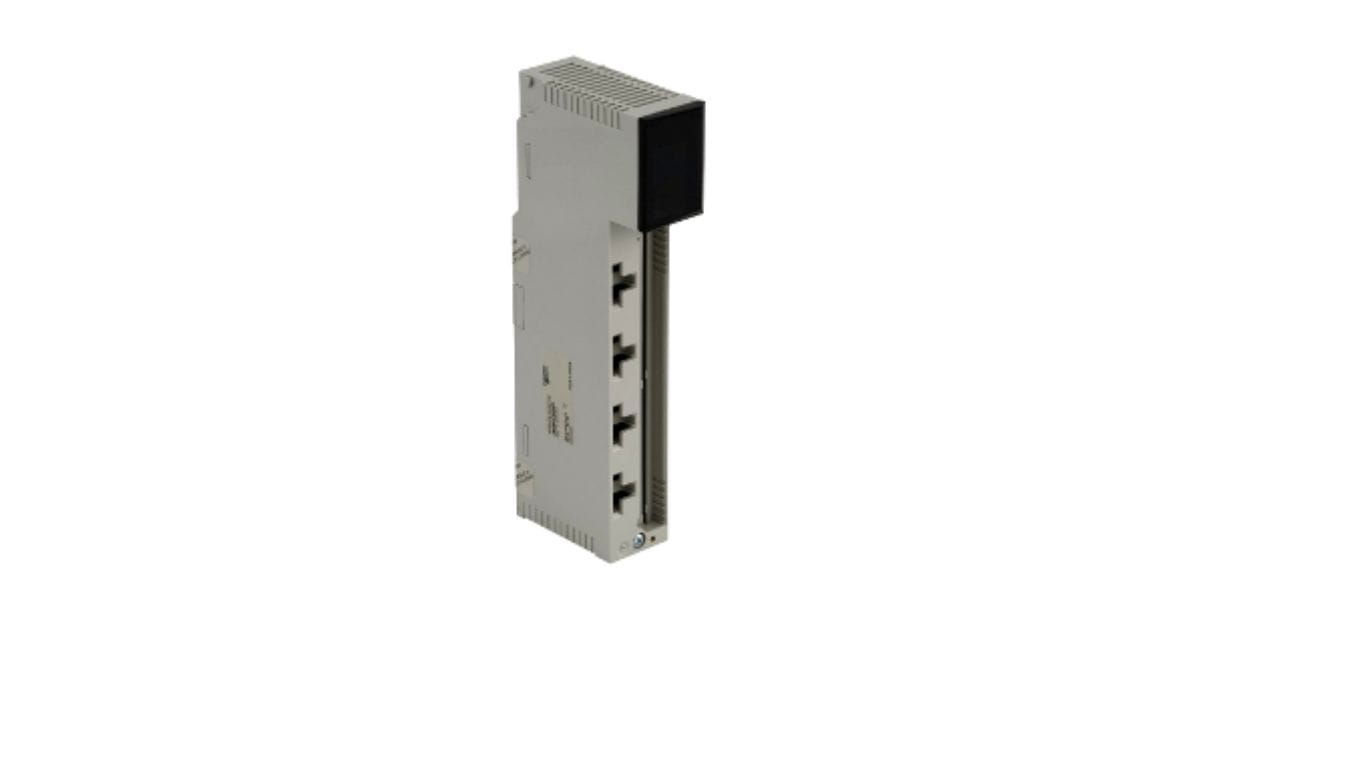
In today’s era of digital transformation, industrial environments face unprecedented security challenges. Factories, plants, and critical infrastructure increasingly rely on connected systems, raising the risk of cyber threats, unauthorized access, and operational disruption. Protecting these environments demands network security built for industrial needs, and one of the most effective safeguards is an industrial Ethernet firewall — designed to secure critical communication without sacrificing performance or reliability. This matters most when integrating control systems like the 140XCP50000 Modicon Quantum automation platform, which depends on secure, reliable connections.
The Rise of Cyber Threats in Industrial Networks
Industrial networks are no longer isolated. Automation platforms, remote monitoring, and connected sensors have transformed operations but also expanded the attack surface. Traditional IT firewalls fall short here due to differences in protocols, performance, and real-time needs, so operators turn to specialized tools that balance security with continuity. According to CISA’s industrial control systems guidance, securing operational technology requires defenses purpose-built for these environments. An industrial Ethernet firewall inspects traffic at deeper levels, manages protocol-specific behavior, and contains threats before they spread.
7 Key Features of an Advanced Industrial Ethernet Firewall
1. Real-Time Performance and Low Latency
Manufacturing floors and automated warehouses need real-time communication. A high-performance industrial Ethernet firewall filters traffic without adding significant latency, so time-critical control data flows smoothly while still being inspected.
2. Protocol Awareness
Industrial networks run specialized protocols like Modbus, Profinet, and EtherNet/IP. A protocol-aware firewall filters traffic by protocol behavior, not just IPs and ports, using deep packet inspection to block protocol-specific attacks and ensure only legitimate commands reach devices.
3. Redundancy and High Availability
Downtime is costly. Advanced solutions support redundancy and high-availability configurations, so if a firewall component fails, backup paths keep communication and security enforcement running.
4. Network Zone Segmentation
Segmentation is core to industrial security. Dividing the network into enterprise, operations, control, and safety zones lets each zone carry tailored policies. An industrial Ethernet firewall sits between zones to enforce access rules, isolate threats, and limit lateral movement during a breach.
5. Integration with Monitoring Tools
Firewalls generate valuable logs and alerts. Feeding these into SIEM systems gives centralized visibility and faster incident response — critical for catching anomalous behavior before it escalates.
6. Secure Remote Access
Remote diagnostics and updates are common but risky. Strong authentication, VPN support, and session control let technicians and integrators connect safely.
7. Compliance and Standards Support
Energy, manufacturing, and transportation all face regulatory frameworks. Choose a firewall that supports compliance reporting and aligns with the ISA/IEC 62443 industrial security standard.
Deployment Strategies for an Industrial Ethernet Firewall
Buying the hardware is only step one. Place the industrial Ethernet firewall at key junctures — between the enterprise and control network, or between control areas — to reduce unauthorized access. Pair deployment with scalable planning so the network can grow without complete reengineering, and use centralized management tools for easy policy updates.
Use Case: Protecting Automation Platforms
Automation platforms are foundational to modern manufacturing, and securing them is non-negotiable. A widely deployed solution, the TCSEFEC2CF3F20 ConneXium industrial Ethernet firewall — part of the Schneider Electric range — secures critical automation networks by controlling traffic between zones and safeguarding communication with controllers. Its protocol intelligence and rugged design make it a reliable choice for protecting sensitive operational technology where real-time control is paramount.
Competitive Landscape: Industrial Ethernet Firewall Solutions
| Solution | Protocol Aware | High Availability | Design | Typical Use Case |
|---|---|---|---|---|
| Firewall A | Yes | Yes | Rugged | Zone segmentation, factory floor |
| Firewall B | Yes | Optional | Rugged | Remote access control |
| Firewall C | Yes | Yes | Compact | Modular automation networks |
| TCSEFEC2CF3F20 ConneXium | Yes | Yes | Rugged | Critical automation protection |
| Firewall D | Protocol-specific | Optional | Rugged | Legacy equipment retrofit |
Generic identifiers are used for competitors to focus on capabilities rather than brands.
Securing the Future: Firewalls in Industrial IoT
The growth of the Industrial Internet of Things (IIoT) amplifies the need for robust security. Smart sensors, edge devices, and cloud connectivity extend networks beyond conventional boundaries, opening new attack vectors. The industrial Ethernet firewall will play an ever-larger role here, combining protocol awareness, scalable performance, and centralized management to keep IIoT architectures resilient.
Conclusion
Securing industrial networks is no longer optional — it’s essential. An advanced industrial Ethernet firewall provides a vital layer of defense that balances performance, protocol intelligence, and scalability. Deployed well, it protects critical infrastructure and safeguards automation platforms. Solutions like the TCSEFEC2CF3F20 ConneXium let operators harden security in the zones that matter most. Browse our industrial automation and networking range to build a secure, future-ready system.
Frequently Asked Questions
What is an industrial Ethernet firewall? An industrial Ethernet firewall is a ruggedized security device that filters and inspects traffic on operational technology networks. Unlike IT firewalls, it understands industrial protocols like Modbus and EtherNet/IP and is built to run with low latency in harsh plant environments.
How is an industrial firewall different from a regular IT firewall? An industrial firewall is protocol-aware, fault-tolerant, and designed for real-time, low-latency traffic in rugged conditions. A standard IT firewall focuses on IP and port rules and usually can’t inspect industrial protocols or meet the uptime demands of a production line.
Where should an industrial Ethernet firewall be placed? At key network boundaries — between the enterprise and control networks, and between separate control or safety zones. This segmentation isolates threats and limits lateral movement if part of the network is breached.
What standards apply to industrial network security? ISA/IEC 62443 is the leading framework for industrial automation and control system security. Many energy, manufacturing, and transportation operators also follow CISA guidance for protecting industrial control systems.
Can an industrial firewall support secure remote access? Yes. Advanced industrial Ethernet firewalls offer VPN support, strong authentication, and session control, letting technicians perform remote diagnostics and updates without exposing the network to unnecessary risk.