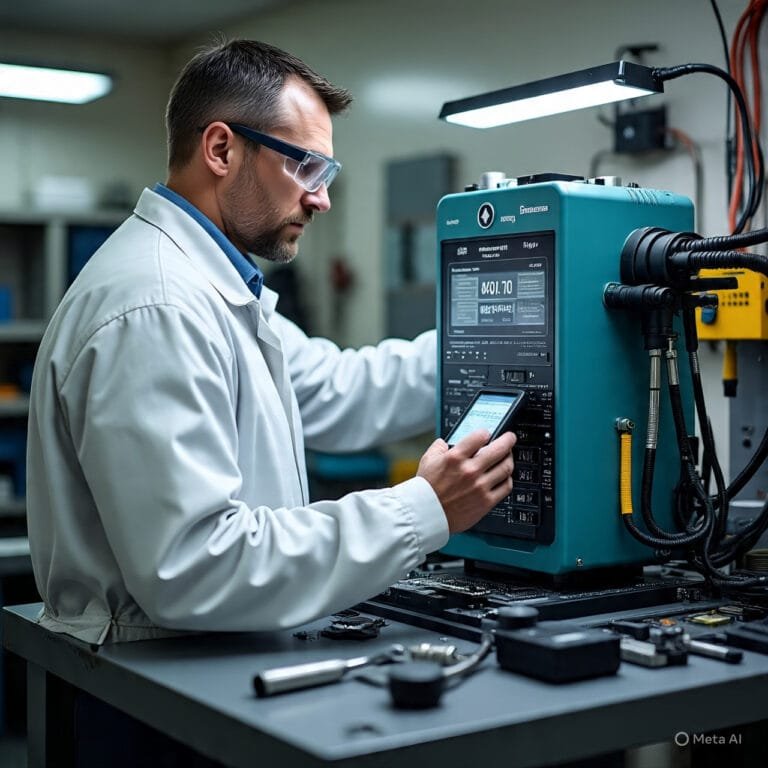
Why Consistent Power Delivery Matters in Industrial Automation Environments
Industrial automation systems rely on stable electrical power to maintain efficiency, safety, and continuous production. In modern manufacturing facilities, automated machines, control panels, sensors, and human-machine interfaces work together to perform complex operations. Even a brief interruption or fluctuation in power can lead to equipment errors, production downtime, or inaccurate system responses. For this reason, maintaining consistent power delivery has become one of the most critical aspects of industrial automation infrastructure.
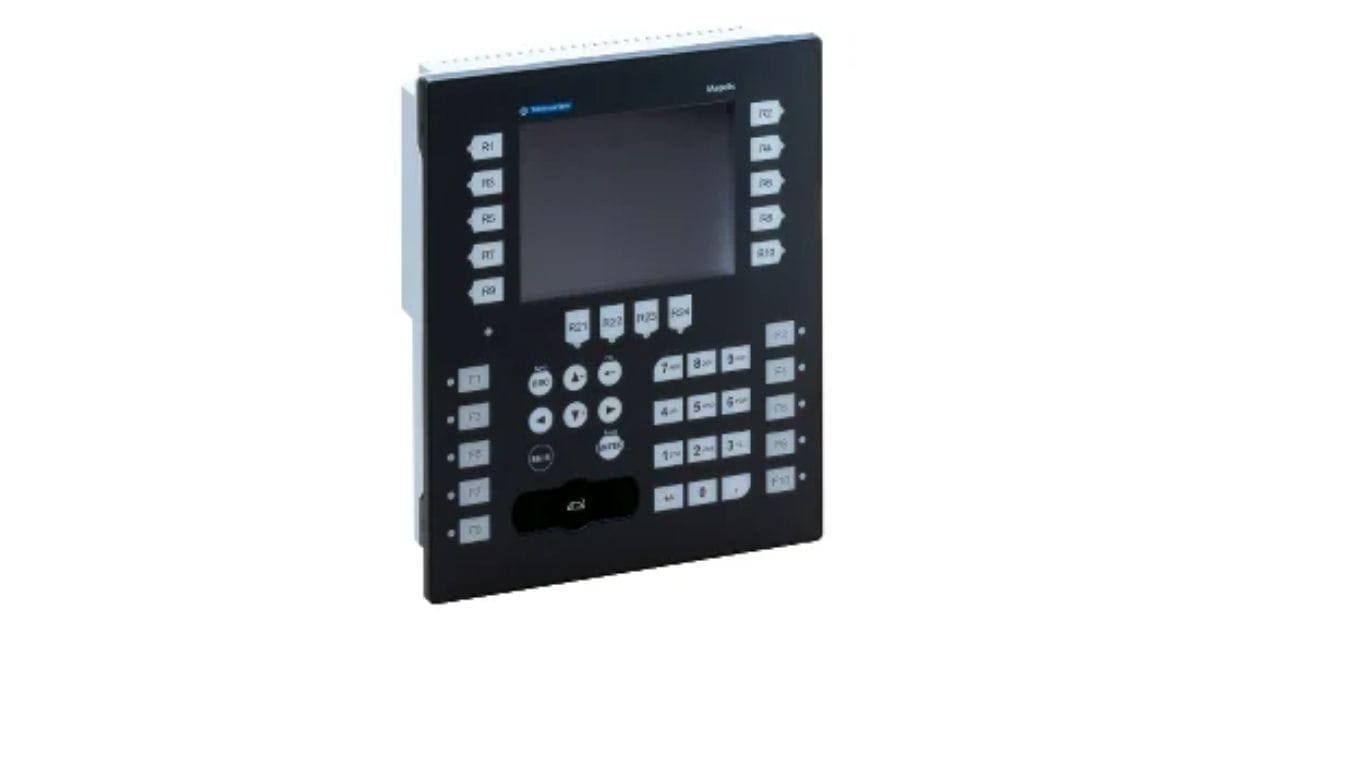
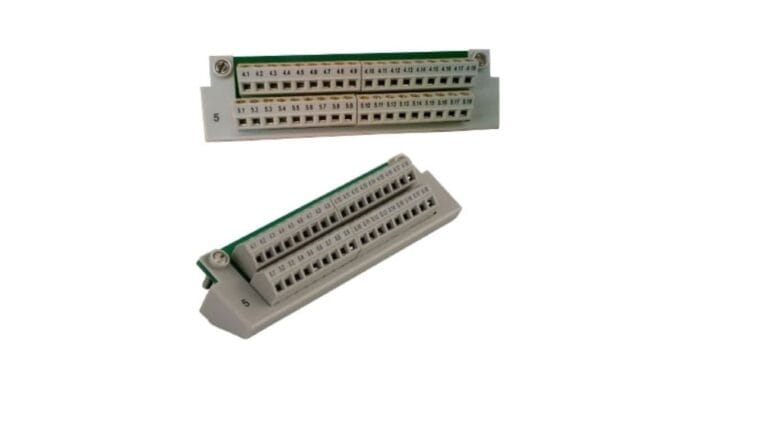
A stable power environment supports reliable communication between controllers, monitoring displays, and field devices. Components such as the 140CPS41400 Supply Module and operator interface systems like the XBTE015010 MAGELiS Operator are often part of automation setups where dependable electrical supply ensures accurate monitoring, proper system control, and smooth industrial operations.
The Importance of Stable Power in Automation Systems
Automation environments include programmable controllers, input/output devices, monitoring displays, and safety equipment. Each of these components requires a steady flow of electrical power to function correctly.
Preventing System Downtime
Unexpected power interruptions can cause machines to stop suddenly. When automated production lines halt unexpectedly, it may lead to product loss, damaged materials, or delays in production schedules. Consistent power delivery ensures that machines operate without unexpected shutdowns and that industrial processes remain stable.
Protecting Sensitive Electronics
Automation equipment contains sensitive electronic circuits designed to process signals, monitor system conditions, and execute commands. Voltage spikes, drops, or irregular power supply may damage these components over time. Reliable power distribution protects devices and extends their operational lifespan.
Maintaining Data Accuracy
Industrial systems collect and process large amounts of data in real time. Power instability may disrupt data transmission between devices, resulting in incomplete information, inaccurate readings, or loss of system logs. Consistent power ensures accurate monitoring and reliable decision-making.
How Power Fluctuations Affect Automation Equipment
Power fluctuations can occur due to electrical grid instability, overloaded circuits, poor wiring, or environmental conditions. These fluctuations may cause several operational issues in automated facilities.
Voltage Drops
When the voltage level drops below the required range, machines may operate inefficiently or fail to start. Controllers may reset, displays may flicker, and communication modules may lose connection with field devices.
Voltage Spikes
Sudden increases in voltage can damage circuit boards and internal electronic components. Over time, repeated spikes may lead to permanent equipment failure.
Electrical Noise
Electrical interference can affect communication signals between automation devices. This noise may cause false readings, sensor errors, or unexpected system alarms.
Role of Power Supply Modules in Automation
Power supply modules are responsible for converting and distributing electrical energy to different automation components. They regulate voltage levels and provide stable output to ensure that each device receives the correct amount of power.
Power Regulation
A well-designed power supply regulates voltage and protects devices from electrical fluctuations. This stability is essential for controllers, sensors, and operator interfaces that require consistent voltage levels.
System Protection
Many power modules include built-in protection mechanisms such as overload protection, short-circuit protection, and thermal safeguards. These features prevent damage to automation equipment during abnormal electrical conditions.
Continuous Operation
Reliable power modules help maintain uninterrupted industrial processes. Even in demanding production environments, they ensure that systems continue running efficiently without sudden power interruptions.
Impact on Production Efficiency
In industrial automation, even a few minutes of downtime can have a significant impact on productivity. Consistent power delivery supports smooth operations and improves overall production efficiency.
Reduced Maintenance Costs
Stable power reduces wear on electronic components and prevents frequent equipment failures. This leads to lower maintenance costs and fewer system repairs.
Improved Operational Reliability
When automation equipment receives stable power, machines operate within their designed performance range. This reliability ensures consistent product quality and efficient production cycles.
Enhanced Safety
Sudden equipment shutdowns can create hazardous conditions in industrial facilities. Reliable power helps prevent unexpected machine behavior and ensures safe operation for workers.
Monitoring and Troubleshooting Power Issues
Industrial facilities often implement monitoring systems to detect power irregularities before they cause major problems. These systems track voltage levels, current flow, and equipment status in real time.
Power Monitoring Tools
Power monitoring devices can identify fluctuations, overload conditions, and abnormal electrical patterns. By detecting these issues early, technicians can take corrective action before system failures occur.
Preventive Maintenance
Routine inspection of electrical connections, power modules, and wiring helps maintain consistent power delivery. Preventive maintenance reduces the risk of unexpected equipment failures and ensures long-term system reliability.
Common Alerts, Alarms, and Errors of Product XYZ
Below is an example table showing typical alerts, alarms, and error messages that may appear in industrial automation equipment labeled as Product XYZ.
| Alert / Alarm Code | Description | Possible Cause | Suggested Action |
| ALM-01 | Low Voltage Warning | Power supply voltage below required level | Check incoming power and wiring connections |
| ALM-02 | High Voltage Alert | Voltage exceeds safe operating limit | Inspect voltage regulation and power supply settings |
| ERR-03 | Communication Failure | Device unable to communicate with controller | Verify network cables and communication configuration |
| ERR-04 | Overcurrent Protection | Excessive current detected in circuit | Check connected devices and load conditions |
| WRN-05 | Temperature Warning | Internal temperature exceeding safe threshold | Improve ventilation and inspect cooling system |
| ERR-06 | System Restart Error | Unexpected system reset detected | Examine power stability and controller logs |
These alerts help technicians quickly identify operational problems and take corrective actions to maintain system performance.
Best Practices for Ensuring Consistent Power Delivery
Maintaining stable power in industrial environments requires careful planning and proper infrastructure.
Proper Power Distribution Design
Electrical systems should be designed with sufficient capacity to handle the load of automation equipment. Balanced distribution reduces the risk of overloads and voltage drops.
Surge Protection
Installing surge protection devices helps protect automation systems from sudden voltage spikes caused by lightning strikes or electrical grid disturbances.
Backup Power Systems
Many facilities use backup power solutions to maintain operations during power outages. These systems provide temporary power until the main electrical supply is restored.
Regular System Testing
Routine testing of power systems ensures that electrical equipment operates within the recommended voltage and current ranges. Testing helps identify potential problems before they affect production.
Conclusion
Consistent power delivery plays a fundamental role in maintaining efficient and reliable industrial automation systems. Stable electrical supply protects sensitive electronics, prevents unexpected downtime, and ensures accurate communication between machines and monitoring interfaces. Automation components such as the 140CPS41400 Supply Module and the XBTE015010 MAGELiS Operator depend on dependable power conditions to support continuous industrial operations. By implementing proper power management strategies, monitoring systems, and preventive maintenance practices, industrial facilities can improve productivity, enhance equipment reliability, and maintain safe working environments.