How Modular Electrical Components Improve Automation Panel Efficiency Today

Industrial automation is moving toward smarter, faster, and more flexible systems, and one of the strongest drivers of this change is modular electrical design. Modern automation panels are no longer built as rigid, fully hardwired structures. Instead, they are designed using modular electrical components that allow engineers to build systems like blocks—easy to assemble, easy to upgrade, and easy to maintain.

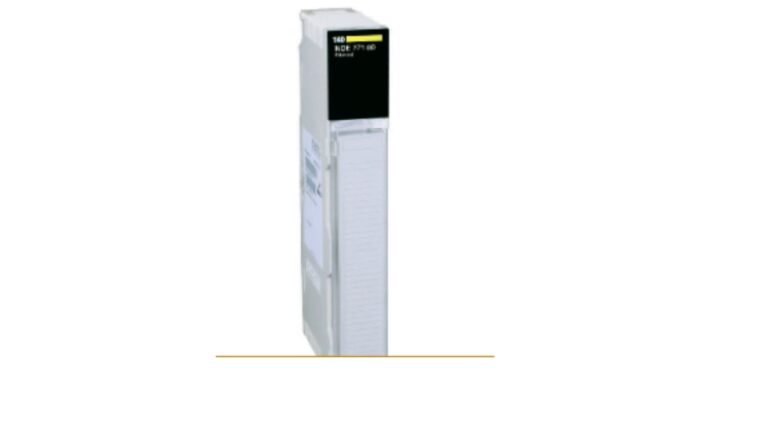
This shift has completely changed how industries design control systems. The keyword 140chs11000 is a good example of how modern industrial components are integrated into modular automation architectures to achieve better performance, reduced downtime, and higher scalability.

In this article, we will explore in detail how modular electrical components improve automation panel efficiency today and why they are becoming the standard in modern industries.

What Are Modular Electrical Components in Automation Panels?

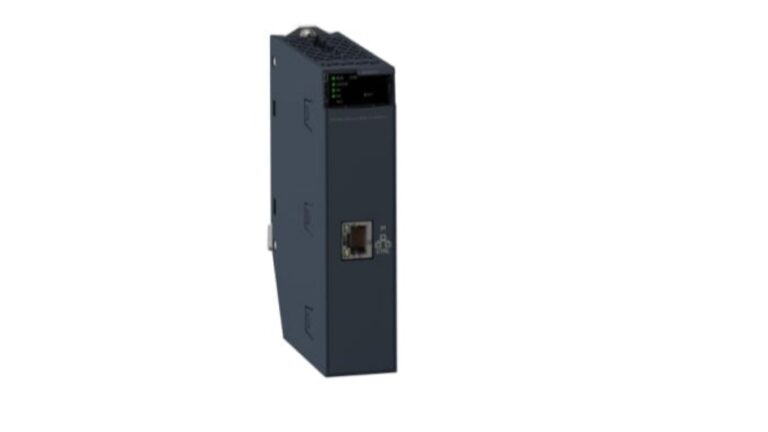
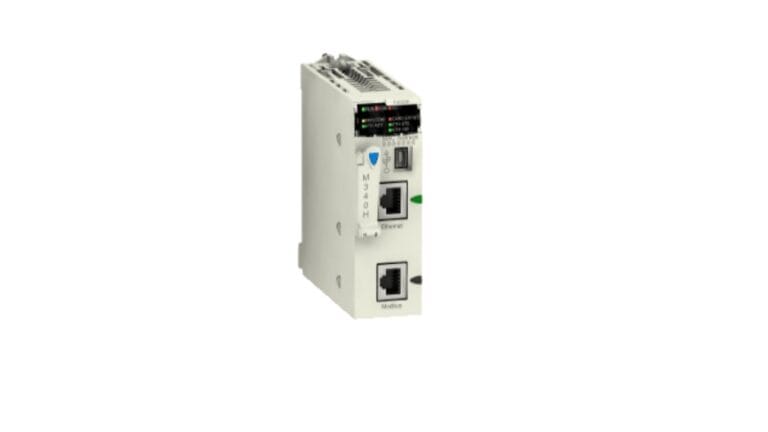
Modular electrical components are standardized units that perform specific functions within an automation panel. Instead of designing a system with fixed wiring and custom-built circuits, engineers use interchangeable modules that can be easily installed, removed, or replaced.

These components include:

  • Modular PLC systems
  • Plug-in relays
  • Terminal blocks
  • Power supply modules
  • Communication modules
  • Distributed I/O systems

Each module is designed to perform a specific task independently while still working as part of a larger integrated system.

Core Idea Behind Modularity

The main concept of modularity is simplicity through division. A complex automation system is broken into smaller functional blocks. Each block handles a defined function, such as input processing, output control, or communication.

This makes the system easier to understand, easier to manage, and significantly more efficient in both design and operation.

Why Automation Panels Need Modular Design Today

Traditional automation panels were often built with complex wiring systems that required significant engineering effort. Any change in design meant rewiring, redesigning, and testing the entire system again.

Modern industrial demands have changed this approach. Industries now require:

  • Faster production setup
  • Reduced downtime
  • Easy system upgrades
  • Lower maintenance costs
  • Higher reliability

Modular electrical components directly solve these challenges by simplifying the entire automation lifecycle.

How Modular Electrical Components Improve Panel Efficiency

Efficiency in automation panels depends on multiple factors such as installation speed, maintenance time, operational reliability, and scalability. Modular systems improve all of these areas significantly.

Faster Installation and Reduced Wiring Complexity

One of the biggest advantages of modular electrical systems is the drastic reduction in wiring complexity.

In traditional systems, every component must be manually wired. This increases installation time and the chance of wiring errors. Modular systems eliminate much of this complexity through:

  • Pre-engineered plug-in connections
  • Standardized module interfaces
  • Reduced manual wiring points

This means engineers can assemble automation panels much faster. In large industrial projects, this can reduce installation time by up to 40–60%, significantly improving project efficiency.

Simplified Maintenance and Troubleshooting

Maintenance is one of the most critical aspects of industrial automation. When a system fails, downtime can be extremely costly.

Modular systems make maintenance much easier because:

  • Faulty modules can be quickly identified
  • Individual modules can be replaced without affecting the whole system
  • Diagnostic tools can isolate problems faster

Instead of spending hours testing circuits, engineers can simply replace a faulty module and restore operations quickly.

This plug-and-replace approach significantly reduces downtime and improves system availability.

Easy Scalability for Future Expansion

Industries constantly evolve, and automation systems must adapt to new requirements. Modular electrical components make expansion extremely simple.

For example:

  • Additional I/O modules can be added for new sensors
  • Communication modules can support new networks
  • Power modules can be upgraded for higher load capacity

This flexibility allows companies to expand their systems without redesigning the entire automation architecture.

It also helps future-proof industrial installations, making long-term planning much more efficient.

Improved System Organization and Panel Layout

A well-organized automation panel is easier to maintain and troubleshoot. Modular components improve internal panel layout by:

  • Reducing cluttered wiring
  • Creating structured component placement
  • Standardizing installation patterns

This improves not only visual organization but also functional clarity, making it easier for technicians to understand system architecture.

Better organization directly leads to better operational efficiency.

Enhanced Signal Processing and Communication

Modern automation systems rely heavily on fast and accurate signal transmission between sensors, controllers, and output devices.

Modular components improve signal handling by:

  • Reducing signal interference
  • Providing dedicated communication paths
  • Supporting high-speed data transfer modules

This ensures that control systems respond faster and with greater accuracy.

In industrial environments where milliseconds matter, this improvement can significantly enhance production quality and precision.

Increased System Reliability and Stability

Reliability is a major concern in automation systems. A failure in one component can potentially affect the entire operation.

Modular systems solve this problem through functional isolation. Each module operates independently, so if one module fails:

  • The rest of the system continues functioning
  • Faults remain isolated to one section
  • Recovery becomes faster and more controlled

This improves overall system uptime and reduces the risk of complete system shutdowns.

Energy Efficiency and Optimized Power Distribution

Modern industries are also focusing on reducing energy consumption. Modular electrical systems help optimize power usage by distributing load efficiently.

Benefits include:

  • Reduced unnecessary energy loss
  • Efficient power routing to active modules
  • Smart power supply integration

Some advanced systems also include energy monitoring modules that track consumption in real time, helping industries optimize performance further.

Role of 140chs11000 in Modular Automation Systems

The keyword 140chs11000 represents industrial automation components often associated with advanced modular system integration. In modern control architectures, such components are used to enhance system flexibility and improve communication between different automation layers.

These types of components support:

  • Distributed control systems
  • Modular I/O configurations
  • High-speed communication networks

By integrating components like 140chs11000, industries can build scalable and highly efficient automation systems that adapt easily to changing production requirements.

Reduced Downtime and Increased Productivity

Downtime is one of the biggest losses in industrial production. Modular electrical systems help reduce downtime in several ways:

  • Faster fault detection
  • Quick module replacement
  • Reduced system restart time

Even small improvements in downtime reduction can lead to significant productivity gains over time.

For example, reducing downtime by just 10% in a production line can increase output and profitability significantly.

Lower Long-Term Operational Costs

While modular systems may require slightly higher initial investment, they significantly reduce long-term operational costs.

Cost savings come from:

  • Reduced maintenance labor
  • Lower spare part complexity
  • Decreased system downtime
  • Efficient upgrades without redesign

Over time, industries recover their investment and benefit from continuous cost efficiency.

Better Integration with Smart Industrial Systems

Modern automation is moving toward Industry 4.0, where systems are interconnected and data-driven. Modular electrical components are highly compatible with:

  • IoT-based monitoring systems
  • Cloud control platforms
  • AI-based predictive maintenance tools

This allows real-time monitoring of system performance and predictive analysis of potential failures before they occur.

Future of Modular Electrical Automation Systems

The future of industrial automation will rely heavily on modular design principles. As systems become more complex, modularity will provide the flexibility needed to manage them efficiently.

Future trends include:

  • Fully digital modular control panels
  • AI-assisted maintenance systems
  • Wireless modular communication units
  • Ultra-compact high-density modules

These advancements will make automation systems faster, smarter, and more energy efficient.

FAQs

What are modular electrical components in automation panels?

Modular electrical components are plug-and-play units used in industrial automation systems that allow easy installation, replacement, and expansion without redesigning the entire control panel.

How do modular components improve automation efficiency?

They reduce wiring complexity, speed up installation, simplify maintenance, improve system reliability, and make future expansion easier.

Is modular automation cost-effective in the long run?

Yes, because it reduces maintenance costs, minimizes downtime, and allows upgrades without replacing entire systems, making it highly cost-efficient over time.

Similar Posts