Modern PLC Technologies Driving Smart Factory Innovation and Efficiency
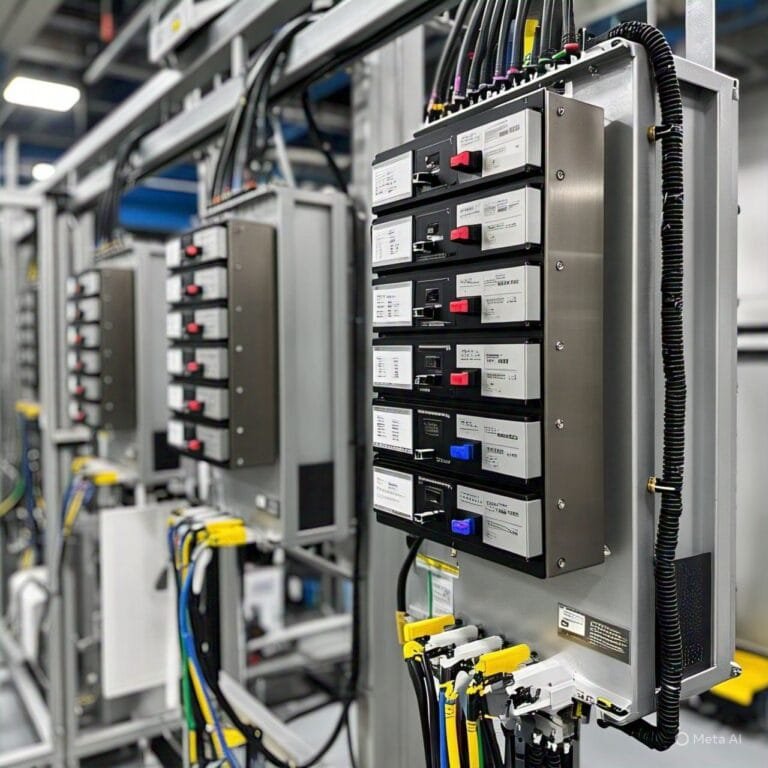
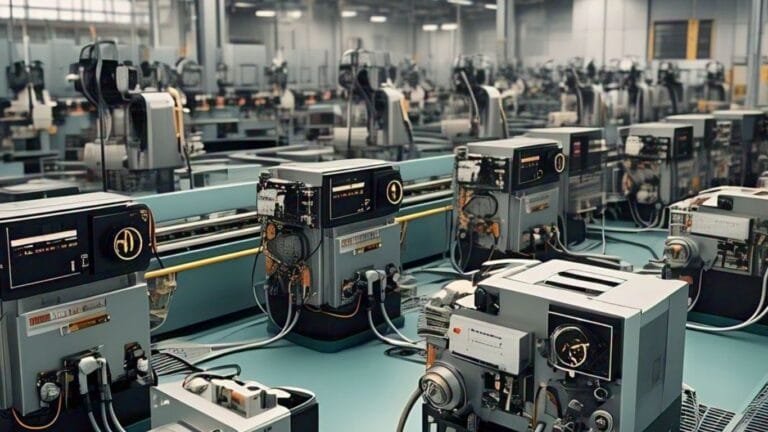
Modern PLC Technologies Driving Smart Factory Innovation and Efficiency focuses on practical industrial guidance for operators, maintenance teams, and automation engineers. The article is written around the search intent for modern plc technologies and is aligned with the technical scope of plchmi.shop.
What this article covers
This post connects field-level decisions to measurable results such as uptime, electrical safety, diagnostic clarity, and lower maintenance effort. It is structured for industrial readers who need useful implementation detail rather than generic marketing language.
Primary focus areas
- smart factory
- data exchange
- connected control
Implementation notes
Use the guidance in this article to verify wiring, validate module compatibility, confirm communication settings, and document the configuration before commissioning. When relevant, tie the article back to your PLC, HMI, meter, drive, or protection hardware so the content supports a complete industrial workflow.
Related internal resources
Use these site pages to reinforce topical authority and improve internal linking:
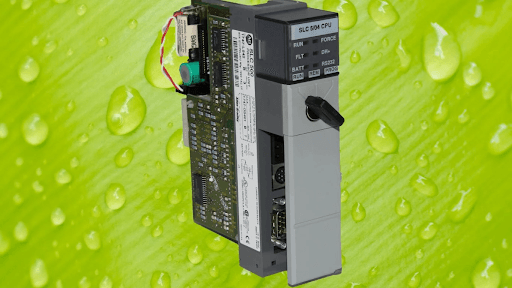
- Product Category / Modicon / Modicon Quantum / Processors
- Hmi Integration Plc And Hmi Integration For Better
- Human Machine Interface Hmi Integration With Plcs
SEO meta description: Explore modern PLC technologies that support smart factory innovation, data exchange, and operational efficiency.
Frequently asked questions
What makes PLCs modern?
Better communications, faster processors, diagnostics, and integration with HMIs and networks.
Do smart factories rely on PLCs?
Yes. PLCs remain the control backbone for many smart factory systems.
Which integration helps the most?
PLC, HMI, SCADA, and power monitoring integration usually provides the highest value.