
Reliable industrial connectivity is the backbone of smart automation. See how gateways, deterministic data, and secure networks boost performance.
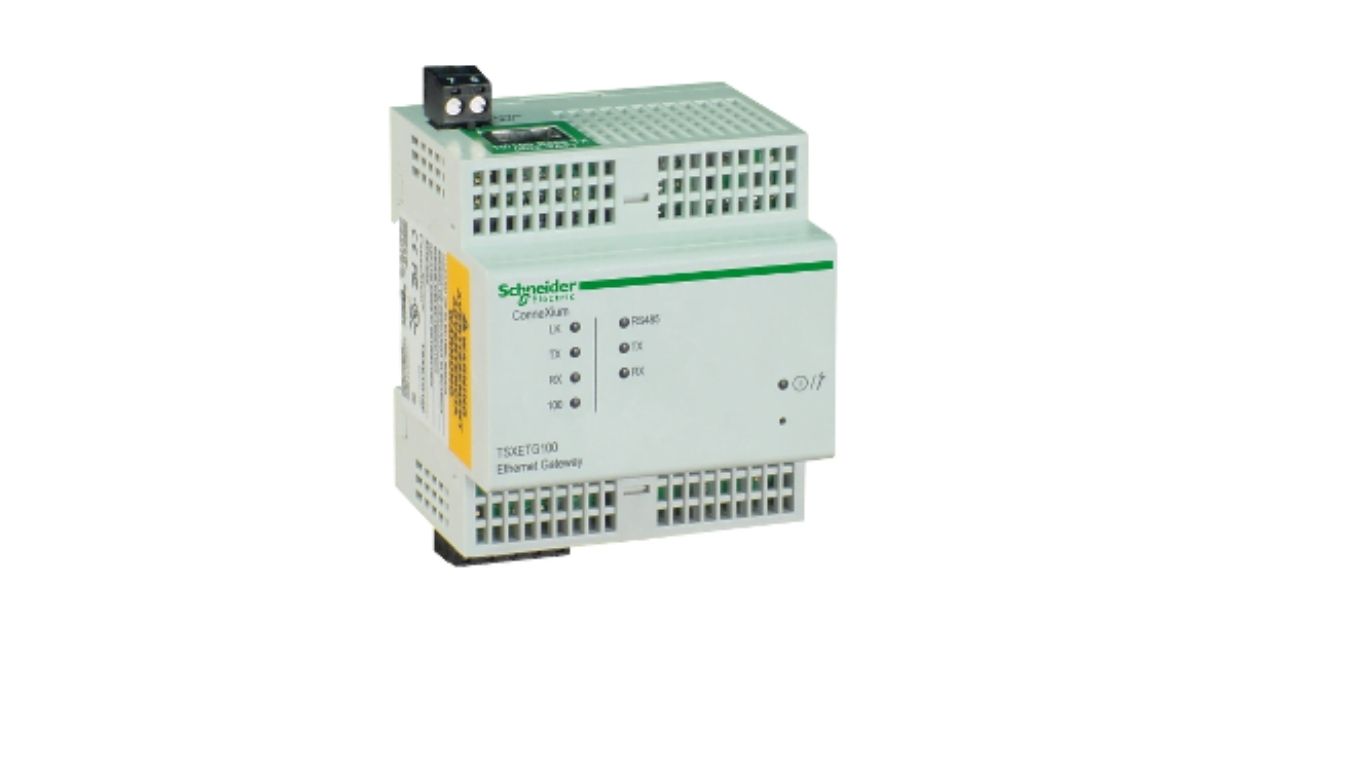
Modern industrial environments demand seamless communication between controllers, devices, and monitoring systems to maintain productivity. Components like the TSXETG100 Ethernet Modbus gateway/router and the 140CPU53414A Modicon Quantum processor show how specialized hardware enables structured data flow, protocol translation, and real-time decisions across complex infrastructure. As automation evolves, industrial connectivity is no longer optional — it’s the backbone of intelligent operations.
The Importance of Reliable Industrial Connectivity
Automation relies on accurate, timely data exchange. Machines, sensors, drives, and supervisory software must communicate continuously without delay or data loss. When connectivity is unreliable, lines slow, quality suffers, and maintenance costs rise. Reliable industrial connectivity ensures real-time performance monitoring, immediate fault detection, centralized supervision of distributed equipment, and accurate synchronization between processes. The communication layer is as critical as the mechanical and electrical components.
Foundations of Smart Automation Architectures
A smart architecture is built on layered communication, where each layer interacts flawlessly:
- Device level: Sensors and actuators generate raw data that must reach controllers instantly for precise responses.
- Control level: Controllers process inputs and issue commands, relying on consistent communication; network delays cause timing errors in motion control or batch sequencing.
- Supervisory level: HMI and supervisory systems analyze aggregated data and store records, enabling predictive maintenance and remote diagnostics — only as good as the connectivity beneath them.
6 Key Characteristics of Effective Industrial Connectivity
1. Deterministic Data Transfer
Industrial processes run on precise timing cycles, so deterministic communication guarantees packets arrive within predictable timeframes — essential for robotics, packaging lines, and synchronized conveyors.
2. Protocol Compatibility
Facilities mix equipment from different generations. Interfaces must translate between protocols like Modbus so legacy systems coexist with modern controllers, allowing gradual upgrades without replacing entire infrastructures.
3. Network Resilience
Harsh environments bring vibration, temperature extremes, and electrical noise. Industrial connectivity hardware must hold stable connections through redundant paths, error detection, and noise immunity.
4. Scalability
Facilities evolve, adding machines, lines, and tools. Scalable communication architectures allow expansion without redesigning the whole network, simplifying upgrades, reducing installation cost, and protecting long-term investment.
5. Integration for Efficiency
Integrated systems unify data across all layers, turning isolated machine islands into cohesive ecosystems. This enables centralized monitoring from a single dashboard, predictive maintenance from continuous health data, and energy optimization by revealing consumption patterns.
6. Reliability and Security Together
As connectivity expands and links to enterprise and remote-access platforms, new vulnerabilities appear. Best practices include network segmentation to isolate critical processes, authentication and encryption, traffic monitoring for anomalies, and regular firmware updates. A network that’s fast but insecure — or secure but unstable — can’t support mission-critical operations.
Future Trends in Industrial Connectivity
- Edge processing: Processing data near its source cuts latency for time-sensitive applications.
- Intelligent diagnostics: Modern communication modules monitor their own health and report status, helping teams act proactively.
- Converged networks: Industrial and enterprise networks are merging into unified infrastructures, simplifying management and enabling cross-department data sharing.
Strategic Implementation Considerations
Building a smart automation architecture takes planning. Before selecting connectivity solutions, evaluate current systems, expansion needs, and environment. Key steps:
- Assess device compatibility requirements
- Determine bandwidth and latency needs
- Identify environmental constraints
- Plan redundancy and failover strategies
- Establish cybersecurity policies
A structured approach keeps the communication backbone robust as operations scale.
Conclusion
Smart automation architectures depend on reliable, high-performance industrial connectivity that links every component into a unified system. Technologies like the TSXETG100 Ethernet Modbus gateway and the 140CPU53414A Modicon Quantum platform show how specialized communication solutions enable efficient data exchange, interoperability, and scalability. By investing in resilient networking infrastructure, industries unlock higher productivity, better visibility, and future-ready capability. Browse our gateways, controllers, and communication modules to build a connected system.
What is industrial connectivity?
Industrial connectivity is the networking and communication layer that links controllers, sensors, drives, HMIs, and supervisory software so they exchange data reliably and in real time. It’s the backbone that lets an automated facility operate as one coordinated system.
What is an Ethernet Modbus gateway used for?
A gateway like the TSXETG100 translates between protocols and networks — for example, connecting Modbus serial devices to an Ethernet TCP/IP network. This lets legacy equipment communicate with modern controllers and supervisory systems without replacing the whole infrastructure.
Why is deterministic communication important in automation?
Many processes run on precise timing cycles. Deterministic communication guarantees data arrives within predictable timeframes, which is essential for synchronized tasks like robotics, conveyors, and packaging where timing errors cause defects or stoppages.
How do I keep industrial connectivity secure?
Segment networks to isolate critical processes, use authentication and encryption, monitor traffic for anomalies, and keep firmware and software updated. Treat reliability and security together — a fast but insecure network can’t safely support mission-critical operations.



One Comment
Comments are closed.