Automation Hardware: 6 Ways to Boost Efficiency and Uptime
Modern industrial systems rely on powerful automation hardware and communication modules to run complex processes with high efficiency and minimal downtime. As industries evolve, so does demand for fast, reliable equipment that handles growing workloads and integrates seamlessly with plant-wide networks. This article explores how advanced automation hardware delivers better operational performance and system reliability across manufacturing and process industries.
How Automation Hardware Evolved
Automation hardware has progressed from basic relay logic to advanced programmable controllers and networked modules. Control systems are now expected to perform intricate logic, process large data volumes, and communicate in real time — all essential for efficiency and consistent quality.
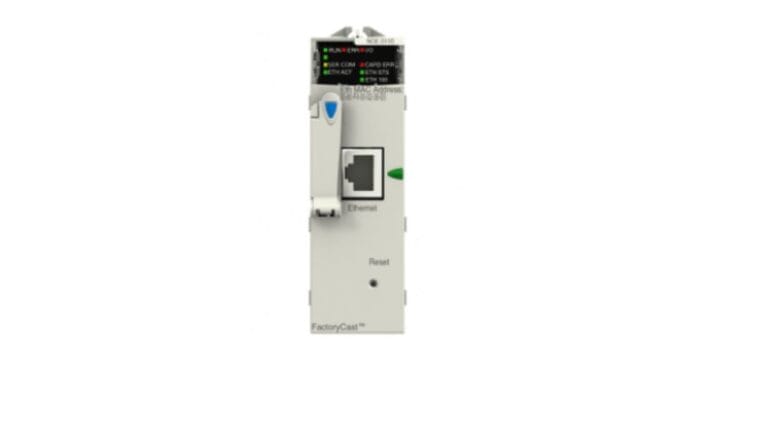
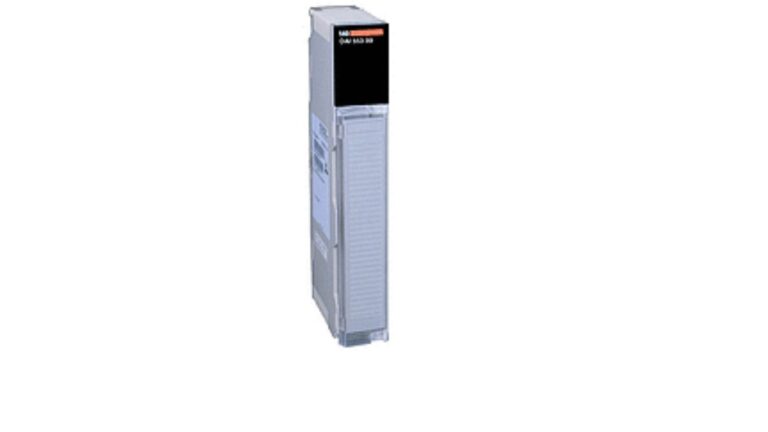
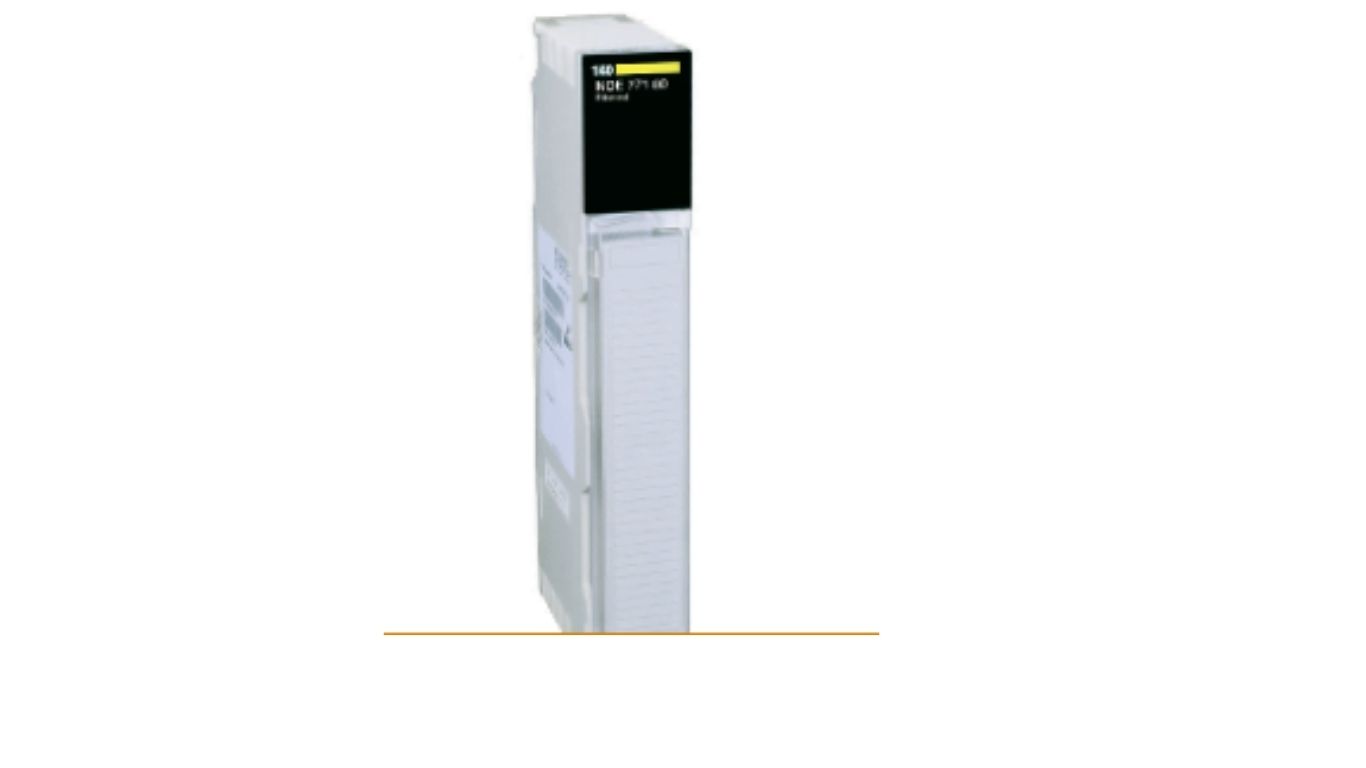
At the core are CPUs that execute control logic and coordinate peripherals. A strong example is the 140CPU53414A Quantum 534 PLC controller, a CPU module built for large, sophisticated applications with scalable architecture and multiple communication interfaces. Paired with a network module like the 140NOE77100 Ethernet TCP/IP module, systems transfer data rapidly across plant networks, linking controllers, SCADA, HMIs, and higher-level systems so production data flows smoothly.
1. Reducing Downtime With Reliable Automation Hardware
A key benefit of modern automation hardware is reliability. Industrial CPUs deliver robust performance with large memory and deterministic logic execution, housed in rugged frames that withstand temperature swings, electrical noise, and vibration. The result is fewer failures and less unplanned downtime. Ethernet network modules add redundancy options: if a segment fails, alternate routes maintain control without interrupting production.
2. Seamless Communication With Industrial Networks
Automation hardware doesn’t operate in isolation — controllers and modules exchange data across networks using standard protocols. Industrial Ethernet has become the backbone of many plants, enabling real-time control over the same infrastructure as business systems. Modules using Modbus TCP/IP let controllers, databases, and supervisory systems interoperate, reducing reliance on proprietary networking and lowering cost. For larger systems, network modules add diagnostic tools and web interfaces so engineers can monitor network health and troubleshoot remotely.
3. Scalability and Flexibility in Automation Hardware
Modern platforms are designed for scalability. Whether controlling a single machine or a full line, modular automation hardware expands as needed — high-power CPUs handle complex logic while communication modules enable distributed control across remote stations. Companies adapt to changing production needs without a full overhaul; adding new I/O or interfaces extends capability without disrupting operations.
4. Data-Driven Decision Making and Process Optimization
As systems interconnect, they generate vast operational data. Controllers that support Ethernet TCP/IP can stream this to analytics platforms or the cloud, enabling a shift from reactive to predictive maintenance and strategic decisions based on real-time metrics. Streamlined data also powers dashboards and smart alerts, improving responsiveness and cutting costly delays.
5. Rugged Reliability for Harsh Environments
Industrial-grade automation hardware is engineered to survive the factory floor — heat, dust, moisture, and constant vibration. Deterministic execution and sealed, rugged construction keep control loops responsive and predictable, which is what ultimately protects uptime in demanding plants.
6. Applications Across Diverse Industries
- Manufacturing: Synchronized machine coordination and precise batch control.
- Energy: Rugged hardware monitors substations, turbines, and renewable sources.
- Oil & gas: Reliable CPUs run drilling control, safety shutdowns, and pipeline monitoring.
- Water treatment: Networked data manages pumps, chemical dosing, and filtration.
- Food & beverage: Precise control and networking support traceability and compliance.
Across all sectors, powerful controllers plus robust HMIs and communication modules mean greater uptime, better efficiency, and lower risk.
Competitive Landscape: Control Hardware and Network Modules
| Product Type | Core Module | Key Competitor Models |
|---|---|---|
| CPU / Controller | 140CPU53414A Quantum 534 PLC | Siemens S7-1500 CPU, Allen-Bradley ControlLogix, Mitsubishi MELSEC |
| Ethernet Network Module | 140NOE77100 Ethernet TCP/IP | AB 1756-ENET, Siemens CP 1543, Mitsubishi Ethernet modules |
Engineers choose specific models based on system requirements, integration needs, and existing infrastructure — but the goal stays the same: robust control and seamless communication.
Conclusion
Modern automation hardware — programmable control units and advanced Ethernet modules like the 140NOE77100 TCP/IP module — has transformed how industrial systems operate. With enhanced processing power, network connectivity, and rugged durability, these components drive higher efficiency, better data visibility, and stronger reliability. By leveraging advanced platforms and network modules, organizations achieve faster response, less downtime, and more informed decisions. Browse our Quantum controllers and network modules to upgrade your system.
What is automation hardware?
Automation hardware is the physical equipment that runs an industrial control system — CPUs/controllers, I/O modules, communication and network modules, and HMIs. Together they execute control logic, move data between devices, and keep processes running reliably.
How does automation hardware reduce downtime?
Industrial CPUs offer deterministic, rugged performance that resists heat, vibration, and noise, lowering failure rates. Redundant network modules provide alternate communication paths so a single segment failure doesn’t stop production.
Why is Ethernet TCP/IP important in automation?
Ethernet TCP/IP is a standardized protocol that lets controllers, SCADA, HMIs, and databases communicate over common infrastructure. It improves interoperability, simplifies expansion, supports remote diagnostics, and reduces reliance on costly proprietary networks.
How does modern automation hardware support data-driven decisions?
Networked controllers stream operational data to analytics platforms and the cloud. Teams use it to spot bottlenecks, predict failures, and move to proactive maintenance — turning raw performance data into strategic, real-time decisions.