Industrial Networking: 6 Proven Adoption Strategies
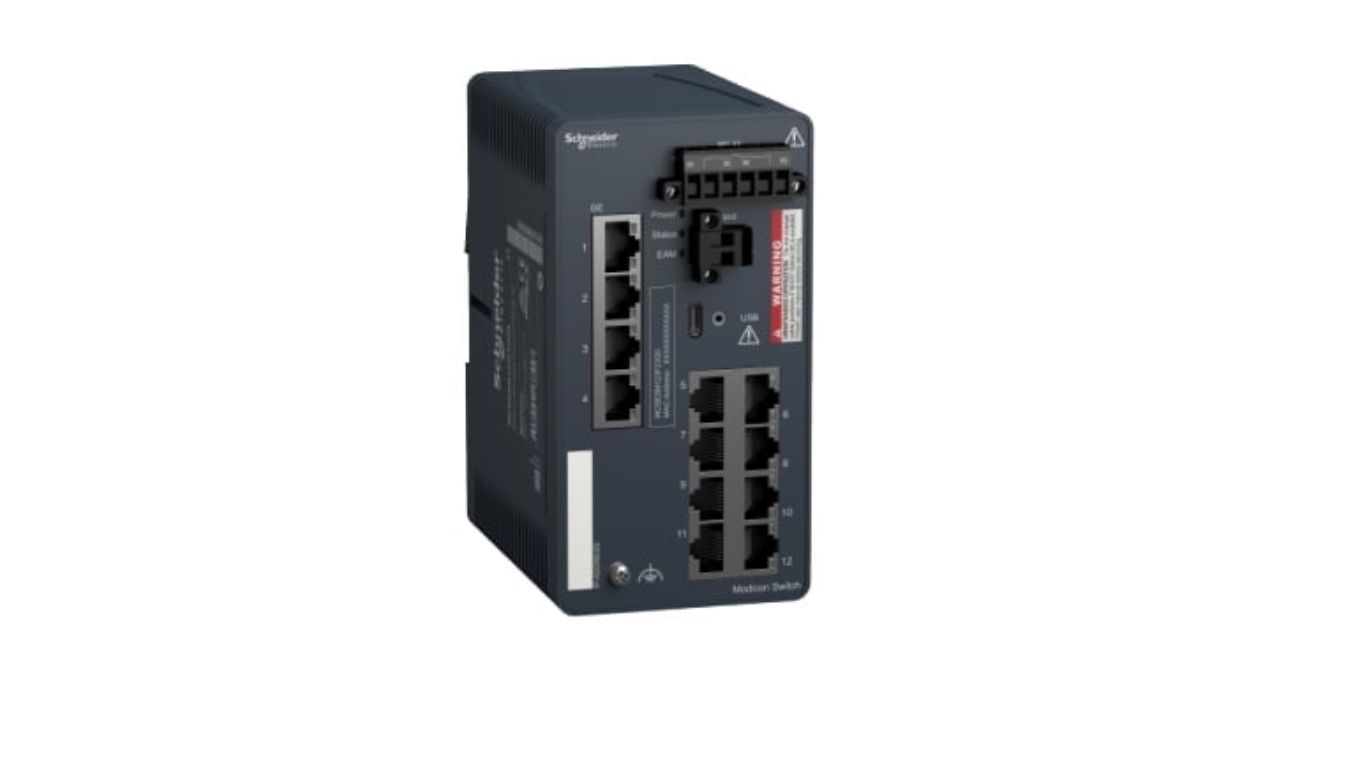
Industrial networking has become the backbone of modern automation, manufacturing, energy management, and infrastructure. As facilities digitize, the need for reliable, scalable, and secure communication grows fast. Adopting the right networking technology is no longer optional — it’s a strategic necessity that determines efficiency, uptime, safety, and competitiveness. This guide covers practical strategies for implementing industrial networking, key considerations before deployment, and how specialized hardware like the MCSESM123F23G0 Modicon managed switch fits into a well-designed architecture.
Understanding Industrial Networking Fundamentals
Industrial networking differs from office networking. Enterprise systems prioritize speed and throughput, but industrial environments must also handle harsh conditions, electromagnetic interference, vibration, and temperature extremes.
- Reliability over raw speed: Consistent communication matters more than peak performance. A slight delay is tolerable, but a dropped signal can halt production or trigger safety risks, so infrastructure must be built for stability, redundancy, and fault tolerance.
- Deterministic communication: Many processes require data to arrive within predictable timeframes — critical for synchronized machinery, robotics, and control loops. Specialized switches and protocols ensure this precision.
6 Strategies for Successful Industrial Networking
1. Plan Before Deployment
Strategic planning prevents costly redesigns. Start with a network assessment — evaluate bandwidth usage, device counts, protocol types, and environmental conditions to reveal performance gaps and compatibility needs.
2. Design for Scalability
Industrial operations add sensors, controllers, and monitoring devices over time. A network designed for scalability grows without major structural changes, protecting your investment.
3. Build Security Into the Architecture
As systems connect to external networks, cybersecurity becomes critical. Segment networks, control access, and monitor traffic to protect operational technology from intrusion.
4. Select the Right Hardware
Industrial-grade components are built for demanding, mission-critical environments. Managed switches provide traffic prioritization, VLAN segmentation, and remote monitoring, letting administrators monitor traffic in real time, configure redundancy, isolate faults quickly, and optimize bandwidth. Reliable configuration accessories — like a Schneider Electric VJD USB programming cable — ensure accurate parameter setup and fewer commissioning errors.
5. Design a Robust Topology
A well-structured architecture ensures performance and resilience:
- Star topology — easy management and troubleshooting.
- Ring topology — redundancy with rapid failover.
- Mesh topology — maximum reliability for critical systems.
Add redundancy through backup communication paths, duplicate power supplies, or parallel switches, and segment networks into logical zones so time-critical control traffic isn’t delayed by less urgent data.
6. Implement, Test, and Document
Follow structured cabling standards and clear labeling — organized installs cut troubleshooting time. Test under simulated load to verify latency, packet loss, redundancy switching, and compatibility before going live. Maintain detailed documentation of configurations, IP schemes, firmware versions, and hardware locations to simplify upgrades and training.
Maintenance and Continuous Optimization
Industrial networks aren’t static. Real-time monitoring tracks bandwidth, error rates, and device health so anomalies are caught early. Keeping firmware current improves stability, security, and compatibility, while periodic audits ensure the network keeps meeting operational requirements as the facility expands.
Training and Workforce Readiness
Technology succeeds only when personnel can use and maintain it. Training should cover network fundamentals, device configuration, cybersecurity awareness, and emergency response. A knowledgeable workforce reduces downtime and improves reliability.
Future Trends in Industrial Networking
- Integration with smart systems: Analytics, predictive maintenance, and intelligent monitoring depend on reliable networks handling higher data volumes in real time.
- Edge processing: Processing data near the source reduces latency and bandwidth use while maintaining synchronization across distributed nodes.
- Increased automation: Autonomous systems and robotics demand ultra-reliable communication, driving demand for specialized switching, deterministic protocols, and advanced diagnostics.
Conclusion
Adopting modern industrial networking is a strategic investment that boosts productivity, reliability, and operational insight. From planning and hardware selection to architecture design and ongoing maintenance, each step builds a resilient communication infrastructure. Purpose-built components like the MCSESM123F23G0 Modicon managed switch for connectivity and a Schneider VJD USB cable for configuration show how the right tools support efficient deployment. Done correctly, industrial networking is the foundation for smarter operations, better safety, and sustainable growth. Browse our managed switches and networking hardware to build your architecture.
How is industrial networking different from office networking?
Industrial networking prioritizes reliability, determinism, and durability over raw speed. It must survive electromagnetic interference, vibration, and temperature extremes, and guarantee that time-critical control messages arrive predictably — because a dropped signal can stop production or create a safety hazard.
What is a managed switch and why use one?
A managed switch lets administrators configure and monitor the network — traffic prioritization, VLAN segmentation, redundancy protocols, and remote diagnostics. In industrial settings this control is essential for isolating faults quickly and keeping time-sensitive communication consistent.
Which network topology is best for industrial systems?
t depends on priorities. Star topology is easy to manage and troubleshoot, ring topology adds redundancy with fast failover, and mesh offers maximum reliability for critical systems. Many plants combine them, using ring or mesh where uptime is most important.
How do I keep an industrial network secure and reliable?
segment the network into zones, enforce access control, and monitor traffic continuously. Use industrial-grade hardware, keep firmware updated, build in redundancy, test under load before deployment, and run periodic audits as the facility grows.