Secure Communication: 6 Ways to Protect Automated Plants
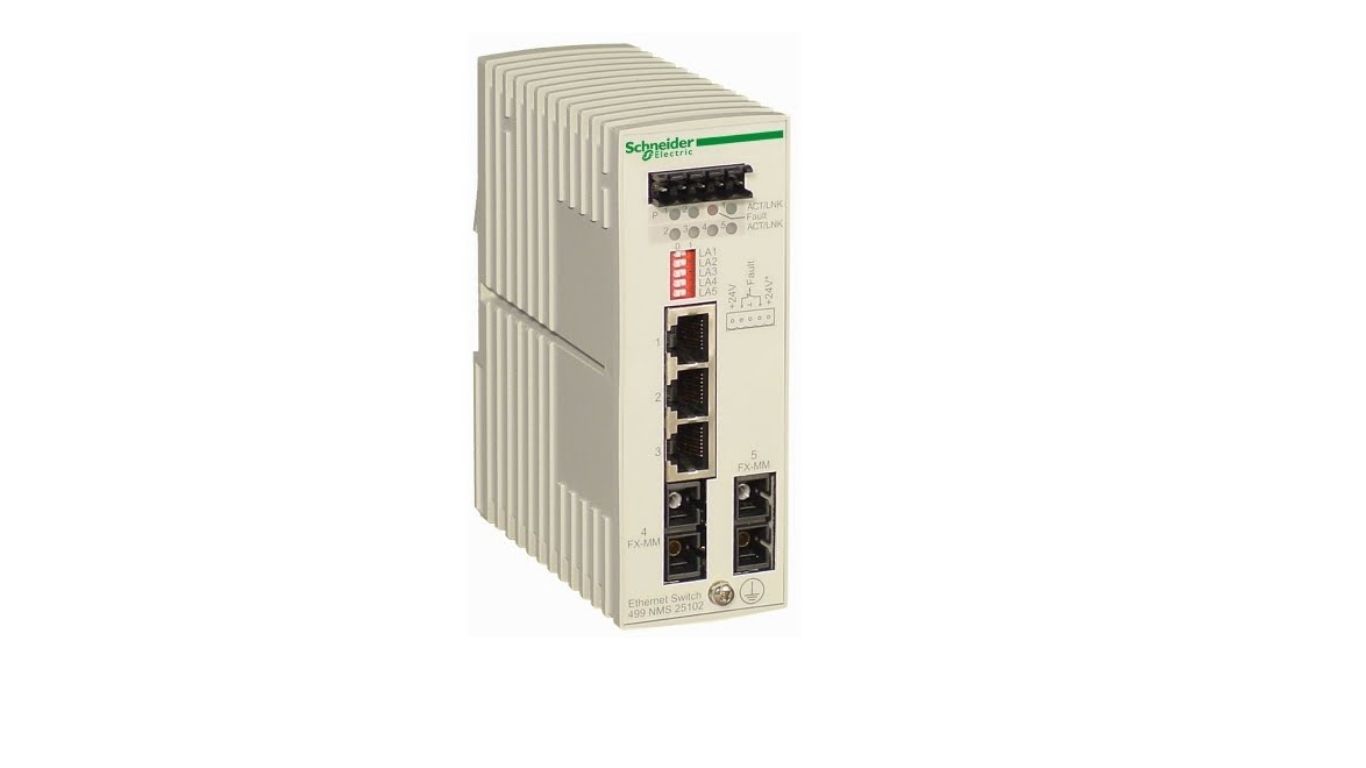
Modern automated production relies on interconnected machines, sensors, controllers, and monitoring interfaces continuously exchanging data — often through specialized infrastructure like the 499NMS25102 ConneXium Ethernet TCP/IP switch that keeps data flowing between devices. As industries move toward smart manufacturing, secure communication has become essential infrastructure, not an optional enhancement. Without reliable, protected data transmission, even advanced automation can suffer failures, downtime, or security breaches.
The Growing Importance of Secure Communication
Industrial automation depends on real-time data exchange: machines coordinate actions, controllers send instructions, and monitoring systems collect metrics. If channels are compromised or unstable, operations slow or halt. Secure communication keeps data accurate, confidential, and available, protecting against interference, corruption, and unauthorized access. In manufacturing plants, energy facilities, and logistics hubs, a single communication failure can disrupt schedules, damage equipment, or compromise worker safety.
Key Risks Facing Automated Networks
- Cybersecurity threats: As production systems connect to enterprise networks and the cloud, they become targets. Unauthorized access can cause data theft, operational manipulation, or shutdowns — which is why frameworks like the NIST Cybersecurity Framework matter for industrial settings.
- Signal interference: Heavy machinery, electromagnetic noise, and physical obstructions can disrupt signals without protective design.
- Equipment failure: Hardware faults, overheating, or power fluctuations interrupt communication unless redundancy and monitoring exist.
6 Ways to Build Secure Communication
1. Network Segmentation
Dividing networks into logical sections limits the spread of faults or attacks. Separating control systems from administrative networks, as CISA recommends for industrial control systems, prevents unauthorized access from reaching production.
2. Redundancy
Redundant pathways keep communication alive if one connection fails. Ring or mesh topologies are common for maintaining connectivity in critical environments.
3. Traffic Prioritization
Time-sensitive data must transmit without delay. Prioritizing critical signals prevents congestion from slowing essential communications.
4. Strong Access Control and Encryption
Authentication, authorization, and encryption protect networks from unauthorized use. Limiting access to essential personnel and encoding data in transit preserve confidentiality and integrity.
5. Industrial-Grade Networking Equipment
Industrial networking devices manage traffic, prioritize critical data, and isolate segments while withstanding harsh conditions. Reliable structured cabling and shielding further reduce signal loss. Pair them with trustworthy operator interfaces — equipment like the HMIGTO1310 advanced touchscreen panel ensures commands and feedback between machines and operators stay accurate.
6. Continuous Monitoring
Real-time monitoring tools detect unusual activity or performance issues, allowing teams to address problems before they escalate.
Benefits of Secure Communication in Automation
Investing in secure communication delivers measurable advantages: improved reliability through stable, protected transmission that reduces downtime; enhanced safety by ensuring emergency and shutdown commands arrive instantly; greater operational visibility from continuous monitoring; and regulatory compliance with strict data-protection and safety standards, helping avoid penalties.
Best Practices for Implementation
Adopting secure communication takes strategy, not isolated upgrades. Start with a network assessment to identify vulnerabilities and performance needs. Use industrial-grade equipment built for temperature, vibration, and interference tolerance. Apply strong access controls — authentication, authorization, and encryption — and monitor continuously so early detection prevents escalation.
The Role of Training and Awareness
Even the most secure system fails if users lack knowledge. Personnel should understand network basics, recognize warning signs, and follow security procedures. Organizations that invest in workforce education see fewer disruptions because employees troubleshoot minor problems before they become major failures.
Future Outlook for Industrial Communication Security
As automation advances, communication systems must handle more data and devices. Edge computing, predictive analytics, and AI all depend on reliable connectivity, and security stays a top priority as the value of industrial data grows. Future networks will likely add advanced encryption, intelligent monitoring, and self-healing capabilities that detect threats, isolate faults, and restore communication automatically.
Conclusion
Secure communication is fundamental to automated production worldwide. It protects data integrity, maintains continuity, and ensures safe interaction between machines and personnel. Industrial setups often rely on specialized components like the 499NMS25102 ConneXium switch and the HMIGTO1310 touchscreen panel for dependable, protected data exchange. By combining robust hardware, thoughtful network design, and proactive maintenance, organizations build communication systems that sustain productivity and safety. Browse our ConneXium switches and HMI panels to strengthen your network.
What is secure communication in industrial automation?
Secure communication is the protected, reliable exchange of data between machines, controllers, and monitoring systems. It keeps data accurate, confidential, and available, defending against cyberattacks, signal interference, and unauthorized access in automated environments.
What are the biggest threats to industrial networks?
The main risks are cyberattacks (as systems connect to enterprise and cloud networks), electromagnetic signal interference from heavy machinery, and equipment failure from heat, power fluctuations, or hardware faults. Each can interrupt the data flow automation depends on.
How does network segmentation improve security?
Segmentation divides the network into isolated logical zones, so a fault or attack in one area can’t spread. Separating control systems from administrative and internet-facing networks is a core practice that limits the impact of any single breach.
Why is industrial-grade networking equipment important?
ndustrial switches and HMIs are built to run continuously through temperature extremes, vibration, and electrical noise that would disrupt standard IT hardware. They also prioritize critical traffic and isolate segments, which keeps time-sensitive control data reliable and secure.