Plant Efficiency: 6 Proven Networking Wins for Uptime
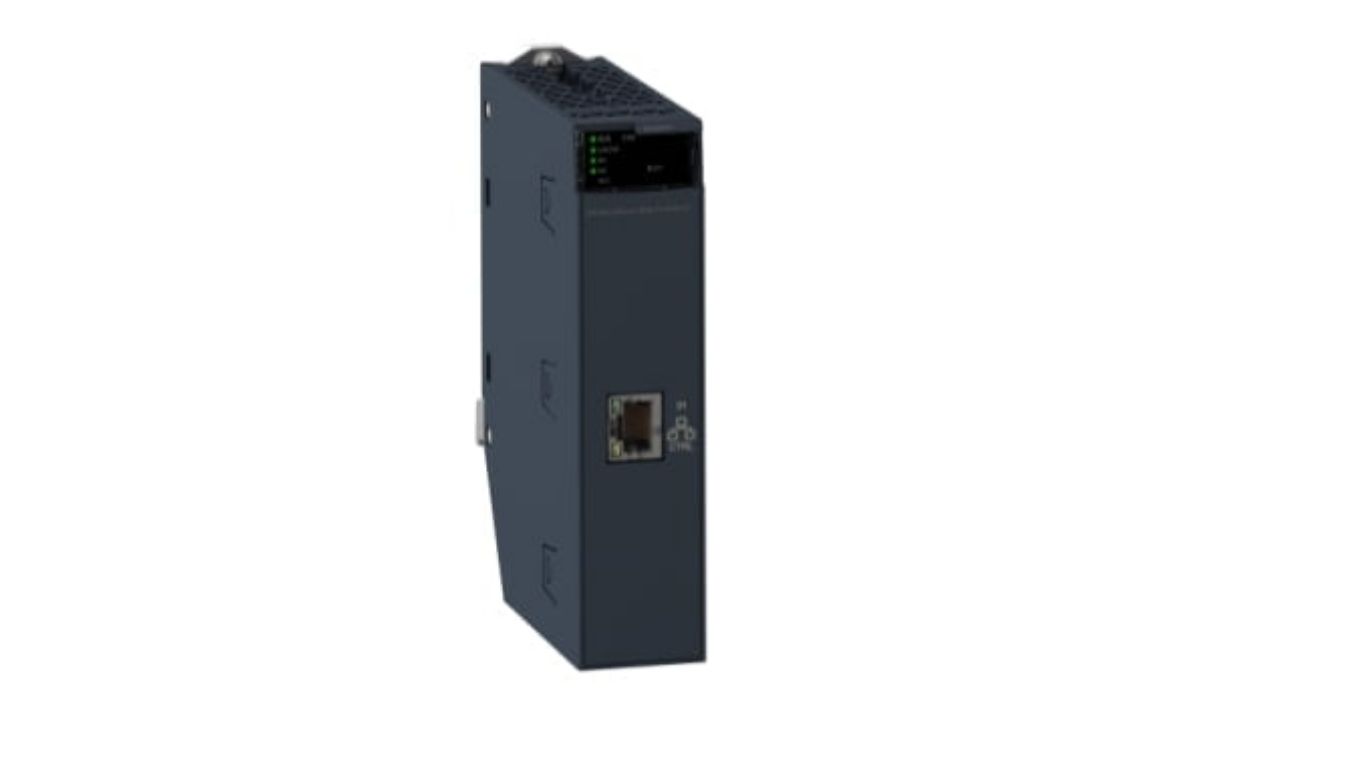
In modern industrial environments, efficiency is no longer driven solely by machinery performance — it increasingly depends on how effectively systems communicate. Seamless data flow, real-time responsiveness, and resilient networks are critical for plants under tight production targets. Solutions like the BMENUA0100 communication module for Modicon M580 show how advanced communication frameworks support faster decisions, less downtime, and scalable automation — and how directly networking drives plant efficiency in mission-critical operations.
The Role of Networking in Plant Efficiency
Industrial plants rely on constant coordination between controllers, sensors, actuators, and supervisory systems. When communication is slow or unreliable, even high-performing equipment becomes a bottleneck. Robust networking moves operational data securely and predictably across the plant, enabling synchronized processes and minimizing delays that hurt throughput. Traditionally, many facilities ran isolated control systems that limited visibility; modern networking integrates operational layers so production data is shared across departments, helping teams find inefficiencies faster and respond before issues escalate.
6 Networking Wins That Boost Plant Efficiency
1. Reliability and Redundancy
Mission-critical environments demand networks that perform consistently through temperature swings, electrical noise, and continuous operation. A well-designed network prioritizes redundancy, error detection, and fault tolerance to hold performance even when components fail.
2. Real-Time Data Transmission
Efficiency gains are tied to how fast information travels. Real-time communication lets control systems adjust parameters instantly from sensor feedback — essential for precisely timed processes like motion control, batching, and safety interlocks where delays mean waste or risk.
3. Security Without Latency
As networks connect, security concerns grow, but protection must balance performance. Effective design uses secure protocols, access controls, and monitoring that protect data integrity without adding latency that disrupts operations.
4. Centralized Visibility and Faster Troubleshooting
Robust networking lets centralized systems collect plant-wide data for trend analysis and informed decisions, supporting continuous improvement and accurate production planning — measured through metrics like overall equipment effectiveness. When issues occur, networked systems give immediate diagnostic access, so teams pinpoint problems quickly, cut mean time to repair, and reduce downtime.
5. Scalability and Future Readiness
Efficient plants design for growth. A scalable network absorbs new equipment, lines, or process changes without a complete redesign, and modular communication architectures make expansion easy. Strong networking also lays the foundation for predictive maintenance, digital twins, and process optimization, all of which depend on consistent, high-quality data exchange.
6. Standardization and Interoperability
Standardized networking reduces complexity, smooths integration, and lowers training needs and configuration errors. Open standards like OPC UA bridge legacy systems and modern platforms, letting plants modernize incrementally instead of through disruptive, large-scale replacements.
Long-Term Impact on Operational Excellence
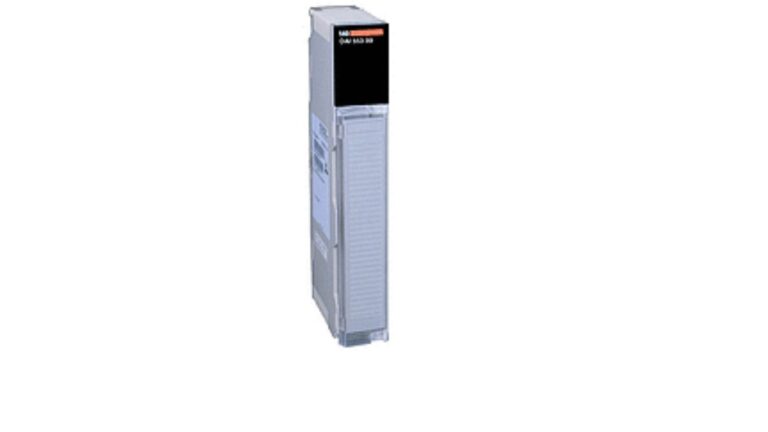
Efficient communication gives better control over energy and material use — real-time data lets systems adjust dynamically, reducing waste and improving resource efficiency, with incremental gains that significantly cut operating costs over time. Networks designed for mission-critical operations also build resilience, helping facilities withstand equipment failures or external disruptions while maintaining safe, efficient operation. A high-speed module like the 140EHC10500 high-speed counter is one example of hardware that keeps time-critical data accurate within this backbone.
Conclusion
Improving plant efficiency isn’t just about upgrading machines — it’s about strengthening the communication backbone connecting every part of the operation. By investing in robust networking and leveraging technologies like the Modicon M580 alongside the 140EHC10500 high-speed counter module, facilities achieve greater reliability, scalability, and performance. In mission-critical environments, strong communication infrastructure becomes a strategic asset that supports long-term operational excellence and sustainable growth. Browse our M580 controllers and communication modules to strengthen your plant’s backbone.
How does networking improve plant efficiency?
Reliable, real-time networking keeps controllers, sensors, and supervisory systems synchronized, so processes don’t stall waiting on data. It enables instant parameter adjustments, centralized visibility, and faster troubleshooting — all of which reduce downtime and raise throughput.
What makes a network suitable for mission-critical operations?
It must perform consistently in harsh conditions and prioritize redundancy, error detection, and fault tolerance so the system keeps running if a component fails. Real-time, deterministic data transmission and secure-but-low-latency design are also essential.
How does standardized networking reduce costs?
Common communication standards simplify integration, lower training requirements, and reduce configuration errors. Open standards like OPC UA let legacy and modern equipment coexist, so plants can modernize incrementally instead of replacing entire systems at once.
Can robust networking support future technologies?
Yes. Predictive maintenance, digital twins, and advanced process optimization all depend on consistent, high-quality data. A scalable, standardized network provides that data foundation, so plants with strong infrastructure can adopt new technologies as needs evolve.