
User-Friendly Controls: 7 Smart Tips for Harsh Plants
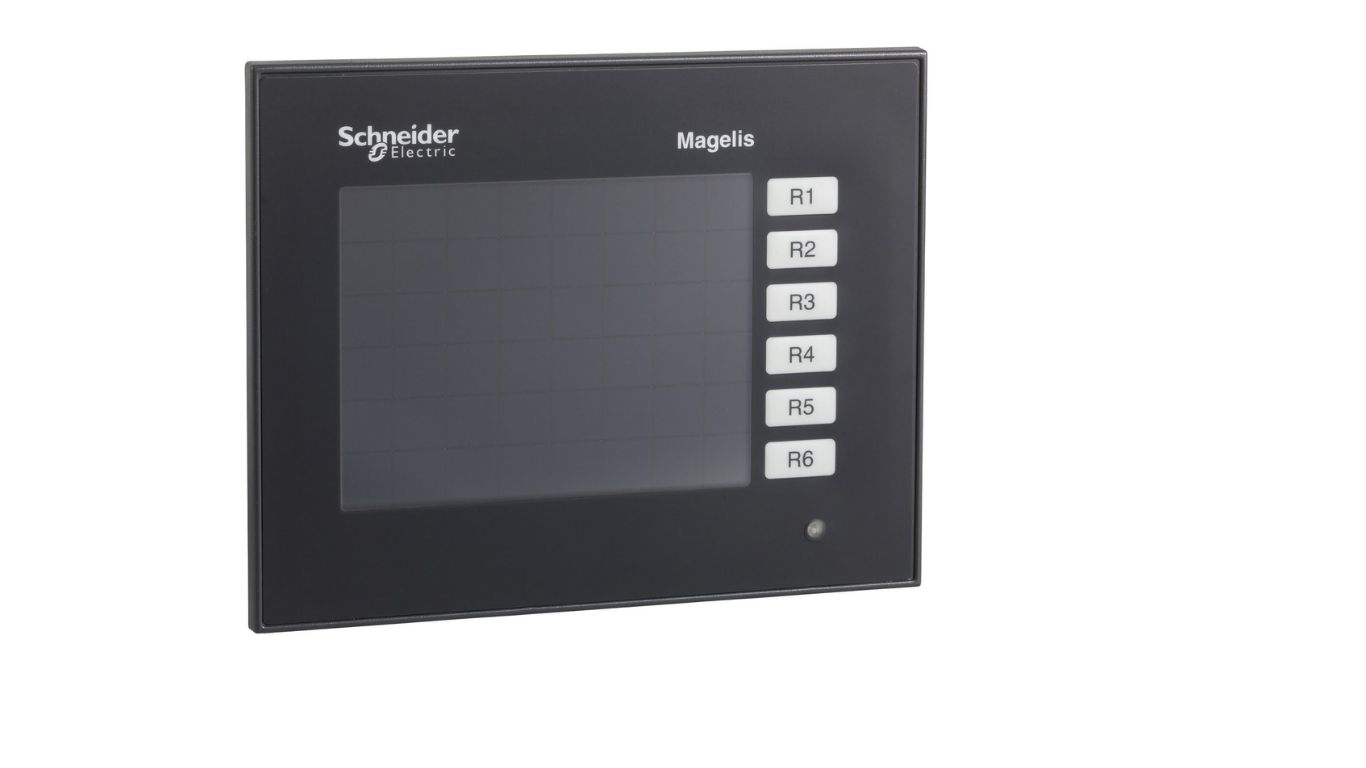
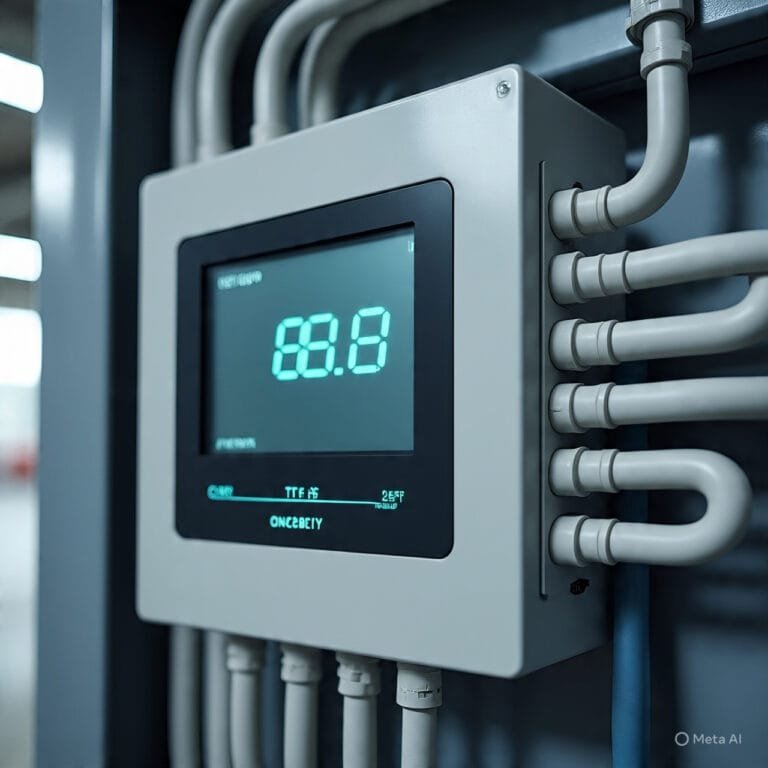
Industrial environments such as manufacturing plants, processing facilities, and outdoor installations often present extreme challenges for control systems. Dust, vibration, moisture, temperature fluctuations, and continuous operation can quickly expose weaknesses in poorly planned interfaces. In these conditions, user-friendly controls are not a luxury — they directly affect safety, accuracy, and uptime. Selecting and deploying durable yet intuitive panels such as the XBTGT2330 and XBTGT1100 advanced touchscreen panels helps operators work confidently under pressure. A thoughtful deployment strategy ensures both long-term reliability and ease of use. Here are 7 smart tips for deploying user-friendly controls that last.
Why User-Friendly Controls Struggle in Harsh Facilities
Harsh facilities are defined by conditions that go beyond standard office or laboratory environments. These may include high humidity, airborne particles, corrosive substances, constant vibration, or extreme heat and cold. Control systems must function accurately without degradation despite prolonged exposure to these elements.
Operators in these environments often wear gloves, protective eyewear, or other safety gear that makes interaction more difficult. Noise, poor lighting, and time-sensitive decision-making add further complexity. User-friendly controls must compensate for these realities rather than assume ideal working conditions.
1. Prioritize Simplicity and Clarity
In harsh facilities, simplicity is not a luxury — it is a necessity. Interfaces should present only essential information, avoiding clutter or unnecessary animations. Clear labeling, logical grouping of functions, and consistent layouts reduce cognitive load and minimize errors during critical operations. Well-designed user-friendly controls let an operator focus on the task rather than on decoding the screen.
2. Make Visuals Readable in All Conditions
Screens must remain readable under varying lighting, including glare from sunlight or dim indoor areas. High-contrast color schemes, large fonts, and clear icons help operators understand system status at a glance. Readability is one of the most overlooked traits of dependable controls, yet it determines how fast a team can react during abnormal conditions.
3. Place Hardware for Physical Accessibility
Where a control interface is mounted significantly impacts usability. Panels should sit at comfortable viewing heights and angles, away from excessive heat sources or areas prone to direct impact. Proper placement reduces operator fatigue and improves overall workflow efficiency. User-friendly controls should also remain responsive to users wearing gloves or using tools, with adequate spacing between on-screen elements to prevent accidental inputs.
4. Design for Protective Gear and Ergonomics
When precision is compromised by gloves or protective equipment, touch targets and zones must be generous. Following established human factors and ergonomics principles keeps interaction reliable even when operators cannot apply fine motor control, reducing mis-taps that lead to errors or unsafe actions in critical moments.
5. Build in Redundancy and Fail-Safe Behavior
In environments where downtime is costly or dangerous, redundancy is essential. Critical user-friendly controls should have backup access points or alternative methods of operation, and fail-safe behaviors should move the system to a safe state during unexpected failures. User confidence also rises when systems behave predictably — immediate visual or audible feedback after an input reassures operators that commands were received and executed correctly.
6. Plan for Maintenance and Long-Term Usability
Dust and debris accumulation is common, so interfaces should be easy to clean without complex disassembly. Smooth surfaces and sealed designs with a high IP ingress-protection rating prevent contaminants from interfering with functionality. Operational requirements also evolve over time, so controls should allow software updates and interface adjustments without major downtime, making it easier to adapt to new processes or regulatory requirements.
7. Standardize, Train, and Test in Real Conditions
Even the most robust system fails if operators struggle to use it. Standardized interface layouts across different machines reduce training time and let staff transfer knowledge easily between systems. Concise documentation and built-in on-screen guidance support troubleshooting and infrequent tasks. Before full deployment, test user-friendly controls under conditions that mimic real-world use — vibration, temperature changes, and contaminants — and gather operator feedback, since the end users are often the first to notice usability issues.
Conclusion
Deploying user-friendly controls in harsh facilities requires a careful balance between durability, clarity, and human-centered design. By focusing on environmental challenges, operator needs, and long-term maintenance, organizations create interfaces that enhance safety and productivity. Rugged panels like the XBTGT2330 and XBTGT1100 show how well-planned Schneider Electric controls remain intuitive and dependable even in the most demanding environments. Browse our HMI panels to find rugged, user-friendly controls for your plant.
What makes a control panel user-friendly in harsh environments?
User-friendly controls use simple, uncluttered layouts, high-contrast readable visuals, glove-friendly touch spacing, and consistent design. In harsh plants they also need durability — sealed, high-IP-rated enclosures — so they stay clear and reliable despite dust, vibration, and temperature swings.
How do I make an HMI readable in bright sunlight or dim areas?
Use high-contrast color schemes, large fonts, and clear icons, and choose panels with bright, anti-glare displays. Mount them at comfortable viewing angles away from direct glare so operators can read system status instantly.
Why is redundancy important for controls in harsh facilities?
Where downtime is costly or dangerous, redundant access points and fail-safe behavior keep operations safe if a component fails. The system moves to a safe state and operators retain control, preventing accidents and unplanned stoppages.
How should rugged control panels be maintained?
Choose sealed, smooth-surface panels with a high IP rating so they are easy to clean without disassembly. Keep firmware updated, inspect connections for dust and corrosion, and test under real conditions periodically to catch issues early.


One Comment
Comments are closed.