Input Handling: 6 Proven Ways to Boost Factory Accuracy
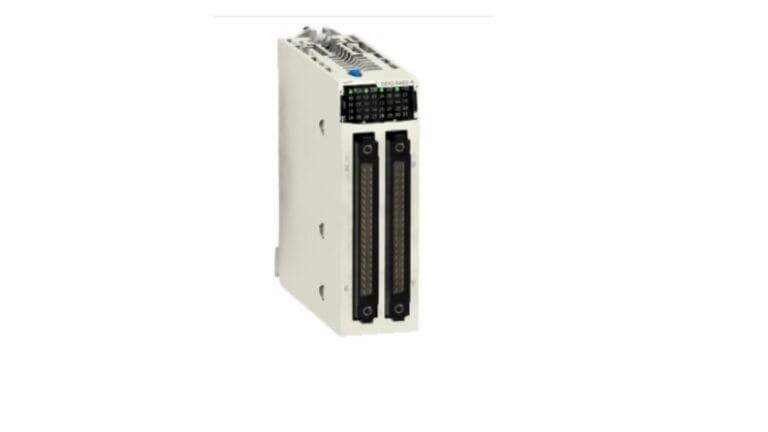
Modern factories operate where precision is no longer optional. Tighter tolerances, faster cycles, and more automation mean even small data errors cause downtime, quality defects, or safety risks. Accuracy begins with how real-world signals — switch states, sensor outputs, machine statuses — are captured and interpreted by control systems. Input handling technology plays a critical role here, and solutions like the 140DDI84100 discrete input module for Modicon Quantum support reliable signal acquisition, transmitting field data accurately so physical operations are reflected correctly in automated decisions.
Understanding Input Handling Technology
Input handling is the method by which control systems receive, filter, and process signals from field devices. These signals are typically binary — on or off, open or closed — and must be interpreted without ambiguity. Dependable input handling captures signals accurately even in electrically noisy or mechanically harsh environments, forming the foundation for precise automation. Unreliable input data cascades into larger failures: a missed signal can stop a line, and a false signal can trigger incorrect machine actions. Dependable input handling reduces these risks by stabilizing signal acquisition and ensuring consistency.
6 Ways Accurate Input Handling Boosts Performance
1. Reducing Errors at the Source
Accuracy starts at the signal level. When input data is clean, downstream processes — logic execution, motion control, quality checks — operate without compensating for uncertainty, reducing manual intervention and error correction later.
2. Supporting Real-Time Decision Making
Factories increasingly rely on real-time data. Dependable input handling ensures that data reflects actual floor conditions, letting automated systems respond quickly and appropriately to production changes.
3. Using Well-Designed Discrete Input Modules
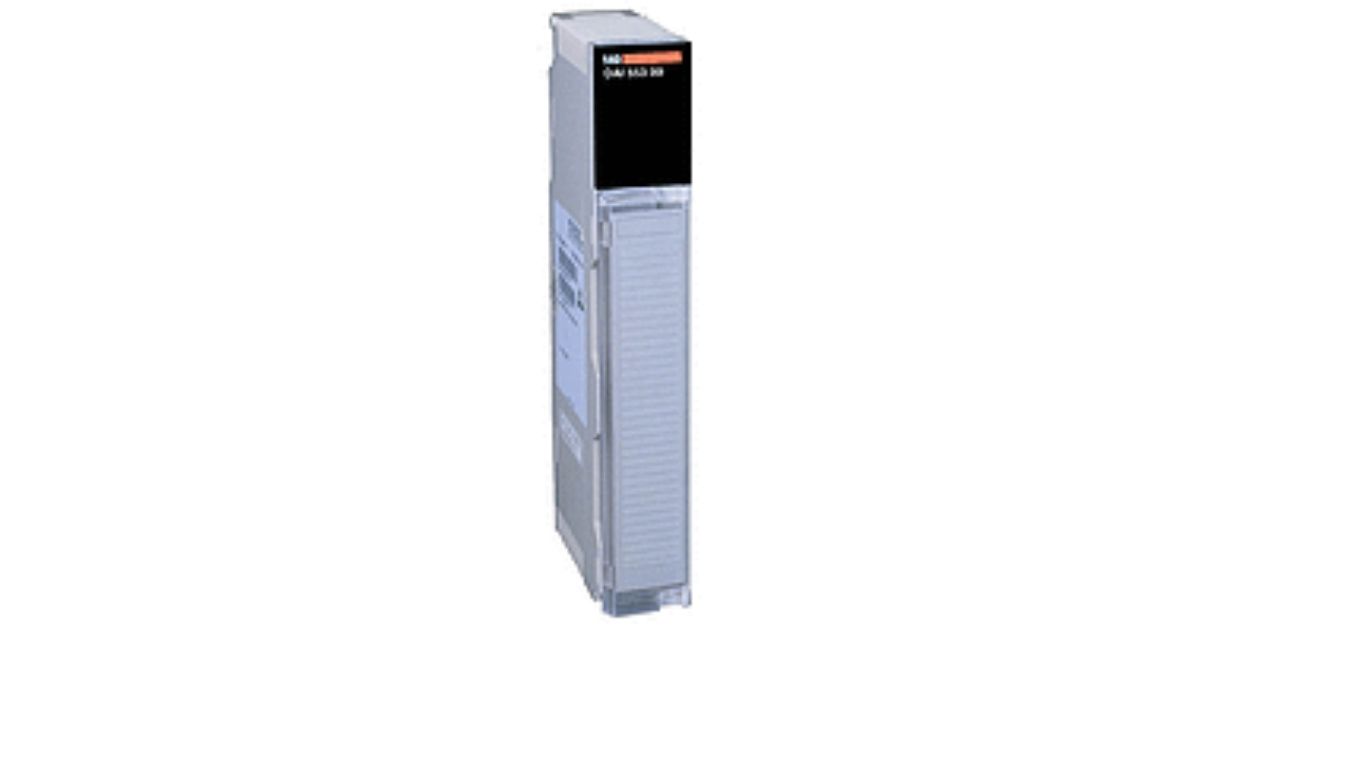
Discrete input modules collect digital signals from push buttons, proximity sensors, limit switches, and safety interlocks. A good module isolates field signals, filters electrical noise, and ensures consistent interpretation — especially important amid vibration, temperature swings, or electromagnetic interference.
4. Ensuring Signal Integrity in Harsh Environments
Industrial settings are full of disruptors — motors, drives, and high-voltage equipment. Dependable input handling includes protections that prevent false readings from electrical noise, while rugged design tolerates dust, moisture, and mechanical stress without degrading signal quality.
5. Scaling Without Losing Accuracy
As factories expand, input systems must scale without sacrificing accuracy. Modular I/O solutions integrate additional signals seamlessly, maintaining consistency across the architecture. Advanced modules also provide diagnostic feedback to identify wiring issues, faulty sensors, or abnormal signal behavior, supporting higher uptime.
6. Improving Process Control
Accurate input data enables tighter process control. When machines receive correct state information, they operate closer to optimal parameters, improving product consistency, reducing waste, and enhancing efficiency. Accurate inputs also support predictive maintenance and automated quality assurance.
Supporting Safety and Compliance
Safety systems rely heavily on discrete inputs to monitor emergency stops, guard doors, and safety sensors. Dependable input handling ensures these signals are detected instantly and without error, protecting personnel and maintaining compliance. Accuracy in safety-related inputs is especially critical, since failures can have serious consequences — reliable input technology provides confidence that safety mechanisms function as intended.
Future Trends in Input Handling Technology
As factories move toward smarter manufacturing, input handling continues to evolve. Increased diagnostics, better noise immunity, and tighter integration with analytics platforms are shaping the future of accurate data acquisition, further reducing signal-level uncertainty so factories operate with greater precision and adaptability.
Conclusion
Modern factories achieve accuracy by focusing on the earliest point in the data chain — the input signal. Dependable input handling ensures physical events are translated into digital information correctly and consistently. When systems rely on solutions like the 140DDI84100 discrete input module for Modicon Quantum, they reinforce the foundation of accurate automation, enabling efficient operations, safer workplaces, and consistently high quality. Browse our Quantum discrete input modules to build accuracy in from the signal up.
What is input handling in industrial automation?
Input handling is how a control system receives, filters, and interprets signals from field devices like switches and sensors. It converts real-world states — on/off, open/closed — into clean digital data the controller can act on without ambiguity.
What is a discrete input module?
A discrete input module collects binary signals from devices such as push buttons, proximity sensors, limit switches, and safety interlocks. It isolates and filters those signals, then transmits them accurately to the controller, even in noisy or harsh environments.
Why does input accuracy matter so much for safety?
Safety systems depend on discrete inputs to detect emergency stops, guard doors, and safety sensors. A missed or false signal could prevent a protective action or trigger the wrong one, so accurate, instant detection is essential for protecting personnel and meeting compliance standards.
How do I keep input signals reliable in a noisy plant?
Use input modules with signal isolation and noise filtering, route signal wiring away from motors and drives, ensure proper grounding and shielding, and choose modules rated for vibration, temperature, and moisture. Built-in diagnostics also help catch wiring or sensor faults early.