Communication Interfaces: 6 Keys to Scalable Control Environments
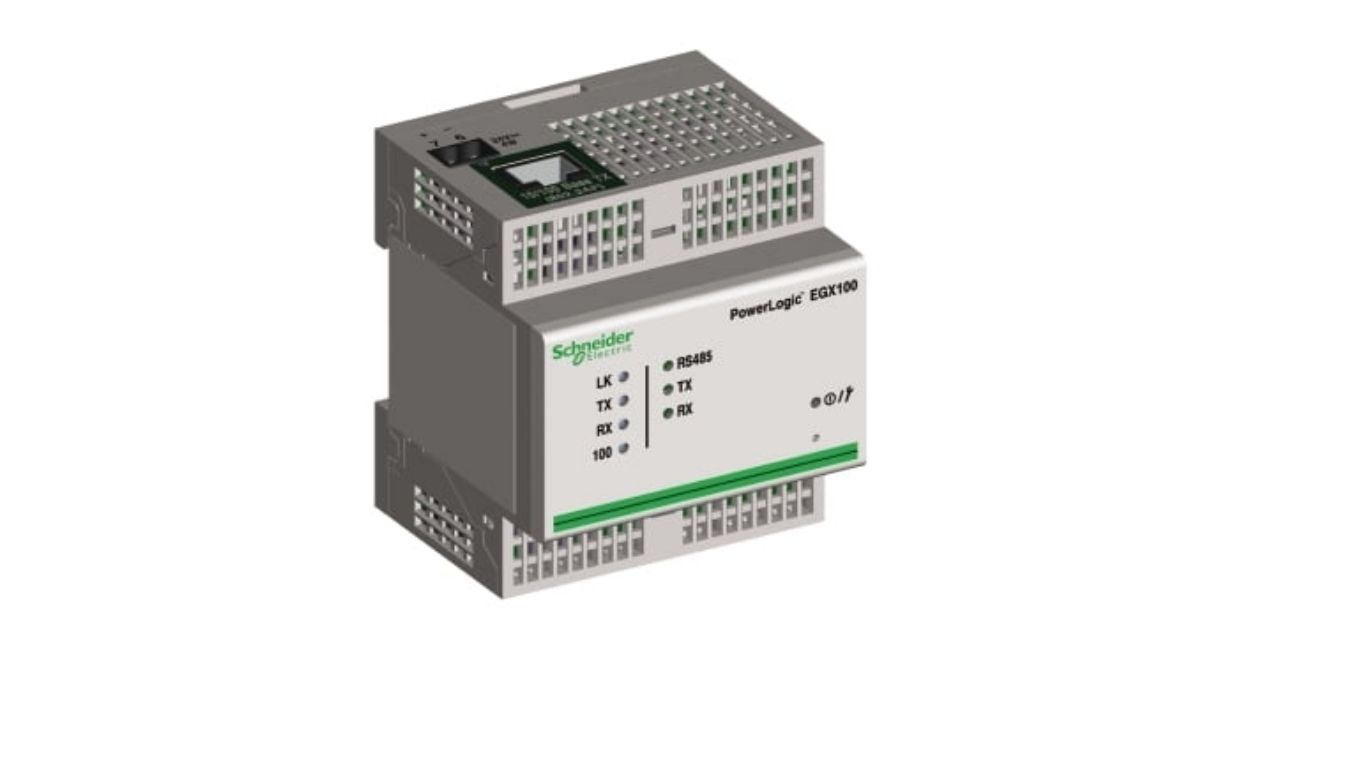
The rapid evolution of industrial automation demands intelligent frameworks that unify diverse control components. Technologies like the Square D EGX100SD Ethernet gateway (PowerLogic) and the TSXP574634M Unity processor for Modicon Premium show how modern infrastructure relies on sophisticated communication interfaces for seamless data exchange, transparency, and scalable performance. As facilities expand and digital transformation accelerates, advanced communication interfaces become the backbone of operational continuity and growth.
The Role of Communication Interfaces in Modern Control Systems
Industrial environments are no longer isolated mechanical ecosystems — they’re interconnected digital landscapes where devices, controllers, and monitoring platforms collaborate in real time. Communication interfaces act as translators and coordinators, ensuring data generated at one point can be interpreted and acted upon elsewhere without delay or distortion. They enable interoperability between legacy equipment and modern platforms, letting organizations upgrade gradually instead of replacing entire infrastructures — which cuts cost, minimizes downtime, and extends equipment life.
6 Keys to Effective Communication Interfaces
1. Bridging Protocol Gaps
Different components often use distinct protocols, and without a unifying interface they can’t exchange information. Advanced interfaces translate between protocols like Modbus, letting controllers, sensors, meters, and supervisory systems function as a cohesive network — essential for synchronized operations across lines, utilities, and monitoring stations.
2. Supporting Real-Time Decision Making
Speed is critical in automation. Interfaces built for high-speed transmission let systems analyze metrics instantly, so operators and software detect anomalies, optimize performance, and prevent failures before they escalate into costly disruptions.
3. Scalability and Modular Expansion
As organizations grow, communication interfaces must scale. Modular architectures let new controllers and devices integrate without redesigning the network — facilities start small and expand gradually while maintaining consistent performance. Intelligent traffic handling prioritizes critical data, balances loads, and prevents bottlenecks so complex networks stay responsive under heavy demand.
4. Reliability and Fault Tolerance
A communication failure can halt production or compromise safety, so advanced interfaces use redundancy, diagnostics, and error correction. Built-in diagnostics continuously monitor communication health and raise alerts the moment a link weakens, enabling proactive intervention. Failover mechanisms automatically switch to backup paths if a primary link fails, preserving data flow during hardware or network interruptions.
5. Security in Connected Environments
As networks connect, communication interfaces become gateways between operational technology and broader digital networks — key points for security. Access control restricts interaction to authenticated users and systems, preventing unauthorized modifications, while encryption protects data in transit from interception or tampering, especially when transmitting metrics to remote monitoring centers.
6. Integration With Monitoring and Analytics
Interfaces don’t just transmit data — they deliver structured information to analytics platforms, turning raw signals into insight. Consolidated data reveals early signs of wear, enabling predictive maintenance that reduces unexpected failures. Detailed metrics also let operators identify inefficiencies and tune parameters for better output quality and lower energy use.
Designing for Future-Ready Infrastructure
Technology evolves fast, so interfaces built on open standards and flexible architectures can absorb new protocols and emerging technologies without complete replacement. As edge computing and advanced analytics spread, communication interfaces must handle higher data volumes and faster processing — forward compatibility keeps systems relevant. Choosing scalable, adaptable solutions protects long-term investment, allowing incremental upgrades rather than frequent replacements.
Implementation Best Practices
- Structured network planning: Align topology, device placement, and bandwidth allocation with operational needs to minimize latency, prevent congestion, and support expansion.
- Regular performance audits: Monitor traffic patterns, error rates, and response times to verify optimal operation and reveal improvements.
- Training and documentation: Equip personnel to configure, maintain, and troubleshoot interfaces, so teams respond quickly to issues.
Conclusion
In increasingly automated environments, robust communication infrastructure determines how effectively systems perform, scale, and adapt. Solutions like the Square D EGX100SD Ethernet gateway and the TSXP574634M Unity processor for Modicon Premium highlight the importance of advanced communication interfaces in enabling seamless connectivity, intelligent monitoring, and resilient operations. By investing in scalable communication interfaces, organizations gain sustained efficiency, better visibility, and long-term readiness. Browse our gateways, processors, and communication modules to build a connected system.
What is a communication interface in industrial automation?
A communication interface is the hardware and protocol layer that lets controllers, sensors, meters, and supervisory systems exchange data. It translates between protocols, manages data flow, and bridges legacy and modern equipment so the whole system works as one network
How do communication interfaces support scalability?
Modular interfaces let you add devices or expand coverage without redesigning the network, and intelligent traffic handling prioritizes critical data to prevent bottlenecks. Facilities can start small and grow incrementally while keeping performance and reliability stable.
hy is fault tolerance important in communication interfaces?
A single communication failure can stop production or affect safety. Fault-tolerant interfaces use failover to switch to a backup path automatically when a link fails, and built-in diagnostics alert teams early, keeping data flowing and minimizing downtime.
How do communication interfaces improve security?
They sit between operational technology and wider networks, so they enforce access control through authentication and encrypt data in transit. This blocks unauthorized changes and protects sensitive operational metrics, particularly when data is sent to remote monitoring centers