Signal Processing: 6 Proven Ways to Boost Data Accuracy
In the era of Industry 4.0, the backbone of any automation system is the ability to accurately collect, transmit, and interpret data from real-world processes. Whether you’re monitoring temperature, pressure, flow, speed, or vibration, reliable signal processing turns sensor and transducer inputs into actionable information for control systems.
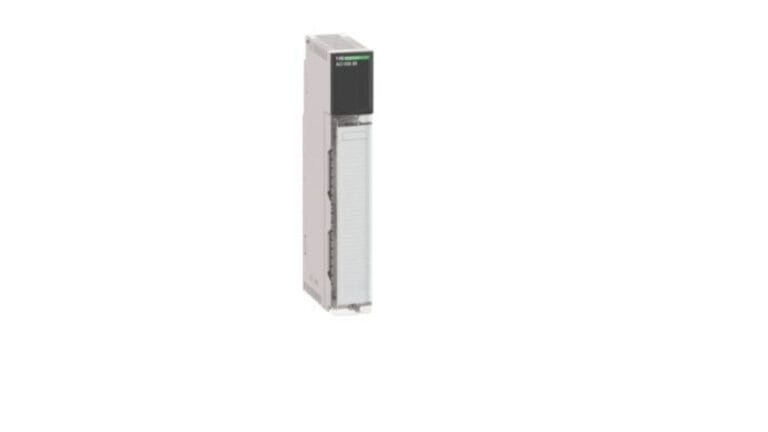
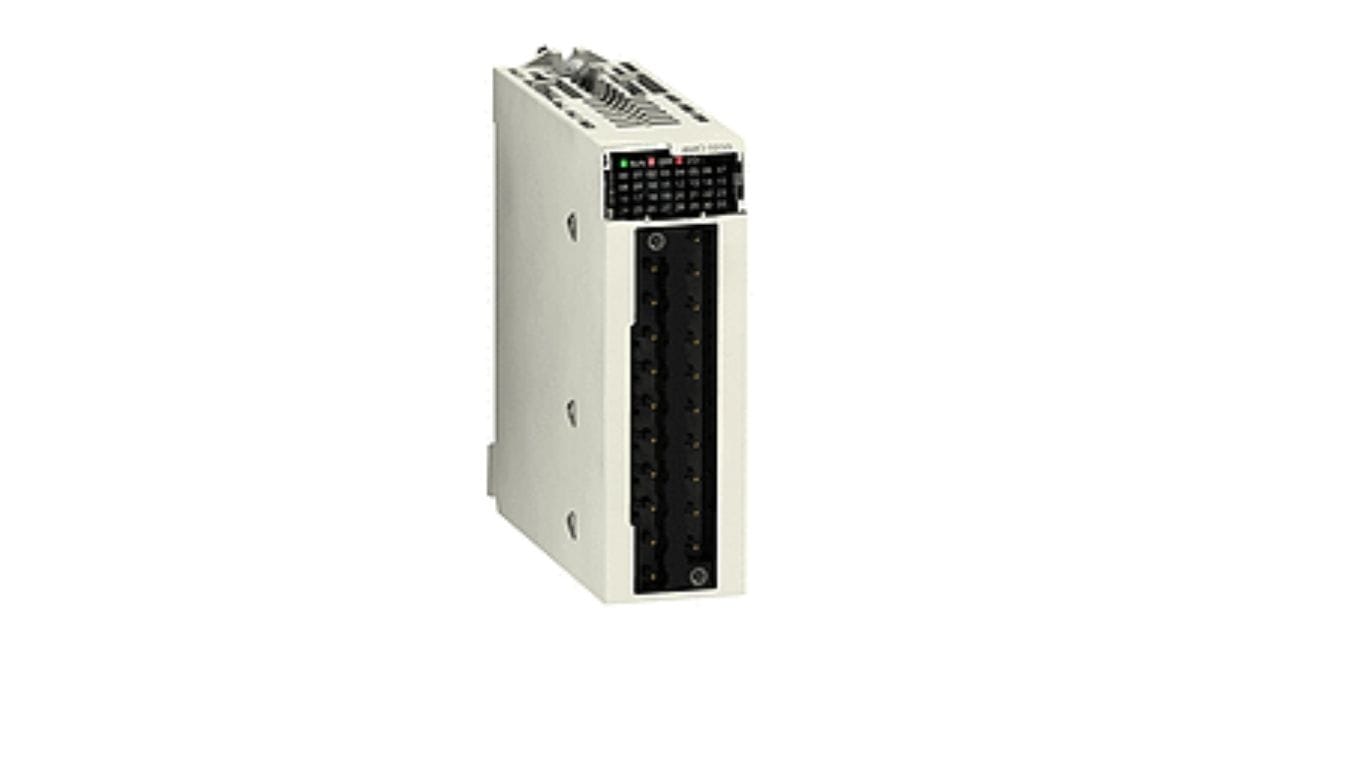
As automation evolves with higher expectations for precision, efficiency, and scalability, choosing the right signal processing modules and connection hardware dramatically influences performance, downtime, and repair costs. This article covers key considerations for accurate signal processing, implementation best practices, and a market comparison — including the BMXAMI0800 non-isolated analog input module X80 and the BMXXTSHSC20 connector for Modicon M340.
Why Signal Processing Accuracy and Stability Matter
Accurate signal processing ensures the data controllers receive truly reflects physical processes. When a signal is degraded by noise, interference, or poor resolution, the consequences are costly:
- Poor decision-making: Controllers act on precise readings; inaccurate data triggers wrong control actions.
- Product quality issues: Quality control depends on consistent measurement, so errors cause defects and waste.
- Unnecessary downtime: False alarms and unexplained faults force needless stoppages.
Stable signal processing minimizes variation when input conditions haven’t changed, reducing false triggers and building confidence in measurements.
Key Considerations for Accurate Signal Processing
When evaluating analog input modules, several factors determine real-world performance.
1. Resolution and Sampling Accuracy
Resolution defines how many distinct levels a module can distinguish. Higher resolution means finer detail and better differentiation — for temperature and similar sensors, that translates directly into better control quality.
2. Noise Rejection and Filtering
Industrial environments are electrically noisy; motors, solenoids, and power lines all add interference. Quality modules use internal or software-assisted filtering to reject electromagnetic interference and deliver cleaner signals.
3. Input Range and Compatibility
Modules must match the sensor signals in use, such as 0–10 V or the 4–20 mA current loop standard. Always confirm the module supports the full expected range without losing accuracy.
The Importance of Reliable Connections
Even the best module performs poorly with unstable connections, so connectors and wiring play a large role in signal integrity.
4. Avoid Signal Loss Through Poor Contacts
Loose or corroded connectors add resistance, intermittent contact, and noise. Where uptime is critical, connection reliability matters as much as the module itself.
5. Choose the Right Connector Type
Some applications need locking mechanisms or low-insertion-force connectors for easier maintenance. Whatever the style, the connector must hold solid contact under vibration and thermal cycling. Proper cable management and shielding further protect signals from EMI.
Best Practices for Implementing Signal Processing Hardware
6. Match, Ground, Verify, and Diagnose
- Match modules to your system: Ensure each analog input module supports your sensors and signals; mismatched specs are a leading cause of instability.
- Ground and shield properly: Use shielded cables bonded to ground at one end only to keep signal lines clean.
- Verify installation: Inspect connections, check terminal-block torque, and confirm connectors seat fully without strain.
- Use diagnostics: Modern Modicon modules report signal quality and connection status — monitor these to catch issues before they hit production.
Comparing Signal Processing Modules and Connectors
| Model | Signal Type | Isolation | Resolution | Connector | Environment |
|---|---|---|---|---|---|
| BMXAMI0800 Analog Input X80 | Voltage/current | No | Mid-range | Industrial connectors | General automation |
| Competitor A High-Res Input | Voltage/current | Yes | High | Locking type | Precision process control |
| Competitor B Multi-Channel | Multiple analog | Optional | Mid-range | Quick-release | Factory automation |
| BMXXTSHSC20 Connector (M340) | N/A | N/A | N/A | Standard M340 connector | Controllers & I/O racks |
| Competitor C Rugged Connector | N/A | N/A | N/A | Heavy-duty locking | Harsh environments |
| Competitor D High-Density Connector | N/A | N/A | N/A | Compact high-pin | Space-constrained systems |
Future Trends in Signal Processing Tools
Several trends are raising the bar for signal processing:
- Smart signal conditioning: Future modules will integrate intelligent preprocessing, easing the load on controllers.
- Predictive diagnostics: Built-in health monitoring lets systems predict failures before they occur.
- Standardized connectivity: Open connector and protocol standards simplify integration across mixed systems and cut engineering time.
Conclusion
Accurate, stable signal processing is fundamental to modern automation. Performance starts with the right hardware — robust analog input modules and reliable connectors — and continues with proper installation, grounding, filtering, and diagnostics. Components like the BMXAMI0800 analog input module X80 and the BMXXTSHSC20 connector for Modicon M340, chosen to fit system needs, deliver dependable signal capture and clean communication between field devices and control logic. Browse our analog modules and connectors to build a precise, future-ready system.
What is signal processing in industrial automation?
Signal processing is how raw inputs from sensors and transducers — temperature, pressure, flow, vibration — are captured, filtered, and converted into accurate digital data a controller can act on. Clean signal processing is what makes reliable automated control possible.
Why does signal accuracy matter so much?
Controllers make decisions based on the readings they receive. If signals are degraded by noise or poor resolution, the system takes wrong actions, produces defects, or triggers false alarms and downtime. Accurate signals keep control decisions correct.
What causes signal noise in industrial systems?
Motors, solenoids, variable-speed drives, and power lines generate electromagnetic interference. Loose or corroded connectors add resistance and intermittent contact. Filtering, proper grounding, shielded cabling, and quality connectors all reduce this noise.