Modern Automation Demands High Accuracy Output Signal Management Systems
Introduction
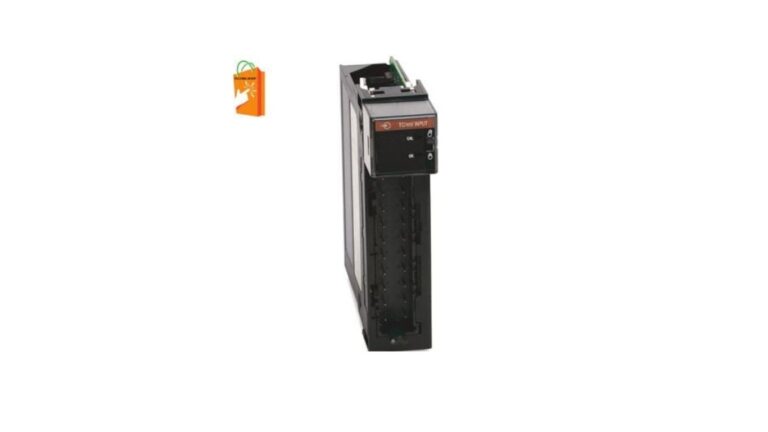
Modern industrial environments rely heavily on precision control and reliable communication between hardware components, especially in PLC based systems where accuracy determines operational efficiency. Output signal management systems play a crucial role in ensuring that automation processes run smoothly without delays or data loss. In modern infrastructures, advanced controllers such as the Schneider Electric 140CPU11303 module are widely used to handle complex processing tasks and maintain system stability.
Output Signal Management in Automation
Key Functions of Output Signal Systems
Output signal management systems ensure accurate conversion, transmission, and execution of control signals in industrial automation setups. They help reduce errors, improve synchronization, and support real-time decision-making in complex environments. The integration of programmable logic controllers like the Schneider Electric 140CPU11303 enhances performance and reliability.
Benefits of High Accuracy Systems
Improved Operational Efficiency
High accuracy output signal systems significantly improve industrial efficiency by reducing downtime and optimizing workflow. They also enhance safety by preventing miscommunication between control units and field devices. These systems are essential for industries like manufacturing, energy, and process automation.
Importance of 140CPU11303 Module in Automation
Role in PLC Systems
The Schneider Electric 140CPU11303 module is designed for high-performance control applications in industrial environments. It ensures fast processing speeds, reliable signal handling, and efficient system coordination. With advanced architecture, it supports complex automation tasks with high accuracy and stability.
Advanced Signal Processing Techniques
Digital Filtering and Noise Reduction
Modern automation systems rely on digital filtering techniques to eliminate noise from output signals. This improves the clarity and accuracy of transmitted data across industrial networks. As a result, controllers such as the 140CPU11303 can operate more efficiently in demanding environments.
Industrial Applications
Manufacturing Plants
In manufacturing plants, output signal management systems coordinate robotic machines and assembly lines. They ensure precise timing and synchronization between multiple production stages. This reduces waste and increases productivity significantly.
Energy Sector Applications
Energy systems require stable signal management to control generation and distribution processes. Accurate output signals help prevent system failures and power interruptions. Advanced modules like 140CPU11303 improve monitoring and control efficiency.
Challenges in Signal Management Systems
Common Issues
Despite advancements, signal management systems still face challenges in industrial environments. Electrical noise, latency, and hardware limitations can affect performance. Proper configuration and high-quality components help reduce these issues.
Future Trends in Automation Systems
AI Integration in Control Systems
Artificial intelligence is increasingly being integrated into industrial automation systems. This allows predictive maintenance and smarter signal management capabilities. Controllers like 140CPU11303 benefit from enhanced decision-making algorithms.
Best Practices for Implementation
System Design Considerations
Implementing high accuracy output signal management systems requires careful planning of system architecture, including hardware selection, software configuration, and communication protocols to ensure seamless integration across industrial environments. Engineers must also consider scalability, maintenance requirements, and compatibility with existing PLC systems such as those using the 140CPU11303 module to avoid operational disruptions. Regular testing and monitoring ensure that output signals remain accurate and consistent under varying load conditions.
Role of Communication Protocols in Signal Management
Industrial Communication Standards
Communication protocols are fundamental to ensuring reliable data exchange between controllers, sensors, and actuators in industrial automation systems. Protocols such as Modbus, Ethernet/IP, and proprietary systems allow consistent signal interpretation and reduce errors in high-speed environments. Integration with modules like 140CPU11303 ensures better synchronization and real-time performance in automation networks.
Maintenance and Troubleshooting Strategies
Preventive Maintenance Approaches
Preventive maintenance is essential for ensuring long-term stability and accuracy in output signal management systems. Regular inspections, firmware updates, and calibration of PLC modules like 140CPU11303 help maintain optimal performance. Troubleshooting involves identifying signal inconsistencies, checking hardware connections, and analyzing system logs.
Conclusion
Modern automation systems depend heavily on precise output signal management to achieve efficiency, reliability, and safety in industrial environments. The integration of advanced PLC modules, especially the 140CPU11303, plays a key role in maintaining high-performance control and stable communication across complex operations. As industries continue to evolve, demand for accurate, fast, and intelligent signal management systems will only increase, making optimization and proper system design more important than ever.