Best Practices for Maintaining Durable and Efficient Network Connections Longterm

CS1WBI103 XBTP022010 499NEH14100 tsxdey64d2k tsxdsy64t2k ATV58HD12N4 BMXXBE1000 140CPS11410

Reliable network performance is no longer optional in modern industrial and IT environments—it is essential. Whether used in automation systems, enterprise infrastructure, or remote monitoring setups, network stability directly affects productivity, safety, and operational costs. This article explores best practices for maintaining durable and efficient network connections longterm, with a focus on industrial-grade reliability and practical implementation strategies. The keyword 140cps12420 is also integrated as a reference point for industrial networking components and system consistency.

Understanding the Importance of Long-Term Network Stability

Why Network Durability Matters

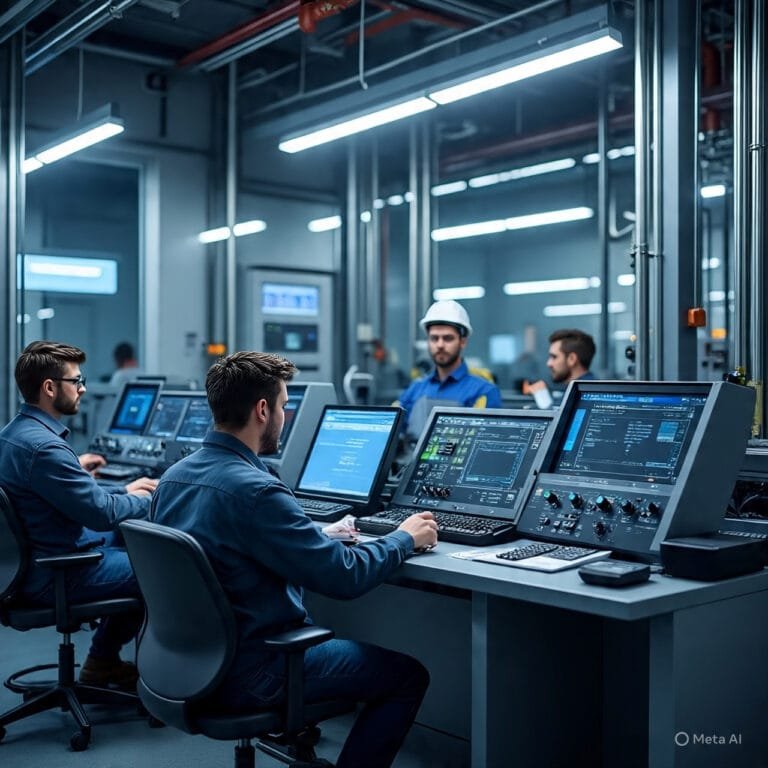
Network systems are expected to run continuously without interruption. In industrial environments, even a few seconds of downtime can result in data loss, production delays, or safety risks. Durable network connections ensure uninterrupted communication between controllers, sensors, HMIs, and cloud systems.

Long-term stability is not just about speed—it is about consistency, fault tolerance, and resistance to environmental and operational stress.

Role of Industrial Components Like 140cps12420

Industrial modules such as 140cps12420 are often used in automation and control systems where consistent communication is critical. These components are designed to maintain stable power and communication flow, reducing the risk of unexpected network failure. When properly integrated, they help create a resilient infrastructure capable of handling long-term operational demands.

Best Practices for Building Durable Network Connections

1. Use High-Quality Industrial Hardware

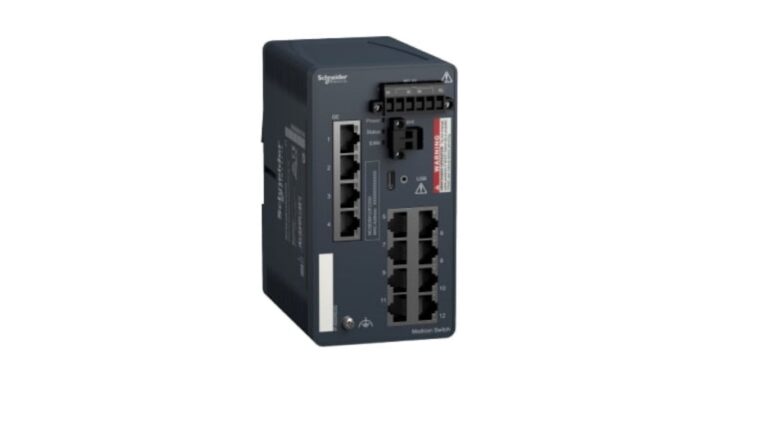
One of the most important steps in ensuring network durability is selecting reliable hardware. Industrial-grade switches, routers, and modules are designed to withstand harsh conditions such as heat, vibration, and electrical noise.

Devices like 140cps12420 are examples of components built for long-term industrial reliability. Using certified and tested hardware reduces failure rates and improves overall system lifespan.

2. Implement Redundant Network Architecture

Redundancy is key to preventing single points of failure. A well-designed network should include:

  • Redundant power supplies
  • Backup communication paths
  • Dual network rings or mesh topology

If one connection fails, the system automatically switches to a backup route, ensuring continuous operation.

3. Proper Cable Management and Shielding

Physical layer stability is often overlooked. Poor cabling can introduce packet loss, latency, and interference.

Best practices include:

  • Using shielded Ethernet cables (STP/FTP)
  • Avoiding tight bends and cable stress
  • Separating power and data lines
  • Labeling and organizing all connections

Proper cable management significantly improves signal integrity over time.

Optimizing Network Performance for Long-Term Efficiency

1. Regular Firmware and Software Updates

Outdated firmware can cause compatibility issues, security vulnerabilities, and performance degradation. Regular updates ensure that network devices remain optimized and secure.

However, updates should be tested in a controlled environment before full deployment to avoid unexpected disruptions.

2. Continuous Network Monitoring

Monitoring tools help identify issues before they become critical. Key metrics to track include:

  • Latency and response time
  • Packet loss
  • Bandwidth utilization
  • Device health status

By analyzing these indicators, engineers can proactively maintain stability and prevent downtime.

3. Load Balancing and Traffic Optimization

Efficient networks distribute traffic evenly across available paths. Load balancing prevents congestion and ensures smooth communication between devices.

Techniques include:

  • VLAN segmentation
  • Dynamic routing protocols
  • Prioritizing critical industrial traffic

This is especially important in automation systems where real-time data is essential.

Environmental and Physical Protection Strategies

1. Temperature and Humidity Control

Extreme environmental conditions can significantly shorten the lifespan of network hardware. Enclosures should maintain stable temperature and humidity levels, especially in industrial setups.

2. Protection Against Electrical Noise

Electromagnetic interference (EMI) can disrupt data transmission. To reduce this risk:

  • Use grounded enclosures
  • Install surge protectors
  • Maintain proper separation between high-voltage equipment and network lines

These precautions ensure cleaner signal transmission and fewer communication errors.

3. Dust and Vibration Protection

In manufacturing or outdoor environments, dust and vibration are major threats. Industrial-grade enclosures and vibration-resistant mounting systems help protect sensitive networking equipment, including modules like 140cps12420.

Maintenance Strategies for Long-Term Reliability

1. Scheduled Preventive Maintenance

Instead of waiting for failures, scheduled maintenance ensures consistent performance. This includes:

  • Inspecting cables and connectors
  • Cleaning hardware components
  • Checking system logs for anomalies

2. Backup and Recovery Planning

A strong backup strategy ensures quick recovery in case of failure. This includes:

  • Configuration backups
  • System snapshots
  • Disaster recovery plans

Having backups reduces downtime and protects critical data.

3. Documentation and System Mapping

Proper documentation of the network layout helps engineers troubleshoot issues quickly. It should include:

  • Device locations
  • IP addressing schemes
  • Connection diagrams
  • Hardware specifications

Clear documentation improves long-term manageability.

Conclusion

Maintaining durable and efficient network connections longterm requires a combination of strong hardware, intelligent design, environmental protection, and proactive maintenance. Industrial components such as 140cps12420 play an important role in ensuring system stability in demanding environments. By following best practices like redundancy, monitoring, and proper physical setup, organizations can significantly extend network lifespan and improve operational reliability.

A well-planned network is not just built for today—it is engineered for years of consistent performance.

FAQs

1. What is the most important factor in long-term network stability?

The most important factor is a combination of reliable industrial hardware, proper network design, and continuous monitoring.

2. Why is redundancy important in network systems?

Redundancy ensures that if one part of the network fails, another path or system can take over, preventing downtime.

3. How does environmental control affect network performance?

Temperature, humidity, dust, and vibration can damage hardware and disrupt signals. Proper environmental control extends equipment lifespan and improves stability.

Similar Posts