Peripheral Components: 6 Smart Picks to Boost Machine Efficiency
Modern industrial machines are only as effective as the components that support them. Processors, controllers, and software logic get the spotlight, but peripheral components quietly determine how efficiently systems communicate, respond, and stay reliable over time. Choosing the right supporting hardware — such as the 110XCA28202 connection cord set for PC terminal — reduces downtime, improves accuracy, and smooths workflows across production environments. This article explores how thoughtful selection of peripheral components elevates machine performance, enhances integration, and supports long-term goals.
Understanding the Role of Peripheral Components
Peripheral components are the connective tissue of industrial systems, letting machines exchange data, receive commands, and provide feedback to operators and other systems. Without reliable peripherals, even advanced control logic fails to deliver — these parts ensure signals transmit accurately and consistently, reducing miscommunication and lag. Over time, dependable peripherals maintain system stability, especially where machines run continuously. Efficiency isn’t only about speed but consistency and predictability, and high-quality peripherals support stable data flow that keeps machines at optimal capacity.
6 Ways the Right Peripheral Components Boost Efficiency
1. Improving Communication and Data Flow
Effective communication is the backbone of automation. Poorly selected components introduce signal degradation or interference, causing errors and delays. Properly designed peripherals maintain signal integrity even in electrically noisy or physically demanding environments.
2. Enhancing Real-Time Responsiveness
When machines send and receive data without delay, they respond faster to changing conditions — essential where timing and precision directly affect output quality and safety.
3. Increasing Reliability in Harsh Environments
Industrial settings expose equipment to heat, vibration, dust, and continuous operation. Industrial-grade components feature robust construction and wear-resistant materials, reducing replacement frequency and unexpected failures — which also lowers maintenance demands so teams focus on prevention instead of emergency repairs.
4. Simplifying Integration and Expansion
As production needs evolve, systems require expansion or reconfiguration. Well-chosen peripherals support modular design, making it easy to add machines or functions without redesigning everything. Standardized, well-documented components ensure compatibility across devices, reducing integration challenges and speeding up upgrades.
5. Matching Components to Application Needs
Not every peripheral suits every task. Selecting components based on data requirements, environmental conditions, and operational demands delivers optimal performance without unnecessary cost. While lower-cost options tempt, long-term value usually lies in components that provide consistent performance and durability, lowering total cost of ownership over the system’s life.
6. Ensuring Critical Connections in Control Systems
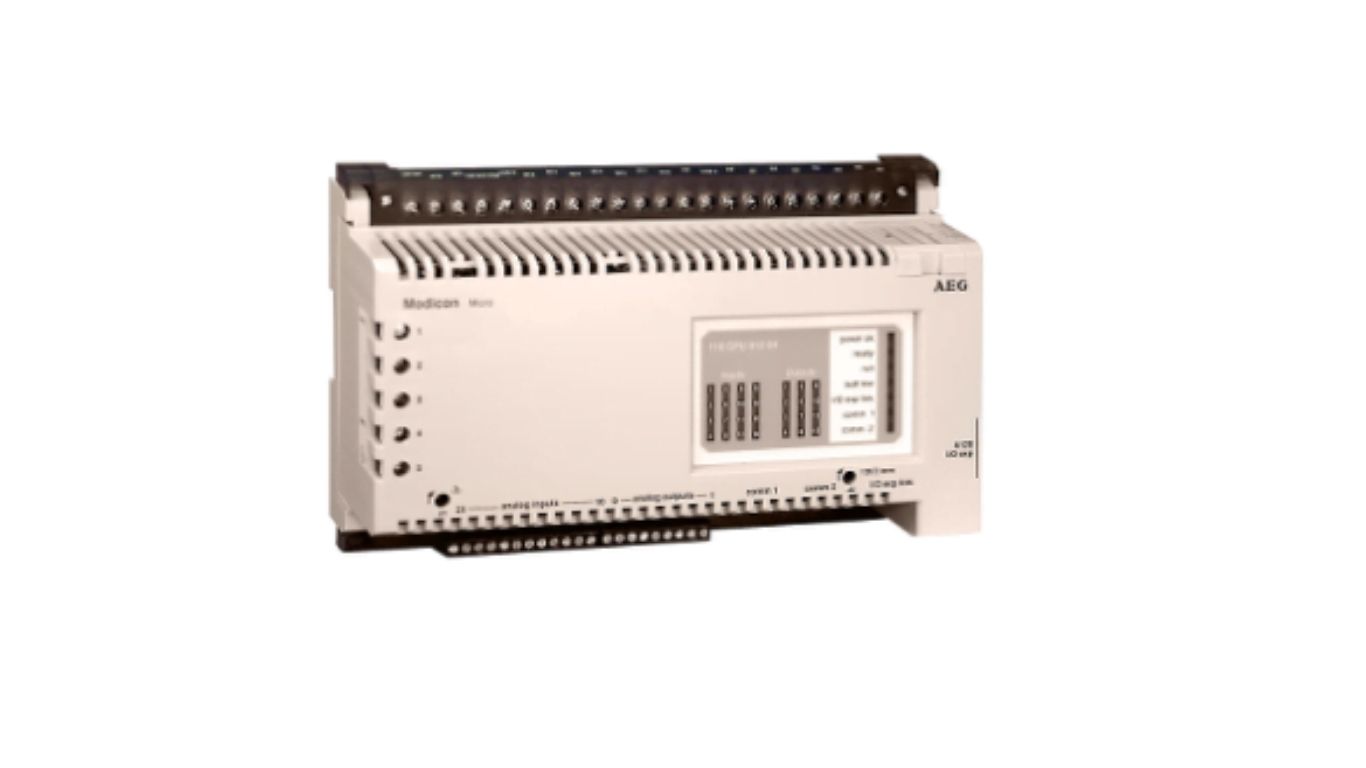
Communication between computing interfaces and controllers is especially important. A 110XCA28202 connection cord set used alongside a Modicon Micro 110CPU41100 PLC supports structured data exchange between configuration interfaces and control hardware — and the quality of those peripherals directly influences programming accuracy, monitoring reliability, and system responsiveness.
Supporting Safety and Operational Accuracy
Peripheral components also make operations safer. Clear, accurate communication prevents incorrect commands and ensures machines behave as intended. When interfaces and connections function reliably, operators trust the data they see and the commands they issue, reducing mistakes during setup, operation, and maintenance. Stable data flow and dependable connections also help machines maintain consistent output — critical for meeting quality standards and regulatory requirements.
Preparing Systems for Future Demands
Industrial automation keeps evolving toward greater connectivity, analytics, and scalability. Peripheral components should support not just current needs but future growth. As systems interconnect, peripherals must handle larger data volumes and faster speeds, so forward-compatible components future-proof installations. With reliable peripherals in place, organizations can focus on refining processes and adopting new technologies without being limited by basic hardware constraints.
Conclusion
Efficiency in industrial machines results from many interconnected choices, and peripheral components play a bigger role than they’re often credited for. From improving communication and reliability to simplifying expansion and enhancing safety, the right supporting hardware significantly impacts performance. When systems rely on precise connections — like those involving a 110XCA28202 connection cord set and a Modicon Micro 110CPU41100 PLC — careful component selection becomes essential for sustaining efficiency today and adapting to tomorrow’s demands. Browse our cables, connectors, and accessories to keep your machines running at their best.
What are peripheral components in industrial machines?
Peripheral components are the supporting hardware — cables, connectors, cord sets, and interface accessories — that connect controllers, computers, and field devices. They carry signals and commands between system elements, acting as the connective tissue that keeps machines communicating reliably.
Why do peripheral components affect machine efficiency?
Even advanced control logic fails if signals are degraded or delayed. Quality peripherals maintain signal integrity and stable data flow, so machines respond faster and run consistently. Poor ones introduce interference, errors, and downtime that quietly erode efficiency.
How do I choose the right peripheral components?
Match each component to its application — consider data requirements, environmental conditions (heat, vibration, dust), and compatibility with existing devices. Favor industrial-grade, standardized parts that offer durability and consistent performance over the lowest-cost option, since they lower total cost of ownership.
Do peripheral components affect safety?
Yes. Reliable connections ensure operators can trust the data they see and the commands they issue, reducing human error during setup and operation. Stable, accurate communication also keeps machines behaving as intended, which supports consistent quality and regulatory compliance