Temperature Input Modules: 6 Keys for Hazardous Areas
Accurate temperature measurement is critical in industrial environments, especially in hazardous areas where flammable gases, vapors, or dust may be present. Selecting the right temperature input modules isn’t just about performance — it directly affects safety, compliance, and reliability. This article explores the essential factors when choosing temperature input modules for hazardous locations, focusing on intrinsic safety, accuracy, and system integration.
Understanding Hazardous Area Requirements
Hazardous areas are environments where explosive atmospheres may occur under normal or abnormal conditions, so measurement equipment must be designed to prevent ignition sources. These areas are classified into zones or divisions based on the frequency and duration of explosive atmospheres, and understanding the classification determines the level of protection a module needs. Equipment must also comply with relevant safety standards — certifications like ATEX confirm a module has been tested to operate safely under defined hazardous conditions, reducing the risk of sparks, overheating, or electrical faults.
6 Keys to Selecting Temperature Input Modules
1. Intrinsic Safety
Intrinsic safety is one of the most widely used protection techniques in hazardous areas, limiting the electrical energy in a circuit so ignition cannot occur. Intrinsically safe modules restrict voltage and current so that even under fault conditions, the energy released is insufficient to ignite the atmosphere. Solutions like the 140AII33000 intrinsically safe temperature input module apply these principles. A key advantage: maintenance and calibration can be performed without shutting down the system or isolating the area, improving uptime while preserving safety.
2. Sensor Compatibility and Signal Types
Modules must support the sensors used in the process. Common types include thermocouples and resistance temperature detectors (RTDs), each with specific signal characteristics, wiring requirements, and accuracy levels that must match the module’s capabilities.
3. Input Resolution and Accuracy
High-resolution inputs are essential for precise monitoring. Accuracy is especially critical in hazardous processes, where temperature deviations can create unsafe conditions or quality issues.
4. Environmental and Mechanical Robustness
Hazardous environments expose equipment to vibration, humidity, and temperature extremes. Choose modules rated for the expected ambient range, with protection against dust, moisture, and corrosives. Compact design and robust mounting simplify installation in confined areas, while proper grounding and shielding reduce noise and improve measurement stability.
5. System Integration and Scalability
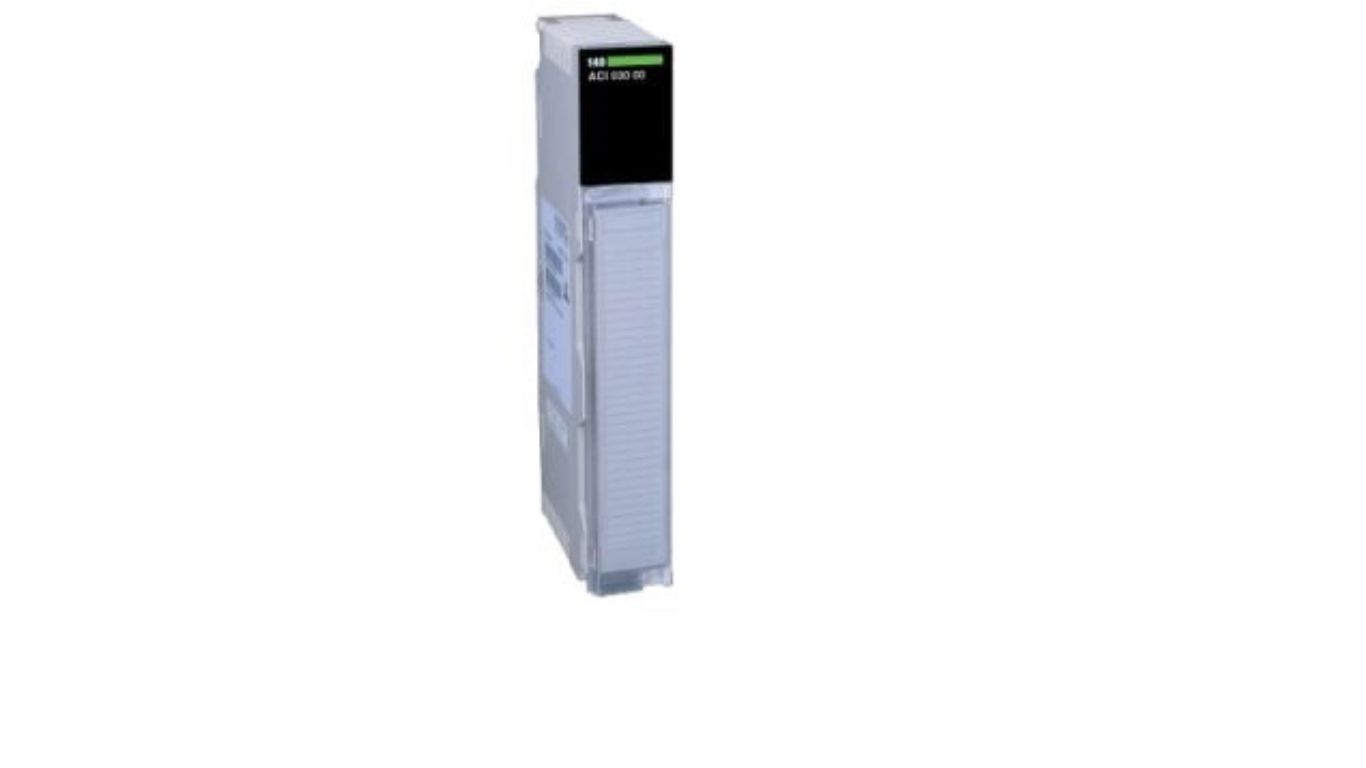
Temperature input modules rarely operate in isolation — they must integrate with the broader control system for efficient, accurate data acquisition. In many applications, temperature data drives control actions like alarms or actuator responses, so integration with output solutions such as the 140ACO13000 analog output module for Modicon Quantum lets inputs and outputs work together to maintain safe operating conditions.
6. Reliability and Diagnostics
Early fault detection is vital in hazardous areas. Advanced temperature input modules offer diagnostics that detect open circuits, sensor failures, or signal anomalies, helping teams catch issues before they escalate. Redundant inputs or fail-safe configurations ensure continued operation or safe shutdown if a component fails.
Maintenance and Lifecycle Considerations
Selecting modules with long-term operation in mind reduces total cost of ownership. Modules that support straightforward calibration and minimal maintenance reduce downtime, and intrinsically safe designs often allow servicing without disrupting hazardous-area operations. Because industrial systems run for years, choosing widely supported Quantum I/O modules ensures spare-part availability and technical support across the lifecycle.
Balancing Safety, Performance, and Cost
Safety is the top priority in hazardous areas, but performance and cost matter too. Initial purchase price is only one factor — installation, certification, maintenance, and downtime all contribute to total cost of ownership. The ideal temperature input module balances intrinsic safety, accuracy, environmental robustness, and system compatibility, meeting both safety regulations and operational demands.
Conclusion
Selecting temperature input modules for hazardous areas requires a clear understanding of safety principles, environmental conditions, and system requirements. Intrinsic safety, sensor compatibility, diagnostics, and integration all play critical roles in reliable, safe temperature measurement. By focusing on these key considerations, operators enhance process safety, maintain compliance, and achieve consistent performance in the most challenging environments. Browse our Quantum analog and temperature input modules to find a safe, certified solution.