Electrical Protection: 6 Proven Precision Engineering Wins
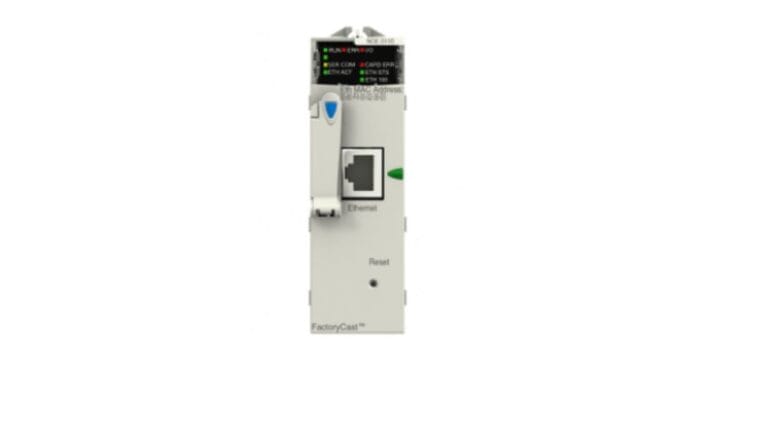
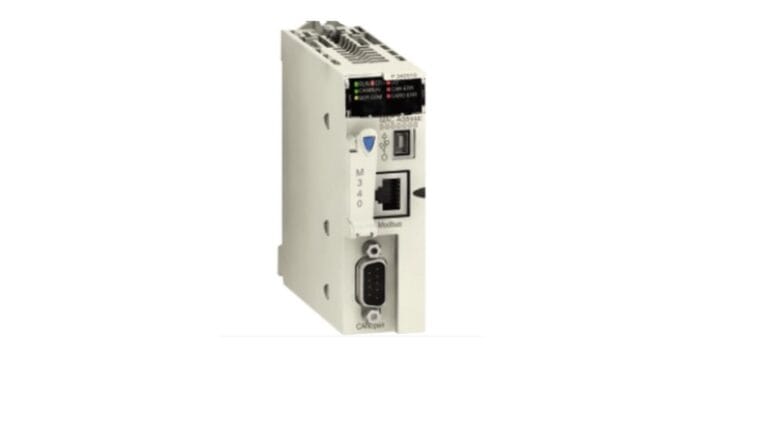
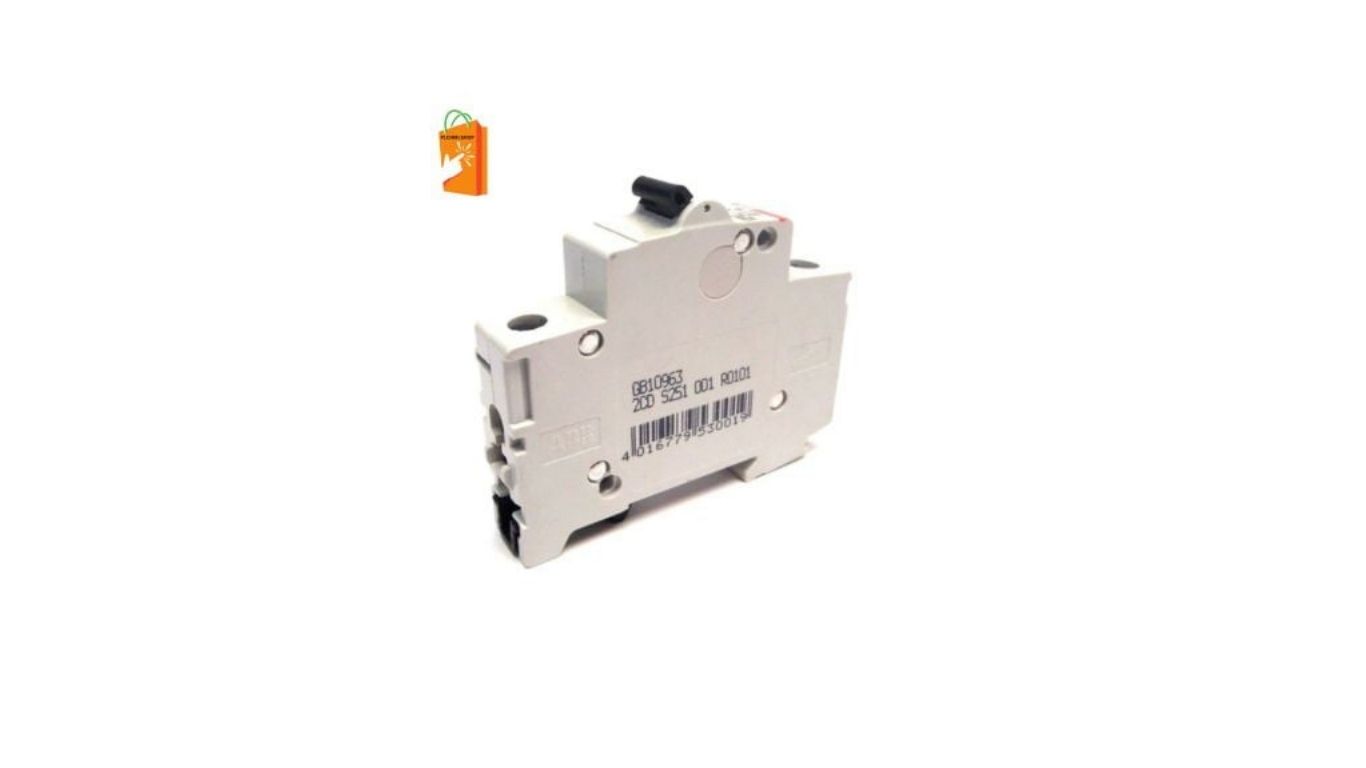
Precision engineering plays a critical role in the design, performance, and reliability of electrical protection equipment used across industrial, commercial, and infrastructure environments. Where safety, continuity, and accuracy are non-negotiable, finely engineered components keep electrical networks operating within safe limits. Devices such as the ABB breaker pole S251-L10 and the 140DAI34000 Modicon Quantum represent the accuracy and reliability modern systems demand.
Understanding Precision Engineering in Electrical Systems
Precision engineering is a design and manufacturing approach focused on tight tolerances, exact measurements, and consistent quality. In electrical protection equipment, this ensures components respond accurately to faults such as overloads, short circuits, and voltage irregularities. Even minor deviations in dimensions or material properties can cause malfunction, making precision a foundational requirement rather than a luxury.
1. Consistent Fault Detection
A primary goal of electrical protection is reliable fault detection. Precision-engineered components let devices distinguish normal fluctuations from dangerous conditions, preventing unnecessary shutdowns while addressing genuine faults immediately. High-accuracy sensors, calibrated contacts, and finely tuned mechanical elements all support dependable recognition.
2. Minimized Risk of Failure
Electrical failures can cause fires, equipment damage, or downtime. Precision engineering minimizes these risks by ensuring each circuit breaker and component performs exactly as designed. Uniform material quality and exact assembly reduce wear, misalignment, and mechanical stress over time.
3. Reliability in Demanding Conditions
Industrial environments expose electrical protection equipment to heat, vibration, dust, and continuous operation. Precise manufacturing and careful material selection keep components structurally and electrically accurate under harsh conditions, and stable calibration maintains specifications over years of use for predictable behavior.
4. Integration With Control Systems
Modern electrical protection is increasingly integrated with automated control and monitoring. Precision engineering ensures seamless compatibility with digital inputs, communication protocols, and programmable controllers, so devices exchange data accurately and enable real-time monitoring and predictive maintenance.
5. Improved Energy Efficiency
Accurately engineered components reduce internal resistance and heat generation, improving energy efficiency by minimizing power loss during normal operation. This lets systems operate closer to optimal performance limits without compromising safety, contributing to lower operating costs over time.
6. Scalability, Standards, and Compliance
Precision-engineered Schneider Electric equipment delivers uniform performance across multiple installations, simplifying system design and expansion. Consistent manufacturing also lets equipment meet strict international safety and performance standards reliably, ensuring global compatibility, regulatory approval, and interoperability with other system elements.
The Manufacturing Behind Electrical Protection
Achieving high precision requires advanced techniques such as CNC machining, laser cutting, and automated assembly to produce components with consistent dimensions and minimal variation. Precision engineering extends into testing and validation, where electrical protection equipment undergoes extensive testing to confirm response accuracy, endurance, and environmental resistance, with calibration keeping operational thresholds within exact specifications.
Coordination and Selectivity
Individual devices only deliver full value when they are coordinated as a system. Protective selectivity ensures that the device closest to a fault trips first, isolating the problem while the rest of the installation keeps running. This requires matching trip curves, ratings, and timing across the chain, from main breakers down to final circuits. Accurate, precision-engineered components make this coordination predictable, because their thresholds and response times stay within specification. Regular testing and clear documentation of the protection scheme let engineers verify selectivity over time, reducing both unnecessary outages and the risk that a single fault escalates into a wider failure.
Conclusion
Precision engineering is the backbone of reliable, safe, and efficient electrical protection equipment. By ensuring accuracy, consistency, and durability, it lets modern systems operate confidently across a wide range of conditions, from fault detection to system integration. Components such as the ABB breaker pole S251-L10 and the 140DAI34000 Modicon Quantum highlight the importance of exact engineering standards in meeting today’s safety and automation needs. Browse our protection and control components for a secure system.
What is precision engineering in electrical protection?
It’s a manufacturing approach using tight tolerances and exact measurements so protection devices respond accurately to faults like overloads and short circuits. Precision keeps trip thresholds, response times, and load capacities stable throughout the device’s life.
Why does accuracy matter in electrical protection equipment?
Protection devices must act instantly and correctly during faults. Precise components let them distinguish normal fluctuations from dangerous conditions, preventing nuisance trips while reliably clearing genuine faults — protecting people and equipment.
How does precision engineering improve reliability?
Uniform material quality and exact assembly reduce wear, misalignment, and mechanical stress, while stable calibration maintains specifications over years. This gives predictable, dependable performance even in harsh industrial conditions.
Does precision-engineered protection equipment save energy?
Yes. Accurately engineered components reduce internal resistance and heat generation, minimizing power loss during normal operation. This lowers operating costs and lets systems run closer to optimal limits without sacrificing safety.