Industrial Controllers: 6 Proven Keys for Reliability
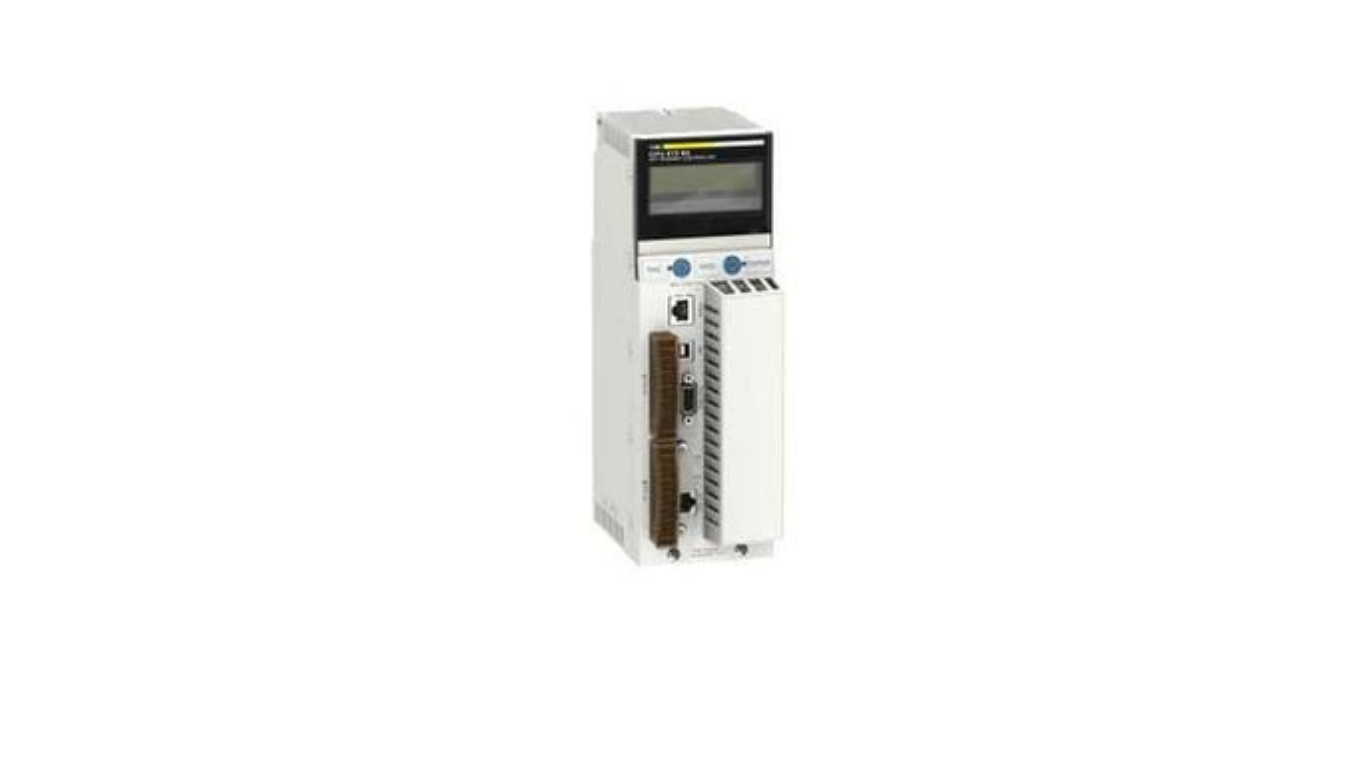
Industrial controllers play a vital role in modern automation where reliability, speed, and accuracy are essential. In mission-critical environments such as manufacturing plants, energy systems, and process facilities, downtime is not an option. Solutions like the 140CPU43412A and 140CPU67260 Modicon Quantum processors represent the advanced processing required for complex operations, designed to handle demanding tasks while ensuring stability and continuous performance.
Understanding Mission-Critical Automation
Mission-critical automation refers to systems where failure leads to serious operational, financial, or safety consequences. These systems must run 24/7 under harsh conditions while managing complex processes, so industrial controllers are built with fault-tolerant designs and stable processing architectures. Strong processing power lets them manage many inputs and outputs, execute control logic quickly, and communicate efficiently with other components.
1. High-Speed Data Processing
Fast data processing lets industrial controllers respond instantly to changing conditions — crucial where timing and precision directly affect output quality and safety. Quick execution keeps complex, multi-stage processes synchronized.
2. Large Memory Capacity
Controllers in complex systems need sufficient memory to store control programs, system data, and communication parameters. Adequate memory ensures smooth operation even as system demands grow.
3. Robust Communication
Modern industrial controllers must support communication across multiple networks and devices. Reliable data exchange ensures coordination between different parts of the automation system, keeping the whole operation in step.
4. Scalability and Integration
As operations grow, automation must scale. A modular architecture lets new components be added easily, which matters in facilities that continuously upgrade production lines. Scalable controllers also integrate into existing setups — including Modicon and M580 platforms — reducing the need for full replacements and minimizing downtime.
5. Redundancy and Fault Tolerance
Mission-critical systems must handle unexpected failures without shutting down. Industrial controllers often support redundant configurations, so if one unit fails another takes over instantly. Advanced diagnostics help identify potential issues before they become critical, letting maintenance teams act proactively and achieve high availability.
6. Durability and Easy Maintenance
Industrial controllers are built to withstand temperature extremes, vibration, and electrical noise, making them suitable for demanding environments. Clear diagnostic tools simplify troubleshooting, and real-time monitoring helps operators detect performance issues early, keeping long-term performance stable.
Applications of Industrial Controllers
In manufacturing, controllers manage robotic systems, conveyors, and quality control for consistent output. Power generation and distribution depend on real-time monitoring and control to prevent failures. Process industries such as chemical processing and water treatment rely on precise control of temperature, pressure, and flow for safe, efficient operation.
Lifecycle and Obsolescence Planning
A controller chosen for a mission-critical line will often stay in service for a decade or more, so lifecycle planning matters as much as raw performance. Check how long the vendor will supply spares and firmware updates, keep critical modules in stock, and document the application program and network configuration so it can be restored quickly after a failure. Where a platform is approaching end of life, plan a phased migration during scheduled maintenance windows rather than waiting for a breakdown to force the issue. Treating obsolescence as a managed process keeps a proven system dependable, controls cost, and protects the option to modernise on your own timetable instead of reacting under pressure.
Conclusion
In mission-critical environments, choosing the right control solution is essential for long-term success. Industrial controllers provide the processing power, reliability, and scalability needed to manage complex operations. References such as the 140CPU43412A and 140CPU67260 Modicon Quantum reflect the performance demanding systems require. Investing in robust controllers ensures stable operations, improved efficiency, and long-term reliability. Browse our Quantum and M580 controllers to build for uptime.
What are industrial controllers?
Industrial controllers are the processing units that execute control logic and coordinate machines in an automation system. Built for reliability and speed, they manage inputs, outputs, and communication in demanding 24/7 environments.
Why is redundancy important in mission-critical controllers?
In mission-critical systems a failure can be costly or dangerous. Redundant controller configurations let a backup take over instantly if a primary unit fails, keeping the process running without interruption.
How do I choose an industrial controller for my system?
Match processing speed and memory to your process complexity, confirm it supports your communication networks, and check for redundancy, diagnostics, and a modular design that lets the system scale and integrate with existing equipment.
What makes industrial controllers reliable in harsh conditions?
They are engineered to withstand temperature extremes, vibration, and electrical noise, use fault-tolerant designs, and include diagnostics for early fault detection. This keeps them running continuously where standard controllers would fail.