Industrial Measurement Devices: 6 Proven Selection Keys
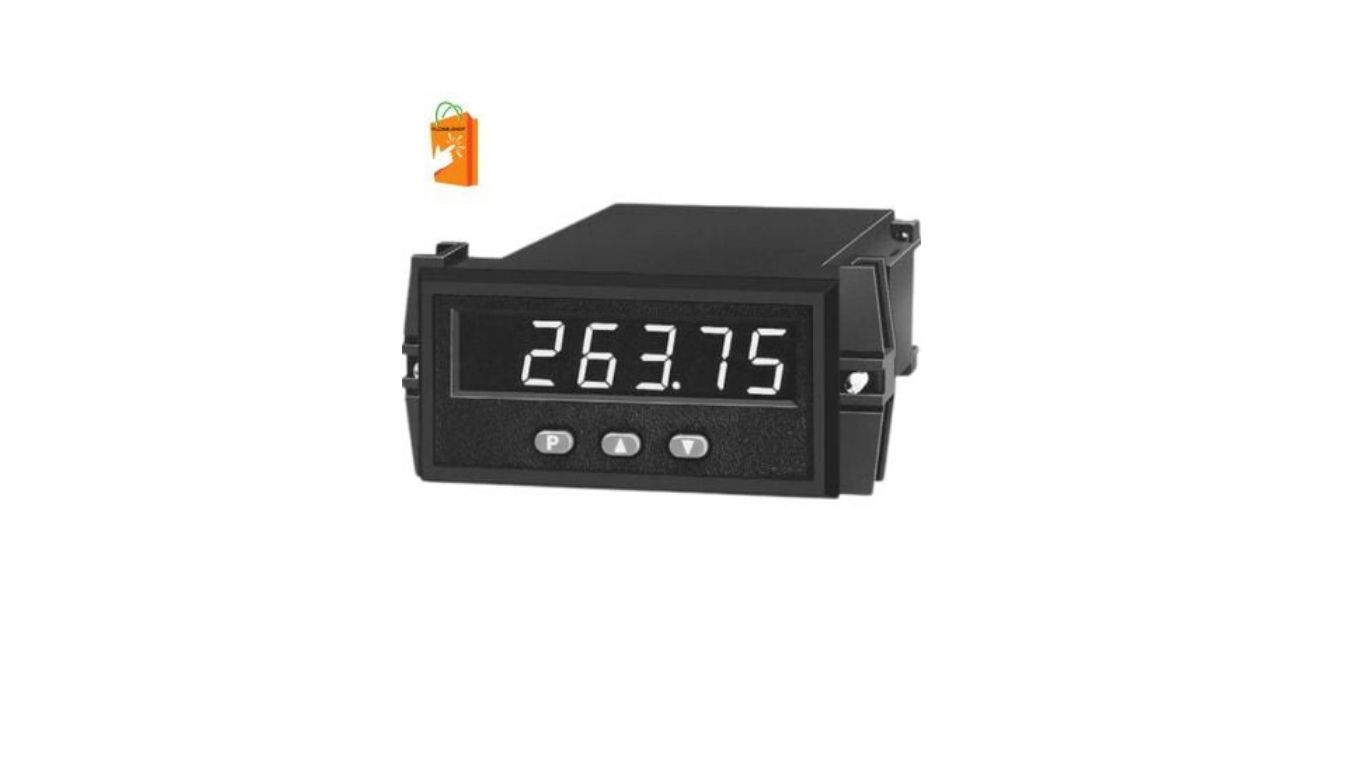
Industrial environments rely heavily on accurate measurement to maintain safety, efficiency, and product quality. Selecting the correct industrial measurement devices is not simply a technical decision — it directly affects operational reliability and long-term costs. A well-chosen instrument provides consistent data, minimizes downtime, and supports informed decisions across processes, which is why engineers often benchmark against reference models like the Red Lion Apollo meter IMI04113.
Understanding the Importance of the Right Measurement Device
A well-chosen measuring instrument defines expectations for accuracy, display clarity, and compatibility with existing systems. Equally important is how industrial measurement devices interact with protective and control components — electrical safety, load management, and fault protection are closely tied to proper measurement and control coordination, often considered alongside devices like the ABB breaker 1S261-B63 for a balanced, secure design.
1. Accuracy and Resolution
Accuracy is the foundation of any measurement device. Define acceptable tolerance levels first — high-precision processes like chemical dosing or energy monitoring need finer resolution and minimal drift, while lower-precision applications may prioritize durability. Resolution should align with process variability for meaningful data without unnecessary cost.
2. Environmental and Operating Conditions
Industrial settings are harsh. Temperature extremes, humidity, dust, vibration, and electromagnetic interference all affect performance, so industrial measurement devices should be rated for their environment, including enclosure type and ingress protection. Always match specifications to real-world conditions rather than ideal assumptions.
3. Matching Device Type to the Application
For electrical applications, devices may monitor voltage, current, frequency, or power, and must support the correct input ranges with proper isolation and safety ratings. In process industries, instruments track pressure, temperature, flow, and level — each requiring a different sensing technology based on media, response time, and maintenance needs.
4. Integration and Communication
Modern environments depend on interconnected systems, so industrial measurement devices should support common communication protocols to integrate with controllers, data loggers, and supervisory systems. This connectivity enables centralized monitoring, alarms, and analysis. Built-in logging and clear displays simplify diagnostics and reduce operator error.
5. Installation, Calibration, and Maintenance
A device that is hard to install increases commissioning time and cost, so consider mounting, wiring access, and configuration. All measurement devices require calibration; selecting instruments with stable sensors and straightforward, field-friendly calibration reduces maintenance effort and avoids disrupting operations.
6. Safety, Compliance, and Future-Proofing
Industrial measurement devices must comply with relevant safety and performance standards to ensure legal operation and reduce audit risk, and reliable data supports proactive maintenance and early fault detection. Evaluate total cost of ownership rather than purchase price alone, and choose devices that support additional inputs, expanded ranges, or upgraded communication so the installation can scale with the Schneider Electric systems around it.
Balancing Cost for Industrial Measurement Devices
While initial cost matters, it should not outweigh performance and reliability — a cheaper device can cost more over time through maintenance, downtime, or replacement. Planning for expansion with scalable instruments reduces the need for complete replacements as requirements change, protecting long-term value.
Building a Calibration Program
Accuracy is not a one-time purchase; it is maintained through a calibration program. Establish calibration intervals based on each instrument’s stability and how critical its reading is, and keep records that trace measurements back to recognised standards. Where possible, choose instruments that support in-situ calibration so checks do not interrupt production. Track drift over successive calibrations to spot a failing sensor before it affects quality, and label each device with its last and next due dates. A disciplined program turns scattered instruments into a trustworthy measurement system and provides the documented evidence that audits and quality standards increasingly require.
Conclusion
Selecting the right industrial measurement devices requires a balanced evaluation of accuracy, environment, integration, safety, and long-term value, especially when they must operate reliably alongside protective components like the ABB breaker 1S261-B63. By clearly defining requirements and weighing how each factor affects performance, organizations choose instruments that enhance efficiency and reliability across the system. Browse our power meters and measurement devices to equip your process.
What are industrial measurement devices?
Industrial measurement devices are instruments that monitor process or electrical variables — such as voltage, current, pressure, temperature, flow, or level — and feed that data to control systems. Accurate measurement underpins safety, efficiency, and quality.
What factors matter most when selecting a measurement device?
Define the required accuracy and resolution, match the device to your environment (temperature, dust, vibration, ingress protection), confirm it supports the right input ranges and communication protocols, and weigh total cost of ownership.
Why is environmental rating important for measurement instruments?
Harsh conditions like heat, humidity, dust, vibration, and electromagnetic interference can cause inaccurate readings or premature failure. Choosing a device rated for your actual operating environment ensures reliable, long-term measurement.
Should I choose a measurement device on price alone?
No. A lower-cost device often costs more over time through maintenance, downtime, or replacement. Evaluate total cost of ownership and pick scalable instruments that can expand with your system to protect long-term value.