Modern Controllers: 6 Ways to Boost Manufacturing Speed and Precision
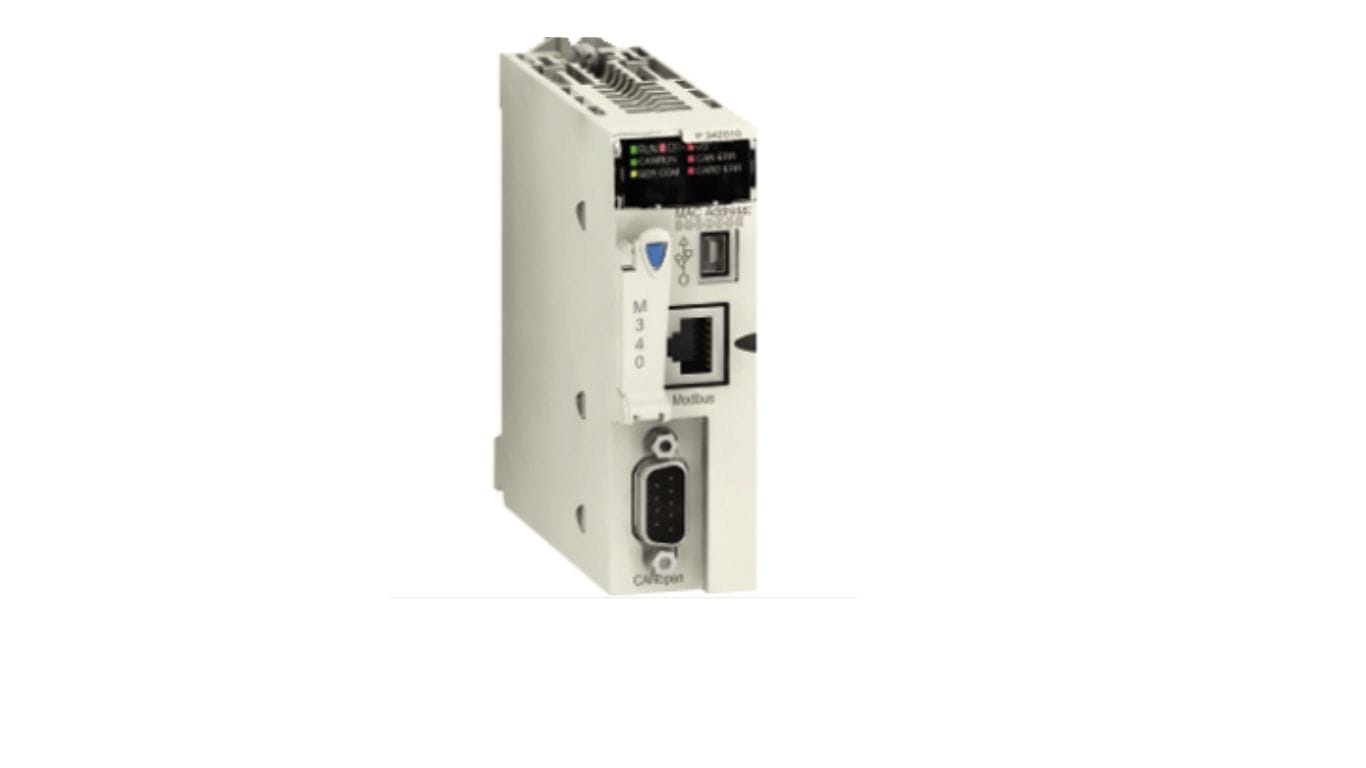
Modern manufacturing depends on intelligent automation to meet rising demands for speed, consistency, and cost-efficiency. At the center are modern controllers such as the BMXP342010 processor module for Modicon M340 that coordinate machines, analyze inputs, and execute commands in real time. These controllers act as the operational brain of production, keeping every mechanical and digital process in harmony. As productivity standards climb, controller technology has become one of the most critical investments for operational success.
How Modern Controllers Evolved
Manufacturing control has progressed from manual switches and relay logic to sophisticated programmable platforms. Early automation cut human intervention but lacked flexibility and processing power. Today’s modern controllers combine high-speed processors, intelligent software, and network connectivity to manage complex tasks with exceptional accuracy.
From Manual Operations to Intelligent Automation
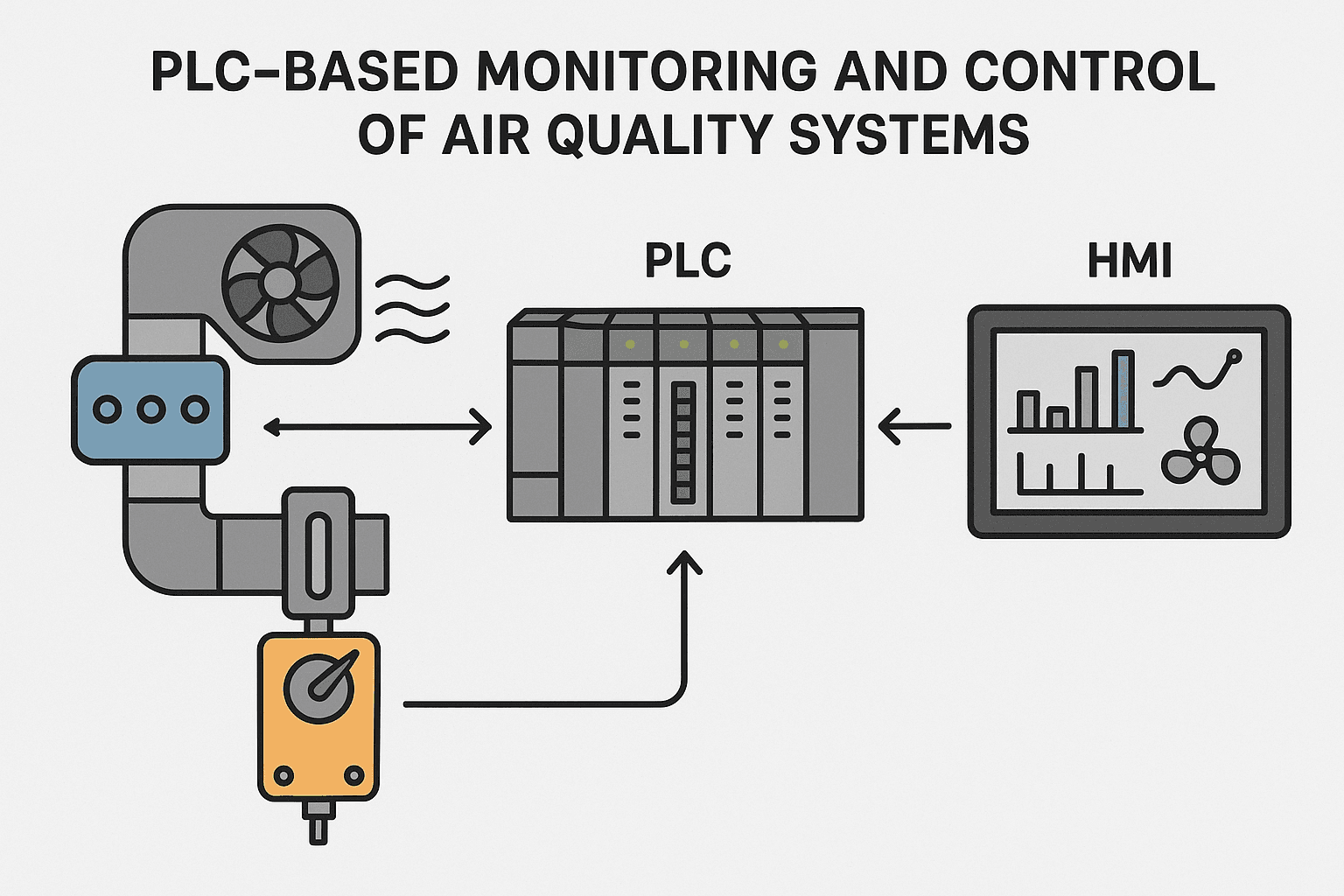
Traditional setups needed operators to monitor machines constantly, causing inconsistencies and delays. Modern controllers use programmed instructions and sensor feedback to regulate operations automatically, responding instantly to environmental changes, production variations, or equipment conditions without manual input.
Integration With Digital Infrastructure
Advanced controllers connect seamlessly with dashboards, supervisory systems, and analytics tools. This lets manufacturers track performance in real time, spot inefficiencies, and optimize processes from data-driven insight.
Speed Advantages Enabled by Modern Controllers
Speed is determined not just by machine capability but by how efficiently processes are coordinated. Controllers ensure each production stage communicates with the next, preventing delays.
1. High-Speed Data Processing
Modern controllers process large volumes of data within milliseconds, executing instructions immediately after receiving input signals so machines run at peak performance without waiting on manual confirmation.
2. Reduced Downtime and Faster Restart
Intelligent controllers continuously monitor system health and detect anomalies before they escalate. When interruptions occur, they isolate faults and restore operations quickly, minimizing losses.
Precision Improvements Through Modern Controllers
Precision defines high-quality manufacturing — even minor deviations cause defects. Controllers tightly govern temperature, pressure, timing, and positioning.
3. Closed-Loop Feedback Systems
Modern controllers use closed-loop feedback (PID control) to compare actual performance against programmed targets and correct deviations instantly, keeping production within tolerance throughout the process.
4. Consistency Across Production Runs
Controllers ensure every cycle follows identical parameters, eliminating the variability of manual handling or environmental fluctuation and protecting product standards.
Scalability and Flexibility in Manufacturing Systems
5. Easy Expansion
Scalability is one of the most valuable traits of modern controllers. As demand grows, scalable platforms let you add modules, sensors, or machine stations without replacing the whole infrastructure.
6. Reprogrammable Flexibility
Controllers can be reprogrammed for new product designs, methods, or goals, letting manufacturers respond to market changes without costly equipment replacement.
Comparison Table: Processor and Remote I/O Solutions
| Feature | Processor Module | Remote I/O Adapter | Competitor A | Competitor B |
|---|---|---|---|---|
| Primary Function | Executes control logic | Connects distributed I/O | High-performance controller | Distributed I/O interface |
| Processing Speed | High-speed real-time | Depends on network | Comparable high-speed | Moderate |
| Expandability | Multiple expansion modules | Remote rack extension | Modular | Limited |
| Communication | Industrial Ethernet & fieldbus | Network-based I/O | Multi-protocol | Standard protocols |
| Ideal Use | Central automation control | Distributed layouts | Complex systems | Medium-scale |
| Reliability | Industrial-grade | Stable remote connectivity | Industrial durability | Standard |
The processor acts as the decision-making core, while a remote adapter extends connectivity, letting equipment sit across large facilities without excessive wiring.
Role in Smart Manufacturing and Industry 4.0
Smart factories rely on interconnected machines that share information and adjust dynamically. Controllers enable this by acting as communication hubs between equipment, analytics platforms, and monitoring systems, supporting optimized scheduling, predictive maintenance, and better energy efficiency. They also record operational data that reveals patterns and improvement opportunities, helping organizations refine processes and stay competitive.
Implementation Considerations
Before integrating controllers, evaluate system requirements, production scale, and communication protocols to ensure compatibility with existing machinery and future expansion. Proper configuration and programming maximize performance and stability. Training matters too — even with automation, skilled technicians are needed to design logic, interpret data, and maintain equipment. Done right, controller-based automation sharply increases productivity while reducing risk.
Conclusion
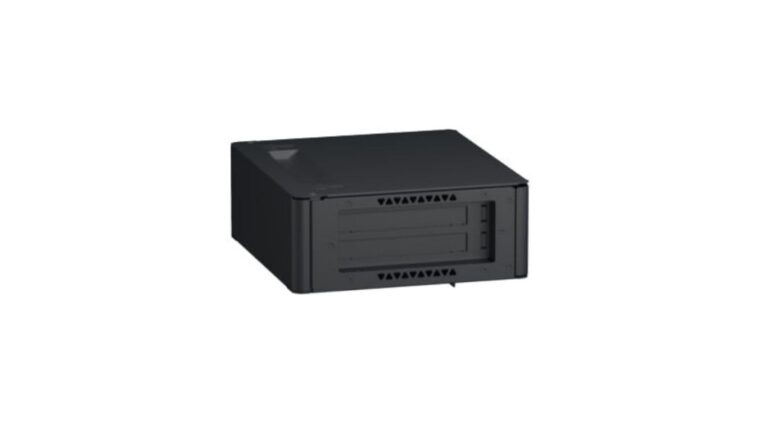
Modern controllers have revolutionized manufacturing by combining speed, accuracy, scalability, and reliability in one intelligent platform. They streamline production, reduce errors, and enable data-driven decisions. As industry moves toward interconnected, automated systems, controllers stay at the forefront. Components like the BMXP342010 processor module for M340 and the BMXPRA0100 remote I/O adaptor show how specialized hardware delivers synchronized control, distributed connectivity, and high-performance processing. Browse our Modicon controller range to upgrade your system’s speed and precision.
What do modern controllers do in manufacturing?
Modern controllers are the processing core of an automation system. They read sensor inputs, execute control logic in real time, and command machines — coordinating each production stage so the line runs fast, accurately, and consistently.
How do controllers improve manufacturing speed?
They process data within milliseconds and synchronize each stage of production, so instructions execute immediately and machines don’t wait on manual input. They also detect anomalies early and restart quickly after faults, reducing downtime.
What is closed-loop feedback in a controller?
Closed-loop feedback continuously compares actual output against the programmed target and corrects any deviation instantly. This keeps variables like temperature, pressure, and positioning within tight tolerances for consistent quality.
How are modern controllers used in Industry 4.0?
They act as communication hubs between machines, analytics platforms, and monitoring systems, sharing data and adjusting operations dynamically. This enables predictive maintenance, optimized scheduling, energy savings, and continuous data-driven improvement.