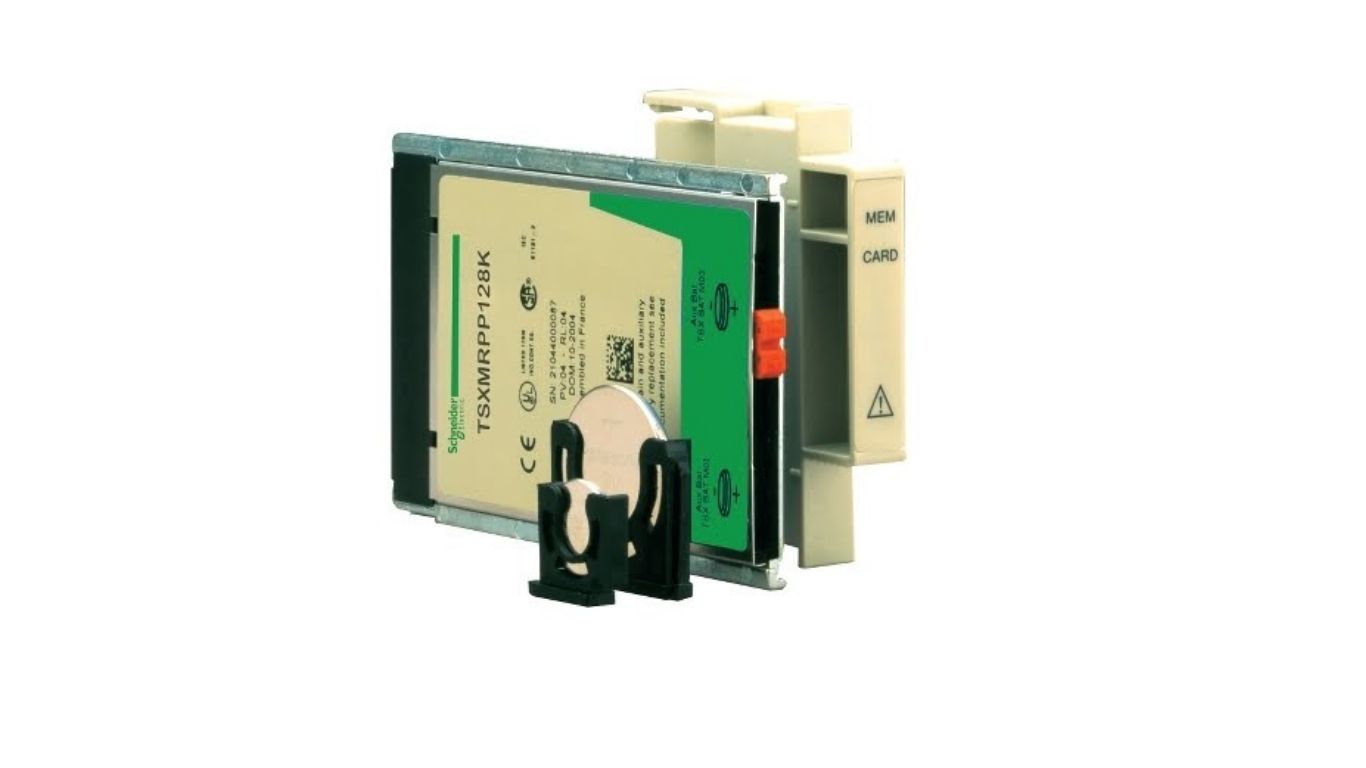
High Performance Controllers: 6 Proven Data Exchange Wins
Modern industrial environments rely on fast, accurate, reliable data exchange to maintain efficiency and stability. As systems grow more interconnected, high performance controllers become increasingly critical. They act as the central intelligence of automated operations, ensuring information flows smoothly between devices, subsystems, and decision-making layers without delay or distortion.
The Role of Communication in Automation
At the core of complex systems lies communication. Sensors, actuators, drives, and supervisory systems must constantly exchange information to stay synchronized. High performance controllers provide the processing power and communication paths to handle this continuous flow, supporting multiple protocols so they interact with diverse devices, prevent bottlenecks, and ensure critical information arrives on time.
1. High-Speed Processing
Fast processors let controllers handle multiple communication tasks at once, reducing latency so incoming and outgoing data is processed without delay. By executing communication and control in parallel, high performance controllers hold consistent performance even as system complexity increases, which supports scalability.
2. Deterministic Communication
Deterministic communication ensures data is transmitted within predictable timeframes. With consistent real-time response, high performance controllers let motion control, batch processing, and safety operations react precisely to changing conditions, reducing errors and improving process stability.
3. Dedicated Communication Modules
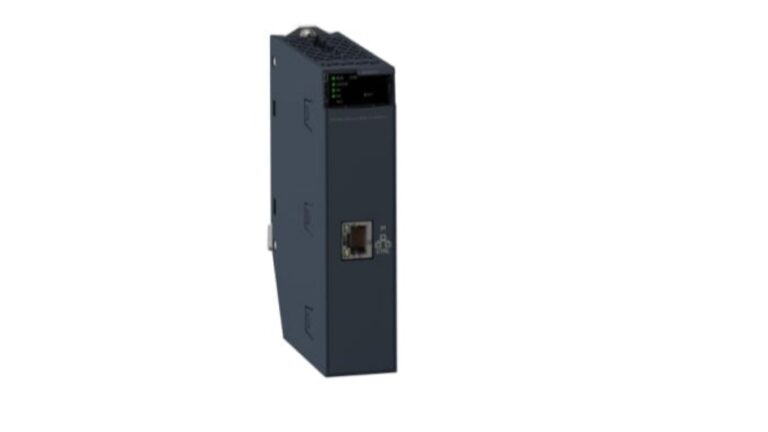
In high-density systems, thousands of data points may be generated each second. A communication-focused solution like the TSXMRPC448K Modicon Premium shows how dedicated processing reduces network load on the main controller while improving overall responsiveness, prioritizing time-sensitive information and allocating resources dynamically.
4. Built-In Diagnostics and Monitoring
High performance controllers continuously monitor network performance, data integrity, and device status. When a communication protocol issue arises, they quickly identify the source and alert operators, so early detection prevents minor issues from escalating and reduces unplanned downtime.
5. Redundancy and Fault Tolerance
Many high performance controllers support redundant communication paths or components. If one path fails, the system automatically switches to an alternative route, maintaining uninterrupted data flow — particularly valuable in mission-critical applications where continuous operation is essential.
6. Integration and Scalability
Modern controllers are compatible with a wide range of field devices and subsystems, so organizations adopt new equipment without overhauling existing infrastructure. They are designed to accommodate increasing data volumes and additional nodes without degrading performance, enabling gradual upgrades that protect long-term investment.
How High Performance Controllers Aid Decisions
With efficient data exchange, high performance controllers provide real-time visibility into system performance, so operators and control systems respond quickly to deviations. Feeding reliable data into supervisory and analytical layers also supports advanced control algorithms that improve efficiency, reduce energy consumption, and enhance product consistency.
Network Design and Security
Fast data exchange depends on a well-structured network, not just a powerful CPU. Segmenting traffic into control, supervisory, and enterprise layers keeps time-critical messages off congested links and limits the blast radius of any fault. Managed switches, quality-of-service rules, and clear addressing schemes all help deterministic traffic arrive on time. As more devices connect, basic cyber hygiene — disabling unused ports, restricting access, and keeping firmware current — protects both data integrity and uptime. A controller can only be as dependable as the network around it, so the two should be designed together from the start rather than bolted on afterwards once problems appear.
Conclusion
High performance controllers play a vital role in improving data exchange within complex systems. Through high-speed processing, deterministic communication, robust diagnostics, and scalable design, they keep information flowing reliably across all levels of automation. Solutions associated with platforms like the 140AII33000 Modicon Quantum illustrate how specialized modules support dependable data handling at scale. Browse our Quantum and Premium controllers to build a resilient system.
What are high performance controllers?
High performance controllers are the central processing units of an automation system, built to handle large data volumes with precise timing. They manage communication between sensors, drives, and supervisory systems quickly and reliably.
How do high performance controllers improve data exchange?
They use fast parallel processing, deterministic communication for predictable timing, and support for multiple protocols. This prevents bottlenecks and ensures time-critical data reaches its destination without delay or loss.
What is deterministic communication and why does it matter?
Deterministic communication guarantees data arrives within predictable timeframes. It’s essential for motion control, batch processing, and safety functions, where timing accuracy directly affects output quality and safe operation.
How do these controllers reduce downtime?
Built-in diagnostics monitor network health and flag faults early, while redundant communication paths let the system switch routes automatically if one fails — keeping data flowing and preventing minor issues from becoming major failures.